You have acne. You have a jade roller. You are wondering if the tool that promises glowing skin is secretly making your breakouts worse. Here is the honest answer from dermatologists — and it is not the simple yes or no you probably hoped for.
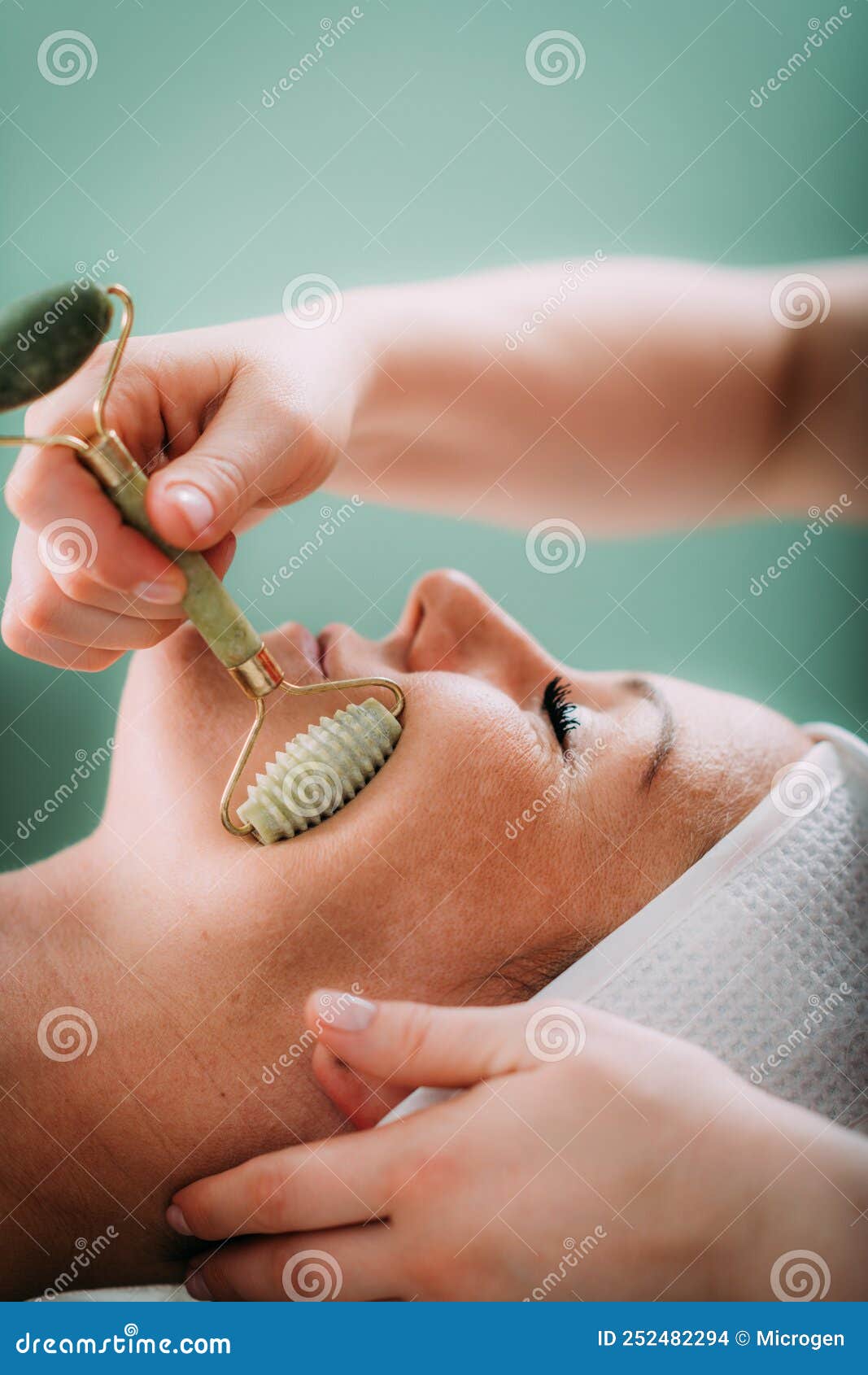
To understand whether jade rolling helps or hurts acne, you need to understand what acne actually is. Acne develops when hair follicles become clogged with oil and dead skin cells. Bacteria (C. acnes) then multiply in the clogged follicle, causing inflammation. This is why acne is most common in areas with the highest density of oil glands — forehead, nose, chin, and jawline.
Jade rolling does not directly address any of these three acne causes. It does not reduce oil production, unclog pores, or kill bacteria. What it does is improve lymphatic circulation and reduce facial puffiness — which means it can help reduce the swelling and redness around existing breakouts, and it can help prevent new breakouts that are specifically triggered by fluid congestion and poor drainage.
If your acne is driven primarily by hormones or excess oil, jade rolling will not help much. If your acne is accompanied by significant puffiness, fluid retention, or general facial congestion, jade rolling might help as a supporting routine.
This is the number one cause of jade roller-induced breakouts. A roller that has not been cleaned harbors bacteria that, when rolled across your face, gets pushed into your pores. This is especially problematic on the jawline and cheeks — areas where acne and jade rolling both concentrate. If you are breaking out and your roller has not been cleaned in the last day or two, this is almost certainly the cause.
Rolling over a pustule or cyst does not "drain" it — it ruptures the follicle wall internally and spreads the bacterial infection deeper into the skin. The result is worse inflammation, potentially scarring, and breakouts that spread to adjacent areas. If you have active inflammatory acne, skip the affected areas or skip rolling entirely until the worst of it clears.
Cheap jade rollers may be made from dyed glass, plastic, or composite materials that can leach chemicals when combined with skincare products and warmth. These chemicals can clog pores and trigger acne-like breakouts that look like acne but are actually a reaction to the material in your roller. If you bought your roller for under $10 and it looks too perfect, it is probably not real jade.
Jade rolling over heavy occlusive products (thick moisturizers, sunscreen with heavy filters, silicone-based primers) traps those products under the roller and shoves them deep into your pores. If you are using a jade roller in the morning over your daily SPF, you might be driving that SPF deep into your pores every single day — and that will cause breakouts.
More is not better. If you are spending 15-20 minutes per session or rolling more than twice a day, you are creating chronic low-grade inflammation on your face. Overworked skin responds by increasing oil production as a protective mechanism — and more oil means more breakouts.
If your breakouts are characterized by puffy, swollen skin rather than hot, inflamed cysts, you might have congestion-driven acne. In this case, improved lymphatic drainage from regular jade rolling can genuinely help reduce the frequency and severity of breakouts over time.
After a breakout clears, the skin around it often stays red and puffy for days. Jade rolling helps this post-inflammatory swelling resolve faster by improving circulation and lymphatic drainage. It does not prevent the next breakout, but it helps your skin recover more quickly after one.
Stress causes fluid retention and increased cortisol, which can show up as facial puffiness and worsening acne. Jade rolling addresses the stress-related fluid retention component, which can indirectly improve the appearance of stress-related breakouts.
| Action | Recommendation |
|---|---|
| Cleaning frequency | Before AND after every use |
| Rolling over active acne | Never — skip affected areas entirely |
| Session length | Maximum 5 minutes, 1-2 times per day |
| Pressure | Lightest possible — let the roller glide |
| Products underneath | Light serums only — no heavy occlusives |
| Roller material | Only high-quality nephrite jade from reputable source |
| Signs to stop | Any new breakouts appearing within 24-48 hours of rolling |
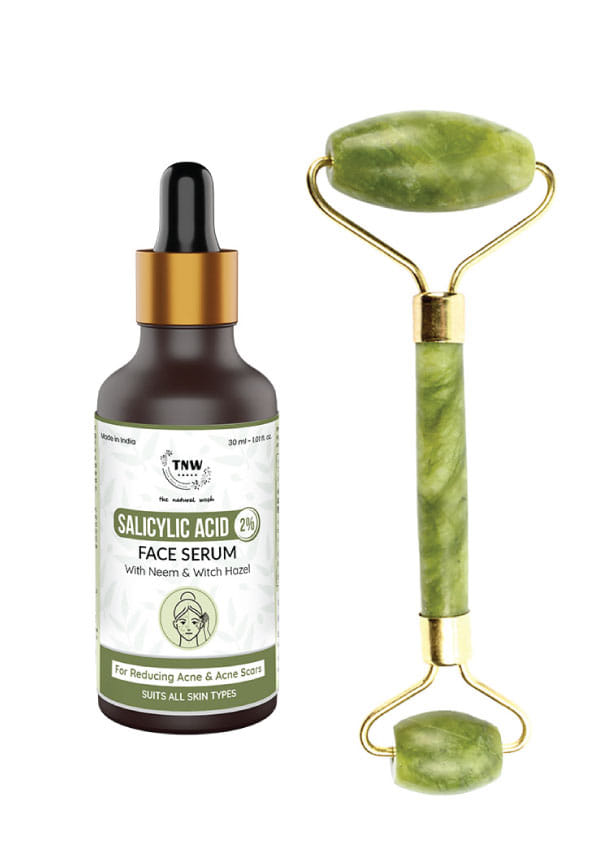
If you have mild to moderate comedonal acne (blackheads, whiteheads, small non-inflamed bumps) and no active inflammatory cysts, jade rolling can be a helpful addition to your routine — as long as you clean your roller properly and do not roll over active lesions.
If you have moderate to severe inflammatory acne (cysts, pustules, nodules), skip jade rolling until you have the underlying acne under control with a proper medical routine. Your dermatologist can help you build an acne treatment plan that addresses the root causes before you add supportive tools like jade rolling.