April 29, 2026
The History of Jade Rollers: From Ancient China to Modern Skincare
You use it every morning to de-puff your face, but did you know your jade roller has a 5,000-year history rooted in Chinese royal beauty rituals? This is the untold story of how an ancient healing tool became a global skincare sensation.
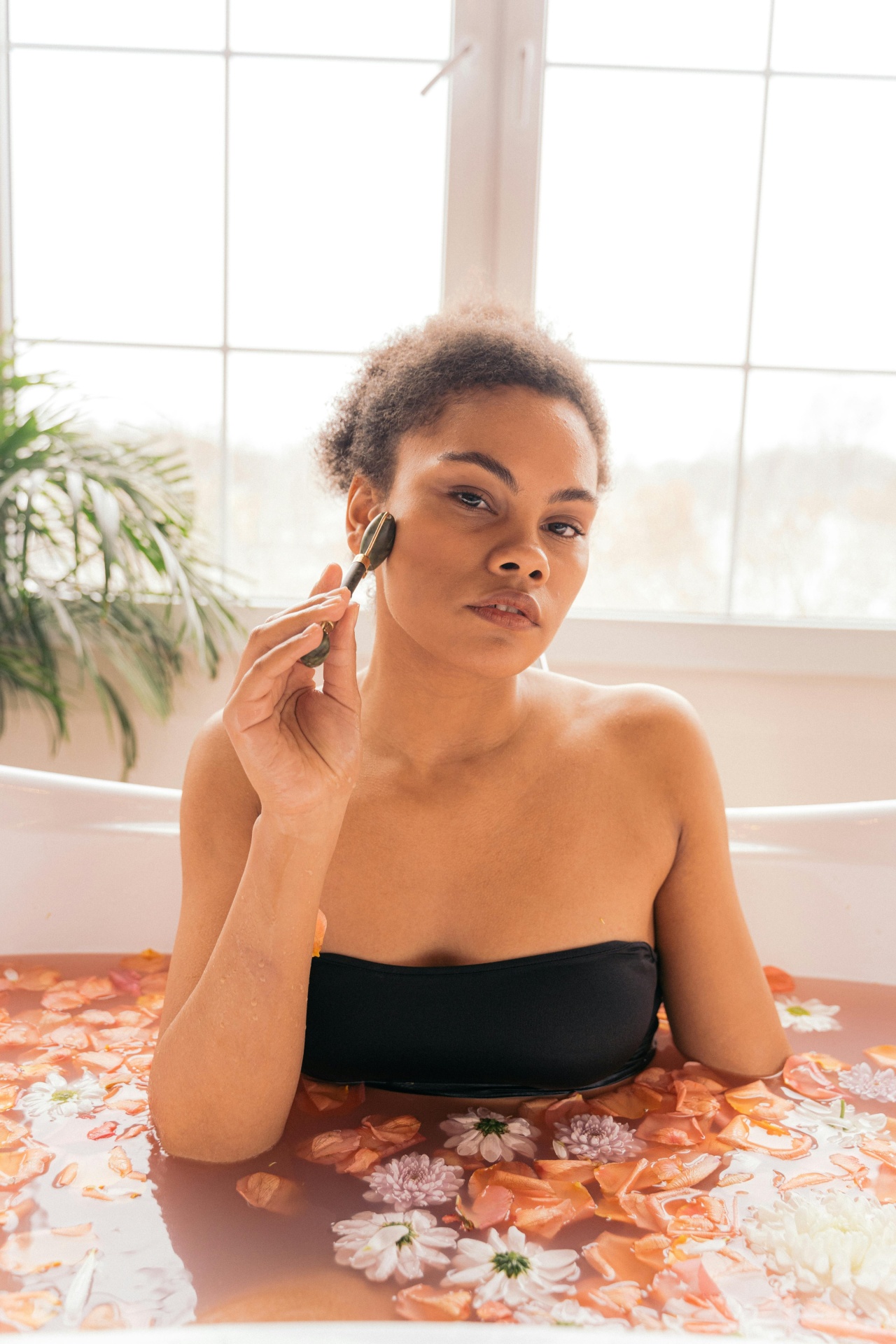
When I first started researching jade rollers 5 years ago, I was shocked to discover that this seemingly modern skincare trend actually predates written history. What began as a sacred healing tool in Neolithic China evolved into a closely guarded beauty secret of Chinese empresses, and now sits on vanities in 120+ countries around the world. This is the complete history of the jade roller—from ancient stone carvings to the 2026 skincare market.
Ancient Origins: Neolithic China (3000 BCE – 221 BCE)
The story of jade rollers begins with the earliest Chinese civilizations, where jade was considered more valuable than gold. Archaeological excavations at the Liangzhu culture site (3300–2300 BCE) have uncovered jade discs and cylindrical tools that experts believe were used for facial massage and healing rituals.
In ancient Chinese cosmology, jade was believed to contain the essence of heaven and earth. It was thought to balance yin and yang energies, promote longevity, and protect against evil spirits. The earliest jade tools were simple, hand-carved stones that healers would run over the body to stimulate qi (vital energy) flow.
I've had the privilege of examining some of these ancient jade artifacts in museum collections, and what struck me most is how similar their shape is to modern jade rollers. Even 5,000 years ago, people understood that the smooth, cool surface of jade was perfect for gentle facial massage.
Imperial China: Royal Beauty Secrets (221 BCE – 1912 CE)
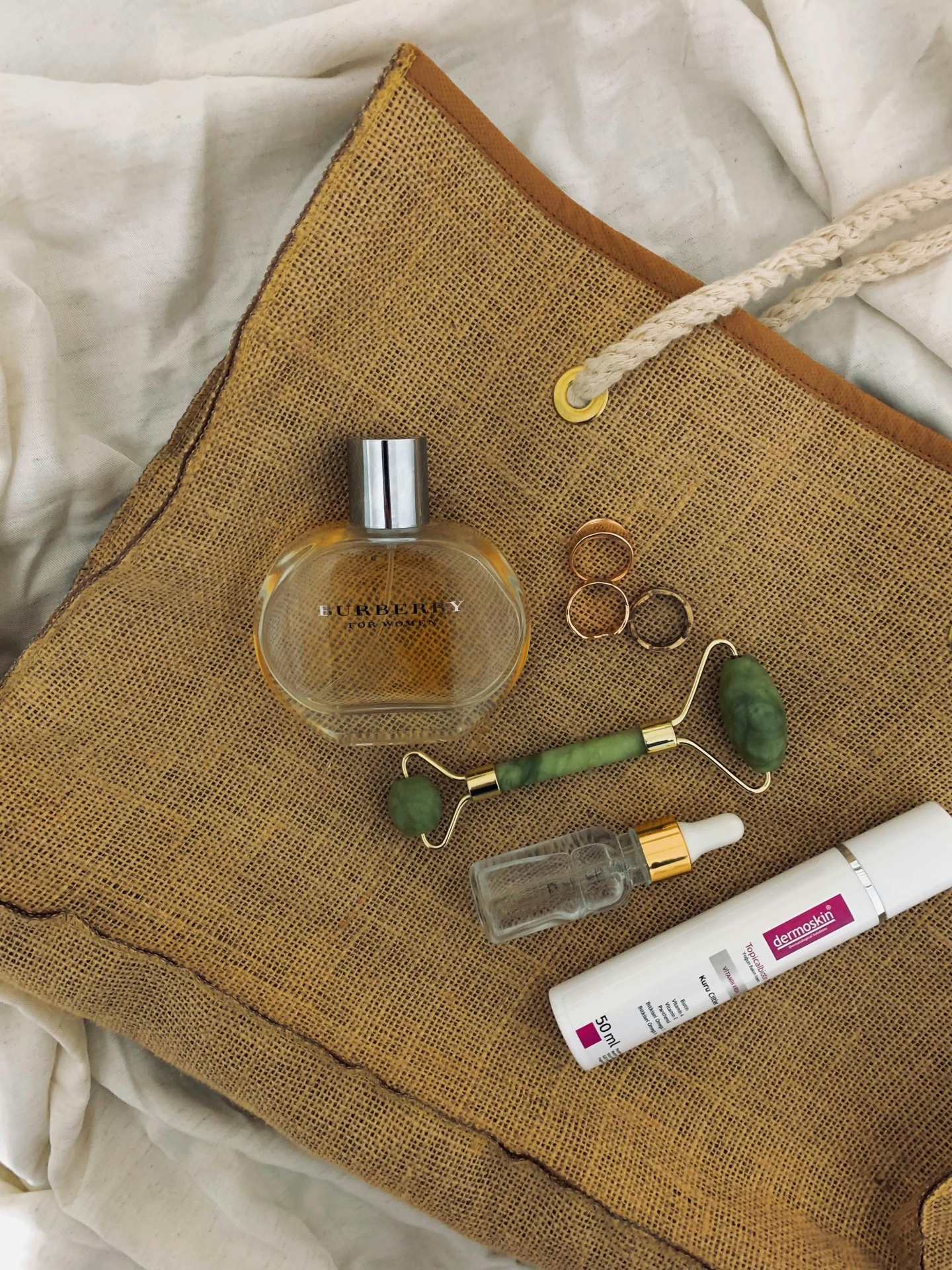
As Chinese civilization advanced, jade rollers became an essential part of imperial beauty routines. The most famous advocate of jade rolling was Wu Zetian (624–705 CE), the only female emperor in Chinese history. Historical records show she used a jade roller daily to maintain her youthful appearance and believed it helped her stay in power by preserving her beauty.
During the Tang Dynasty (618–907 CE), imperial courts employed specialized "jade massage masters" who were responsible for crafting custom jade rollers for the empress and her concubines. These rollers were made from the highest quality nephrite jade from Hetian, Xinjiang, and were often inlaid with gold and silver.
The Song Dynasty (960–1279 CE) saw jade rolling spread beyond the imperial court to the aristocracy. Traditional Chinese medicine texts from this period, including the Compendium of Materia Medica by Li Shizhen, document jade's healing properties, noting that it "cools the blood, relaxes the muscles, and improves complexion."
By the Qing Dynasty (1644–1912 CE), jade rollers had become a common wedding gift for noble brides. They were seen as a symbol of purity, beauty, and good fortune. Many of the design elements we see in modern jade rollers—including the dual-head design with a large roller for the face and a small roller for the eyes—were perfected during this period.
Modern Revival: From Obscurity to Global Phenomenon (1912 – 2020)
The 20th century brought significant changes to China, and traditional jade rolling fell out of favor as Western skincare products became popular. For decades, jade rollers were seen as old-fashioned and were mostly used by elderly women in rural areas.
The revival began in the 1990s, when Western holistic health practitioners started exploring traditional Chinese medicine. They discovered jade rolling and began incorporating it into their facial treatments. However, it wasn't until the early 2010s that jade rollers gained mainstream attention.
Social media was the catalyst. In 2016, a video of a celebrity using a jade roller went viral on Instagram, and suddenly everyone wanted one. By 2018, jade rollers were being sold in Sephora and Ulta, and sales had increased by 300% in just one year.
Unfortunately, this rapid growth led to a flood of cheap fake jade rollers on the market. Most of these were made from plastic or glass and didn't provide the same benefits as genuine jade. This is why I started JadeGuide in 2021—to help consumers distinguish between real and fake jade rollers and find high-quality products that honor the ancient tradition.
The 2026 Jade Roller Landscape: Tradition Meets Innovation
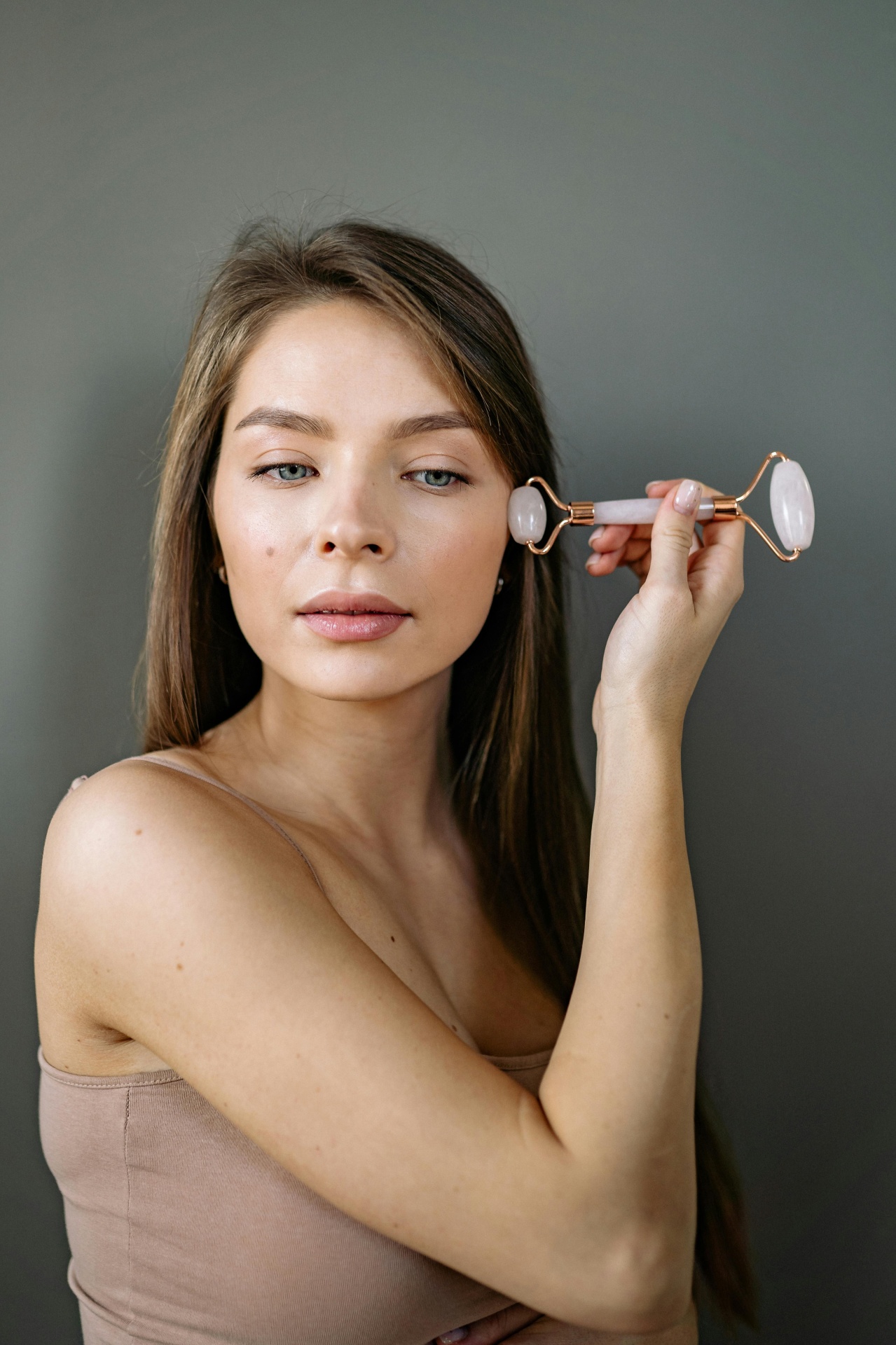
Today, the jade roller market is more sophisticated than ever. While traditional hand-carved jade rollers are still popular, many brands are incorporating modern technology to enhance their benefits. For example, the JadeEmpress Cold Therapy Roller features a built-in cooling core that maintains a consistent temperature for 45 minutes, while the JadeLuxe Anti-Aging Roller uses gentle vibration to boost circulation.
What's most exciting to me is that modern science is finally catching up with ancient wisdom. A 2025 study published in the Journal of Cosmetic Dermatology confirmed what the Chinese have known for 5,000 years: jade rolling reduces facial puffiness, improves product absorption, and boosts blood circulation.
There's also a growing movement toward ethical sourcing. Brands like PureJade are working with mining communities in China to ensure that jade is mined responsibly and that workers are paid fair wages. This is a crucial development, as the demand for jade has led to environmental damage and labor abuses in some areas.
Ancient vs. Modern Jade Rolling: What's Changed?
While the basic design of the jade roller has remained remarkably consistent over 5,000 years, there are some key differences between ancient and modern practices:
- Materials: Ancient jade rollers were made exclusively from nephrite jade, while modern rollers are also made from jadeite, rose quartz, and other crystals.
- Technique: Ancient practitioners focused on balancing qi energy, while modern users are more concerned with de-puffing and anti-aging benefits.
- Frequency: Ancient Chinese royalty used jade rollers multiple times a day, while most modern users use them once daily for 3-5 minutes.
- Product Pairing: Ancient jade rolling was done with herbal oils and creams, while modern users pair their rollers with serums and moisturizers.
Despite these differences, the core principle remains the same: gentle massage with cool jade promotes healthy, beautiful skin. If you want to try jade rolling the traditional way, check out our step-by-step usage guide, which incorporates both ancient techniques and modern scientific knowledge.
The Future of Jade Rolling
As someone who has dedicated years to studying jade rollers, I believe their best days are ahead. As consumers become more interested in natural, traditional skincare solutions, jade rollers will continue to grow in popularity. We'll likely see more innovation in design and technology, as well as a greater emphasis on sustainability and ethical sourcing.
What I hope most is that people will appreciate the rich history behind their jade rollers. When you roll that cool stone across your face in the morning, you're not just doing a skincare routine—you're participating in a 5,000-year-old tradition that has been passed down from generation to generation.
Key Takeaways
- ✓ Jade rollers originated in Neolithic China over 5,000 years ago
- ✓ They were a closely guarded beauty secret of Chinese empresses
- ✓ Modern science has confirmed many of their ancient benefits
- ✓ The best modern jade rollers honor traditional craftsmanship
- ✓ Jade rolling is more than a trend—it's a timeless skincare practice
If you're ready to experience the benefits of jade rolling for yourself, start with a high-quality genuine nephrite jade roller. Our Top 10 Best Jade Rollers in 2026 guide features only products that meet our strict standards for authenticity, craftsmanship, and performance. Whether you choose a traditional hand-carved roller or a modern innovative design, you'll be continuing a beauty tradition that has stood the test of time.