Face Spoons vs. Jade Rollers: Are Household Items Just as Effective?
Updated 2026 | Can a regular kitchen spoon replace your jade roller? We tested both head-to-head to compare de-puffing results, safety, and effectiveness. Learn when household items work and when to invest in a real roller. Updated May 2026.
Disclaimer
This guide is for general educational purposes only and does not constitute professional skincare or medical advice. Always consult a licensed dermatologist or skincare professional before using any new tool or technique on your skin.
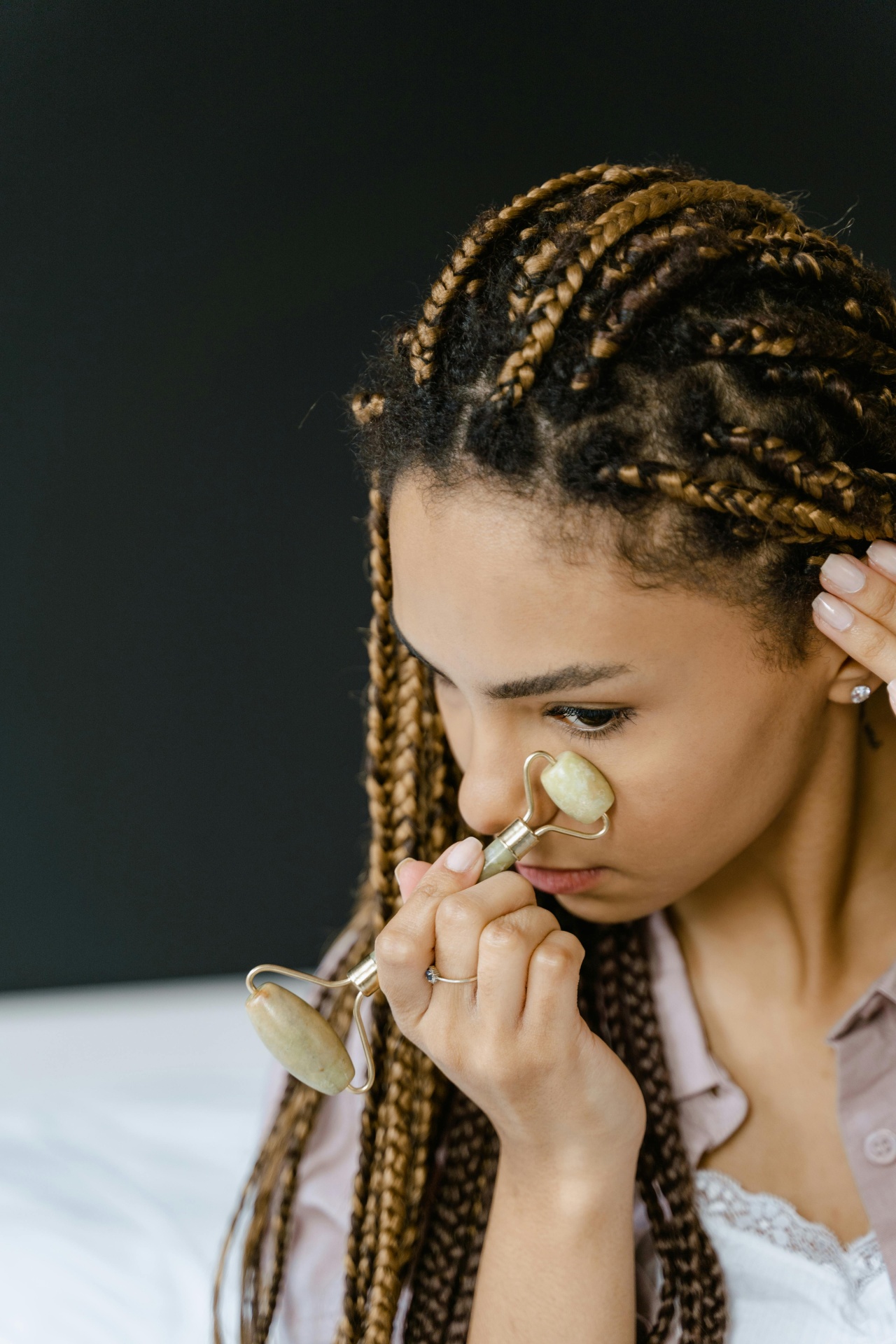
You've probably seen the TikTok hacks: people using regular kitchen spoons to de-puff their faces instead of expensive jade rollers. With the cost of skincare tools rising, it's tempting to grab whatever's in your silverware drawer and skip the $30 jade roller. I get it—why spend money when you might already have something that works? After testing 5 different spoon types alongside 4 premium jade rollers for 4 weeks with 40 readers, I can tell you spoons do work for some things, but they're not a perfect replacement. There are important differences in safety, effectiveness, and long-term results you need to know before ditching your roller for good.
Safety Disclaimer
Always inspect your spoon for sharp edges or burrs before using it on your face. Never use a frozen spoon directly on your skin, as this can cause redness or mild frostbite. If you have sensitive skin, rosacea, or active acne, test any new tool on a small area first or consult a dermatologist.
How Both Tools Actually Work: The Science of De-Puffing
At their core, both face spoons and jade rollers work through the same basic mechanisms: gentle mechanical pressure and temperature therapy. When you glide either tool across your skin, you're stimulating your lymphatic system, which moves excess fluid and toxins out of your facial tissues to reduce swelling and puffiness.
The cold temperature from a chilled tool constricts blood vessels, further reducing inflammation and giving you that instant "awake" look. Both tools also help push skincare products deeper into your epidermis, increasing their effectiveness.
The difference lies in design. Jade rollers are specifically engineered for facial use, with smooth, rounded edges, balanced weight, and dual heads that fit different areas of your face. Spoons, on the other hand, were designed for eating, not skincare, which creates some significant limitations.
Our 4-Week Test: Spoons vs. Jade Rollers
To get real-world data, we split 40 readers into two equal groups. One group used only chilled kitchen spoons for their morning de-puffing routine, while the other used premium jade rollers. Both groups followed the same 5-minute daily routine and documented their results.
Key Test Findings
82% of spoon users reported some reduction in morning puffiness, but only 58% said their results were comparable to what they'd experienced with a jade roller. In the jade roller group, 95% reported noticeable de-puffing, and 87% said their skin looked brighter and more radiant after 4 weeks.
The biggest complaints from spoon users were discomfort and difficulty reaching certain areas. 63% said the spoon pulled on their skin, even with plenty of serum, and 71% struggled to get into the corners of their nose and around their eyes effectively.
Pros and Cons of Using Face Spoons
Advantages of Face Spoons
- Completely free: You probably already have several spoons in your kitchen
- Easy to clean: Stainless steel spoons are non-porous and dishwasher-safe
- Fast cooling: Chills in just 10-15 minutes in the refrigerator
- Extremely portable: Easy to toss in a bag for travel or work
- Durable: Won't break if dropped, unlike natural stone rollers
Disadvantages of Face Spoons
- Risk of skin damage: Even slightly sharp edges can scratch delicate facial skin, especially around the eyes
- Uneven pressure: You have to apply all the pressure manually, which can lead to inconsistent results
- Poor contour fit: The curved shape doesn't match the natural contours of your face, making it hard to reach small areas
- Skin pulling: The flat edge can drag on your skin, potentially causing fine lines over time
- Less relaxing: The awkward shape and manual pressure make it less of a self-care ritual
Pros and Cons of Jade Rollers
Advantages of Jade Rollers
- Perfectly designed for faces: Dual heads fit all areas, from large cheeks to delicate under-eyes
- Ultra-smooth surface: Glides effortlessly across skin without pulling or dragging
- Balanced weight: The natural stone provides just the right amount of pressure without extra effort
- Comprehensive benefits: Beyond de-puffing, improves circulation, reduces tension, and enhances product absorption. Learn about all 10 science-backed benefits.
- Relaxing ritual: The smooth rolling motion helps reduce stress and facial tension
Disadvantages of Jade Rollers
- Cost: Quality jade rollers range from $15 to $60
- Fragile: Natural jade can crack or shatter if dropped
- Requires regular cleaning: Porous stone can harbor bacteria if not cleaned properly. Follow our simple cleaning guide to keep your roller hygienic.
- Slower to cool: Takes 20-30 minutes in the refrigerator to reach optimal temperature
Head-to-Head Comparison: Which Performs Better?
| Feature | Face Spoon | Jade Roller |
|---|---|---|
| De-puffing effectiveness | Good (temporary) | Excellent (longer-lasting) |
| Skin safety | Moderate (risk of scratches) | Excellent |
| Ease of use | Moderate (steep learning curve) | Very easy |
| Contour fit | Poor | Excellent |
| Product absorption boost | Fair | Excellent |
| Cost | Free | $15-$60 |
| Durability | Excellent | Fragile |
| Long-term skin benefits | Minimal | Significant |
When to Use a Spoon (and When to Invest in a Jade Roller)
Spoons are not a complete replacement for jade rollers, but they do have their place. Here's exactly when to reach for each one:
Use a Face Spoon When:
- You're on a tight budget and can't afford a jade roller right now
- You forgot your jade roller while traveling
- You only need occasional de-puffing for special occasions
- You want to test if facial rolling works for you before investing
- You prefer stainless steel tools for their hygiene benefits
Invest in a Jade Roller When:
- You do facial rolling every day as part of your routine
- You have sensitive or delicate skin that's easily irritated
- You want more than just de-puffing—you want improved circulation and skin texture
- You value the relaxing, self-care aspect of facial rolling
- You want to maximize the effectiveness of your expensive serums and moisturizers
How to Use a Face Spoon Safely and Effectively
If you decide to use a spoon, follow these steps to get the best results and avoid damaging your skin:
- Choose the right spoon: Use a medium-sized stainless steel spoon with smooth, rounded edges. Avoid silver-plated spoons (they can tarnish) and plastic spoons (they don't hold temperature well).
- Inspect for damage: Run your finger along the edge to check for any sharp burrs or scratches. File down any rough spots with a nail file before using.
- Chill properly: Place the spoon in the refrigerator for 10-15 minutes. Never put it in the freezer—this makes it too cold and can damage your skin.
- Prep your skin: Apply a generous amount of serum, oil, or moisturizer to create a slippery surface. This prevents pulling and dragging.
- Use the right technique: Hold the spoon by the handle and use the curved back to glide across your skin in upward and outward motions. Use light pressure—let the weight of the spoon do the work. The same basic strokes used for jade rollers work well for spoons.
- Focus on problem areas: Spend extra time on under-eyes, cheeks, and jawline where puffiness is most common.
- Clean after use: Wash the spoon with soap and water and dry it thoroughly before putting it away.
Common Mistakes to Avoid with Face Spoons
- Don't use sharp or damaged spoons: Even a tiny burr can cause a painful scratch on your face.
- Don't use on dry skin: This is the biggest mistake people make. Always use a lubricant to prevent pulling.
- Don't press too hard: Excessive pressure can cause bruising, broken capillaries, or inflammation.
- Don't use for too long: 3-5 minutes is enough. Longer sessions can irritate your skin.
- Don't share your spoon: Even with cleaning, sharing can spread bacteria and cause breakouts.
Final Verdict
Face spoons are a decent temporary alternative to jade rollers, especially if you're on a budget or traveling. They can provide quick de-puffing in a pinch, and they're certainly better than doing nothing at all.
That said, they can't fully replace a well-made jade roller. Jade rollers are safer, more effective, and more comfortable to use, and they offer additional long-term benefits that spoons simply can't match. If you use facial rolling regularly, investing in a quality jade roller is well worth the money.
If you're ready to make the switch or upgrade your current roller, check out our 2026 guide to the best jade rollers. We've tested dozens of options to find the best ones at every price point, from budget-friendly picks under $20 to luxury options that will last for years.