Gua Sha vs Jade Roller: Which Ancient Tool Is Right for You?
Discover the key differences between these two popular facial massage tools and find the perfect fit for your skincare routine.
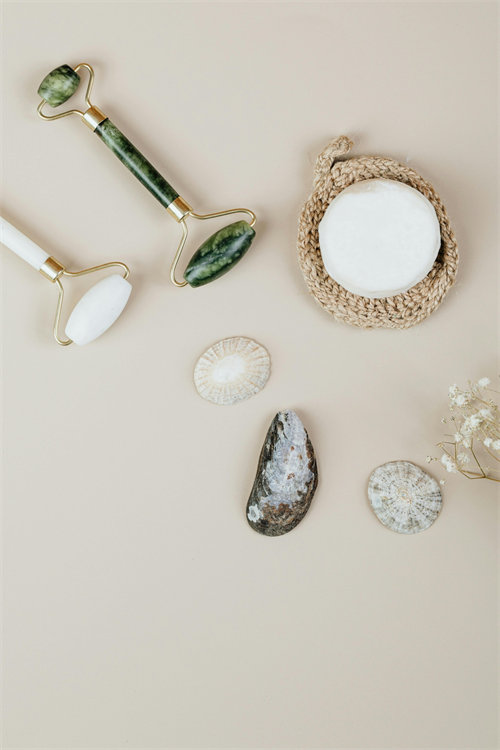
If you've been exploring natural skincare tools, you've likely encountered both the gua sha and jade roller. These ancient Chinese beauty tools have gained tremendous popularity in recent years, but understanding which one suits your needs can be confusing. This comprehensive guide breaks down everything you need to know about these two transformative tools.
What Is Gua Sha?
Gua Sha is a traditional Chinese healing technique that involves scraping the skin with a smooth-edged tool to improve circulation and promote healing. In skincare, gua sha tools are typically made from jade, rose quartz, or other semi-precious stones and feature a curved, scoop-like shape designed to follow the contours of your face.
The technique involves gentle scraping motions that can help release tension in facial muscles, reduce puffiness, and improve blood flow to the skin's surface.
What Is a Jade Roller?
A jade roller is a handheld facial massage tool featuring a smooth jade stone attached to a ergonomic handle. The larger end is designed for cheeks, forehead, and neck, while the smaller end works perfectly around the delicate eye area.
Jade rollers are prized for their cooling effect on the skin, which can help reduce morning puffiness and provide a soothing, spa-like experience during your daily skincare routine.
Gua Sha vs Jade Roller: Detailed Comparison
| Feature | Gua Sha | Jade Roller |
|---|---|---|
| Shape | Curved, scoop-like design | Cylindrical roller on handle |
| Primary Benefit | Deep tissue massage, lymphatic drainage | Cooling effect, reduces puffiness |
| Technique | Scraping strokes upward and outward | Gentle rolling motions |
| Best For | Tension release, jaw tension, contouring | Morning routine, eye area, daily use |
| Stone Options | Jade, Rose Quartz, Bian Stone | Jade, Rose Quartz, White Jade |
| Learning Curve | Moderate - requires direction learning | Easy - intuitive rolling motion |
| Usage Time | 5-10 minutes per session | 3-5 minutes per session |
Key Differences Between Gua Sha and Jade Roller
Movement Pattern
Gua sha uses longer scraping strokes that follow specific meridian lines on your face, while jade roller uses gentle rolling motions in an upward and outward direction.
Pressure Application
Gua sha typically involves more firm pressure to reach deeper tissues, whereas jade roller uses light to moderate pressure suitable for daily maintenance.
Lymphatic Drainage
Gua sha is particularly effective for lymphatic drainage, helping to reduce fluid retention and detoxify the skin. Jade roller provides a gentler draining effect.
Cooling Effect
Jade roller excels at providing a cooling sensation that helps depuff the skin, especially when stored in the refrigerator. Gua sha doesn't typically provide the same cooling effect.
Which Tool Should You Choose?
Choosing between gua sha and a jade roller depends on your specific skincare goals:
- Choose Gua Sha if: You struggle with jaw tension, want to define your facial contours, need intensive lymphatic drainage, or prefer a more targeted massage experience.
- Choose Jade Roller if: You're new to facial tools, want a quick daily depuffing ritual, need something gentle for the eye area, or prefer a low-maintenance skincare addition.
- Use Both: Many skincare enthusiasts use both tools in their routine - jade roller in the morning for depuffing, and gua sha in the evening for deeper massage.
Continue Learning
Frequently Asked Questions
Can I use gua sha and jade roller together?
Yes, many people incorporate both tools into their skincare routine. Use the jade roller in the morning for a quick depuffing session and gua sha in the evening for a more intensive massage. Just be sure to clean your tools between uses.
Which is better for acne-prone skin?
Both tools can be beneficial for acne-prone skin when kept clean. Jade roller may be gentler for daily use, while gua sha provides deeper massage that can help with muscle tension. Always clean your tools thoroughly and avoid using them on active breakouts.
How often should I use these tools?
For jade roller, daily use is safe and recommended, preferably in your morning routine. For gua sha, 2-3 times per week is typically sufficient to see benefits without overstimulating the skin.
Do I need serum or oil with these tools?
Yes, using a serum or facial oil is essential for both tools to glide smoothly across the skin. This not only protects your skin from friction but also helps the active ingredients penetrate more effectively.
Can gua sha replace jade roller entirely?
While gua sha offers more intensive massage capabilities, it doesn't replace the unique cooling and depuffing benefits of a jade roller. Many skincare experts recommend having both tools and using them for different purposes in your routine.
Final Verdict
Both gua sha and jade roller offer unique benefits for your skincare routine. The difference between gua sha and jade roller lies primarily in their design, technique, and intensity of application. Gua sha provides deeper tissue work and is excellent for contouring and tension release, while jade roller offers a gentler, daily-friendly experience with excellent depuffing benefits.
Consider your skincare goals, time available, and experience level when choosing. Many find that incorporating both tools provides the most comprehensive benefits for their skin.