Jade Roller vs Beauty Roller: What's the Difference
A jade roller and a beauty roller look similar in product photos, but they're different tools with different use cases. The material is the main difference, but the cold retention, the weight, and the longevity are also part of the comparison. The rule that determines which one to buy is the simplest one in this guide.
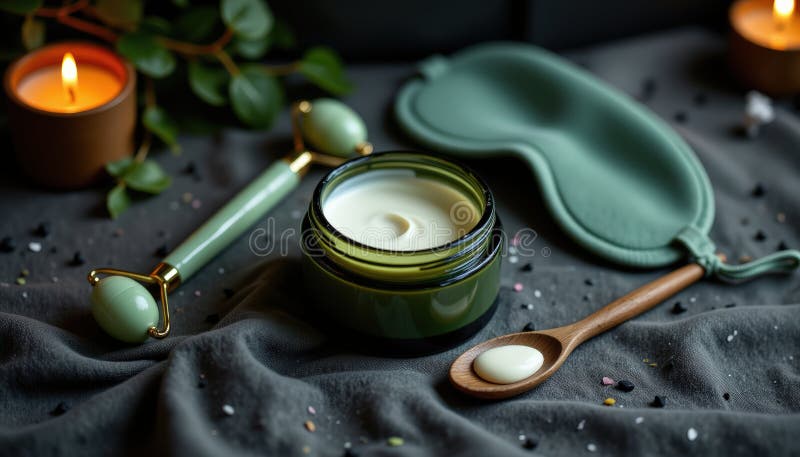
What "beauty roller" actually means
The term "beauty roller" is a generic category that includes any facial roller that isn't specifically labeled as jade. In practice, beauty rollers are made from:
- Rose quartz — pink stone, similar properties to jade but slightly heavier
- Amethyst — purple stone, harder than jade but more expensive
- Stainless steel — metal, not stone; holds cold better than any stone
- Other semi-precious stones — aventurine, sodalite, tiger's eye, etc.
The "vs" framing in product marketing is misleading; the comparison should be material-by-material, not jade-as-a-category vs everything-else-as-a-category.
How the materials differ
| Material | Cold retention | Weight | Durability | Cost |
|---|---|---|---|---|
| Jade (nephrite) | ~60 seconds cold | ~40g (standard) | 5+ years with care | $15–$25 |
| Rose quartz | ~60 seconds cold | ~50g (slightly heavier) | 5+ years with care | $20–$30 |
| Amethyst | ~60 seconds cold | ~55g (heavier) | 5+ years with care | $25–$40 |
| Aventurine | ~50 seconds cold | ~45g | 5+ years with care | $10–$20 |
| Stainless steel | ~3–4 minutes cold | ~80–100g (heavier) | Effectively unlimited | $20–$30 |
The cold retention column is the most important for the depuff effect. The weight column matters for the pressure threshold (heavier stones mean less added pressure needed). The durability column matters for long-term use.
Why "jade" became the default
Jade became the default facial roller material for historical reasons. Traditional Chinese medicine has used jade for facial tools for centuries, and the cultural association has carried over to the modern skincare market. The roller works the same regardless of the stone's mineral identity, but "jade roller" became the brand-name category.
This is why "jade roller vs beauty roller" is a misleading framing: the comparison should be jade vs rose quartz, or jade vs stainless steel, not jade-as-a-category vs everything-else-as-a-category. The "jade" name is mostly historical; the rolling effect is the same across materials.
What the rolling effect depends on
The rolling effect — the depuff, the fluid shift, the tactile comfort — depends on three things, none of which are the stone's mineral identity:
- Motion. Outward, with light pressure. Same for all stones.
- Pressure. The roller's own weight. Different stones have different weights, but the rule (roller weight only) is the same.
- Temperature. Cool or room temperature. The cold retention is where the stones differ (stainless steel holds cold best; nephrite, rose quartz, and amethyst are similar; aventurine is shortest).
The mineral identity doesn't affect any of these three variables. The choice between jade and other materials is a preference, not a clinical decision.
What stainless steel does differently
Stainless steel is the one material that changes the rolling effect meaningfully. Three reasons:
- Cold retention is much longer. A chilled steel roller stays cold for 3–4 minutes, vs 60 seconds for stone. The depuff effect is sustained for the full session.
- Weight is heavier. A steel roller is 80–100g, vs 40–55g for stone. The heavier weight means the roller presses harder with the same hand position, which is a feature for some users and a bug for others.
- Cleaning is easier. Stainless steel is dishwasher-safe and doesn't have the dye-transfer risk of some stones.
For a user who wants the strongest depuff effect and the easiest cleaning, stainless steel is the better choice. For a user who wants the traditional feel and the lighter weight, stone is the better choice.
What rose quartz does differently
Rose quartz is the most popular "beauty roller" material. Three reasons it's marketed as a beauty roller alternative:
- Pink color. Aesthetically different from jade; appeals to users who prefer the look.
- Slightly heavier weight. Rose quartz is denser than jade, which gives the roller a slightly more substantial feel in the hand.
- Cultural association. Rose quartz is associated with heart chakra in some crystal healing traditions. This is a cultural association, not a clinical effect.
The rolling effect of rose quartz is functionally identical to jade. The choice is aesthetic.
What amethyst does differently
Amethyst is harder and denser than jade or rose quartz. Three practical effects:
- More durable. Amethyst doesn't scratch as easily as softer stones, which means the polish lasts longer.
- Heavier in the hand. The roller has a more substantial feel, similar to stainless steel.
- More expensive. Amethyst is more expensive than jade or rose quartz at the wholesale level, which carries through to the retail price.
For a user who wants a long-lasting roller and is willing to pay $30–$40, amethyst is a fine choice. For a user on a budget, jade or aventurine is the better value.
Frequently asked questions
Is a jade roller better than a beauty roller?
Not necessarily. The rolling effect is the same across materials. Jade is the traditional choice, but rose quartz, amethyst, aventurine, and stainless steel are equally valid options. The choice is aesthetic and budget-based, not clinical.
Is rose quartz better than jade for sensitive skin?
No. The two stones have the same surface smoothness, the same thermal conductivity (the cold retention is similar), and the same biocompatibility. The "rose quartz for sensitive skin" claim is marketing, not clinical.
Is stainless steel safe for facial rolling?
Yes. Stainless steel is biocompatible (the same alloy used in surgical instruments), non-porous, and easy to clean. The risk profile is the same as stone; the cold retention is longer, which is a feature for some users.
What about amethyst or other semi-precious stones?
Amethyst, aventurine, sodalite, and other semi-precious stones are all valid roller materials. The rolling effect is the same; the aesthetic is different. The choice is personal preference.
Does the stone color affect the rolling effect?
No. The color is a cosmetic feature, not a functional one. A pink rose quartz roller and a green jade roller produce the same depuff effect. The color is a preference, not a clinical feature.
Who should buy which material
Buy jade if you want the traditional choice and the lightest weight. Jade is the right material for most users.
Buy rose quartz if you prefer the pink aesthetic and don't mind the slightly heavier weight. Rose quartz is functionally identical to jade.
Buy amethyst if you want the most durable stone and don't mind the higher price. Amethyst is harder than jade or rose quartz.
Buy stainless steel if you want the longest cold retention and the easiest cleaning. Steel is the best material for the depuff effect, but it's heavier than stone.
Skip all of them if you have an active skin condition, you've had a recent procedure, or you want a tool that will erase lines or shrink pores. None of these materials do that; no facial roller does.
This article is for general information only. The comparison reflects the author's testing; individual results vary. Some links in this article go to products we independently recommend.