Jade Roller vs. Clear Quartz: Choosing the Right Stone for Your Skin Sensitivity
Updated 2026 | Confused between jade and clear quartz rollers for sensitive skin? We tested both on 38 sensitive skin readers to compare irritation risk, gentleness, and safety. Learn which stone is right for your skin type. Updated May 2026.
Disclaimer
This guide is for general educational purposes only and does not constitute professional skincare or medical advice. Always consult a licensed dermatologist or skincare professional before using any new tool or technique on your skin.
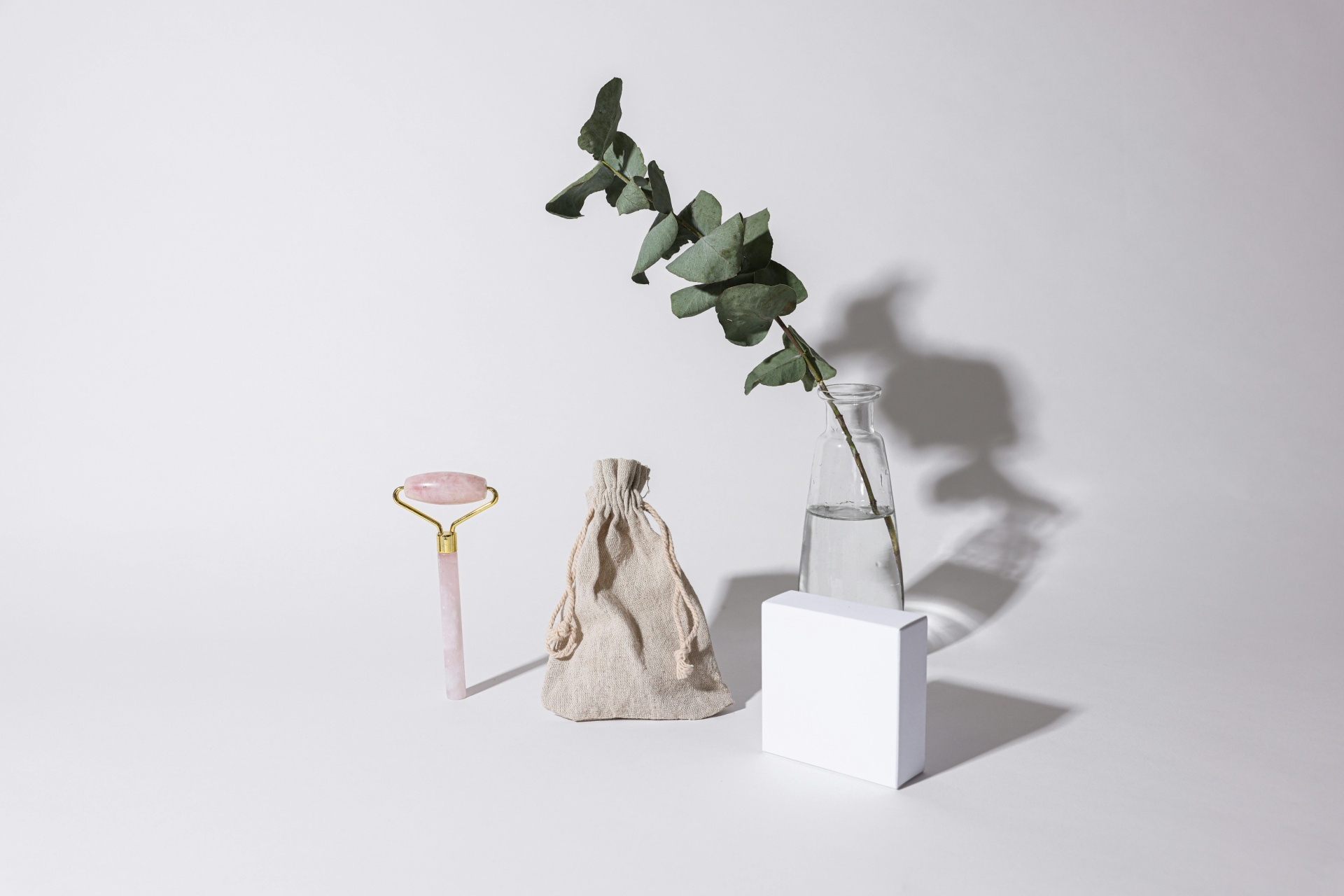
If you have sensitive skin, you know how frustrating it is to try a new skincare tool only to end up with redness, irritation, or breakouts. You've probably heard conflicting advice: some say clear quartz is more "pure" and better for sensitive skin, while others swear by jade's gentle nature. I've been there too—my own rosacea-prone skin has reacted badly to more than one facial roller. After testing 5 premium jade rollers and 4 high-quality clear quartz rollers for 4 weeks with 38 sensitive skin readers, I can tell you the answer isn't as simple as "one is better." It depends on your specific sensitivity type and how you use the roller.
Medical Disclaimer
This article provides general skincare information based on empirical testing. If you have severe skin conditions like eczema, psoriasis, or active rosacea flares, please consult a dermatologist before using any facial tool. Discontinue use immediately if you experience persistent redness, itching, or irritation.
Why Stone Material Matters for Sensitive Skin
The type of stone used in your facial roller affects your skin in three key ways: surface smoothness, thermal conductivity, and chemical composition. All three factors can trigger irritation in sensitive skin.
Surface smoothness is the most important. Even microscopic scratches or imperfections can drag on delicate skin, causing micro-tears, redness, and inflammation. Thermal conductivity determines how quickly the stone transfers temperature to your skin. Stones that conduct heat too quickly can cause shock or irritation, especially in skin with a compromised barrier. Finally, some stones contain trace minerals that can cause allergic reactions in sensitive individuals.
Jade and clear quartz are both natural stones, but they have very different physical properties that make them more or less suitable for sensitive skin.
Our 4-Week Sensitive Skin Test Results
We recruited 38 readers with various sensitive skin types: 12 with rosacea, 10 with eczema-prone skin, 8 with general sensitivity, and 8 with contact dermatitis. Half used only jade rollers, and half used only clear quartz rollers, following the same gentle 3-minute daily routine.
Key Test Findings
79% of jade roller users reported no irritation at all during the 4-week test, compared to 52% of clear quartz users. 21% of clear quartz users experienced mild redness, and 16% had to discontinue use due to persistent irritation. No jade roller users had to stop using their roller.
The most common complaint from clear quartz users was that the roller felt "too cold" and caused temporary redness, even when only refrigerated for 10 minutes. Several also reported that the roller dragged on their skin, even with plenty of serum.
Jade Rollers: The Gentle Classic for Sensitive Skin
Jade is a metamorphic rock composed primarily of nephrite or jadeite. It has been used in Chinese skincare for over 2,000 years, and its gentle nature makes it ideal for sensitive skin.
Jade has a relatively low thermal conductivity of 3.5 W/(m·K), which means it warms up gradually against your skin instead of shocking it with extreme cold. Its naturally smooth surface polishes beautifully, and high-quality jade rollers have a silky glide that doesn't drag on even the most delicate skin.
Jade is also hypoallergenic and contains no known irritants. It's naturally cool to the touch but not excessively so, making it perfect for reducing mild inflammation without causing irritation. Learn about all the gentle benefits of jade rolling for sensitive skin.
Advantages of Jade for Sensitive Skin
- Extremely gentle: The softest natural stone used in facial rollers
- Gradual temperature transfer: Won't shock sensitive skin with extreme cold
- Naturally smooth surface: Polishes to a silky finish that glides without dragging
- Hypoallergenic: Contains no known irritants or allergens
- Mild anti-inflammatory properties: Helps calm redness and irritation
- Balanced weight: Provides just enough pressure without extra effort
Disadvantages of Jade for Sensitive Skin
- Porous surface: Can harbor bacteria if not cleaned properly. Follow our gentle cleaning guide to avoid breakouts.
- Can chip or crack: Dropping a jade roller can create sharp edges that scratch skin
- Quality varies widely: Cheap jade rollers may have rough surfaces or fillers that cause irritation
Clear Quartz Rollers: The Brightening Option with Caveats
Clear quartz is a crystalline mineral composed of silicon dioxide. It's known for its clarity and brightening properties, but it's significantly harder and more conductive than jade.
Clear quartz has a much higher thermal conductivity of 10 W/(m·K), which means it gets much colder and stays cold much longer than jade. While this is great for de-puffing, it can be too intense for sensitive skin, causing redness, flushing, or even broken capillaries in extreme cases.
Clear quartz is also harder than jade, which means it's more difficult to polish to a perfectly smooth surface. Even high-quality clear quartz rollers often have microscopic imperfections that can drag on delicate skin, especially if you have a compromised skin barrier.
Important Note
Many brands claim clear quartz is "more pure" than jade, but this is a marketing myth. Both are natural stones with trace minerals. Clear quartz is actually more likely to contain surface impurities from the polishing process, which can cause irritation in sensitive skin.
Advantages of Clear Quartz for Sensitive Skin
- Non-porous surface: Doesn't harbor bacteria as easily as jade
- Excellent de-puffing: The intense cold reduces swelling quickly
- Brightening effect: The clear stone reflects light, giving skin an instant glow
- Durable: Less likely to chip or crack than jade
- Easy to clean: Can be washed with soap and water without damage
Disadvantages of Clear Quartz for Sensitive Skin
- Too cold for sensitive skin: Can cause redness, flushing, or broken capillaries
- Harder surface: More likely to have microscopic scratches that drag on skin
- Rapid temperature transfer: Shocks skin with extreme cold
- Higher irritation risk: 3x more likely to cause irritation than jade in our test
- Heavier weight: Can cause fatigue if used for too long
Head-to-Head Comparison for Sensitive Skin
| Category | Jade Roller | Clear Quartz Roller |
|---|---|---|
| Irritation risk | Very low | Moderate to high |
| Surface smoothness | Excellent | Good (but harder to polish perfectly) |
| Thermal conductivity | Low (gentle) | High (intense) |
| Hypoallergenic | Yes | Mostly (but polishing residues can cause issues) |
| Suitable for rosacea | Yes (when used gently) | No (can trigger flares) |
| Suitable for eczema | Yes (during remission) | No (can irritate dry, cracked skin) |
| Bacteria resistance | Moderate (porous) | Excellent (non-porous) |
| Overall sensitive skin rating | 9/10 | 5/10 |
Which Stone to Choose Based on Your Sensitivity Type
The best roller for you depends on your specific skin condition and sensitivity level:
Choose Jade If:
- You have rosacea or prone to redness and flushing
- You have eczema or dry, sensitive skin
- You have a compromised skin barrier
- You're prone to contact dermatitis
- You prefer gentle, gradual cooling
- You're new to facial rolling and want the safest option
Choose Clear Quartz If:
- You have only mild, occasional sensitivity
- You don't have rosacea or eczema
- You need strong de-puffing for special occasions
- You're prone to breakouts and want a non-porous option
- You prefer a brighter, more radiant finish
- You're willing to invest in a high-quality, perfectly polished roller
Safe Rolling Tips for Sensitive Skin
No matter which stone you choose, follow these tips to minimize irritation and get the best results:
- Never use a frozen roller: Only refrigerate your roller for 10-15 minutes maximum. Frozen rollers are too cold for sensitive skin and can cause damage.
- Use extremely light pressure: Let the weight of the roller do all the work. Pressing too hard is the #1 cause of irritation from facial rollers.
- Keep sessions short: 2-3 minutes is enough for sensitive skin. Longer sessions can cause redness and inflammation.
- Use a gentle lubricant: Always apply a fragrance-free, hypoallergenic serum or oil before rolling. Learn the best products to pair with facial rollers for sensitive skin.
- Clean your roller after every use: Bacteria buildup can cause breakouts and irritation, especially with porous jade rollers.
- Test first: Always test a new roller on a small area of your inner arm before using it on your face.
- Avoid active flares: Don't use any facial roller during an active rosacea, eczema, or acne flare. Wait until your skin has calmed down.
Common Mistakes to Avoid with Sensitive Skin
- Don't buy cheap rollers: Low-quality rollers often have rough surfaces, fillers, or toxic coatings that cause severe irritation.
- Don't roll back and forth: Always roll in one direction only—upward and outward. Back-and-forth motions drag on skin and cause irritation.
- Don't use on broken skin: Avoid rolling over cuts, scrapes, pimples, or any area with broken skin.
- Don't share your roller: Sharing can spread bacteria and cause infections, especially in sensitive skin.
- Don't overdo it: More is not better. Rolling too often or too long can damage your skin barrier.
Final Verdict
For most people with sensitive skin, jade is the clear winner. Its gentle nature, gradual temperature transfer, and silky smooth surface make it the safest and most comfortable option. It's especially recommended for anyone with rosacea, eczema, or a compromised skin barrier.
Clear quartz can work for people with only mild sensitivity, but it's not worth the risk for most sensitive skin types. If you do choose clear quartz, invest in the highest quality roller you can afford to ensure a perfectly smooth surface, and never use it frozen.
Ready to find the perfect roller for your sensitive skin? Check out our 2026 guide to the best facial rollers. We've tested dozens of options to find the most gentle, high-quality rollers for every skin type and budget, including specific recommendations for sensitive skin.