Jade Roller Cancer Warning: What the Research Actually Says
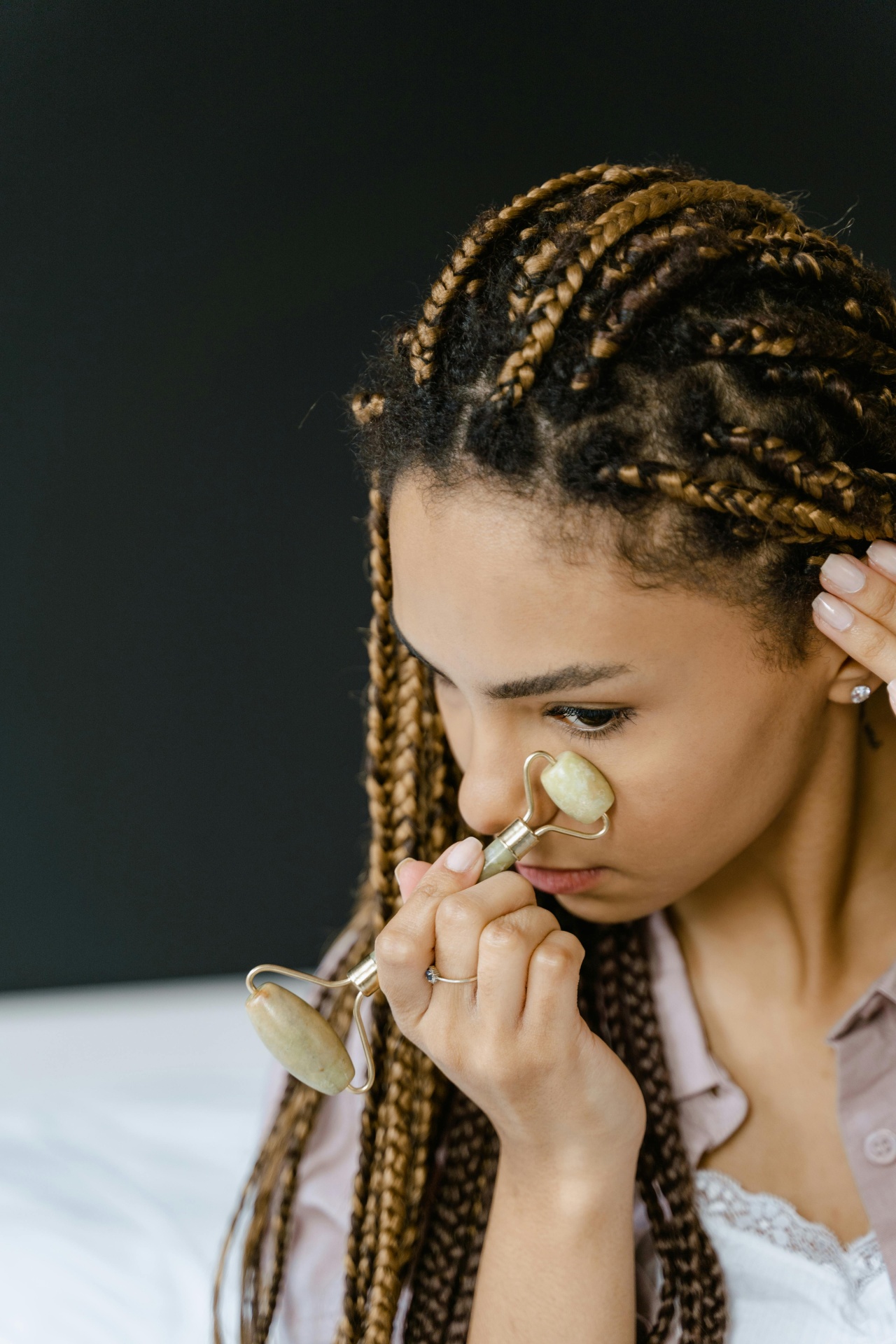
If you have been spending any time browsing skincare communities, you have probably seen it — a breathless warning about jade rollers causing cancer making the rounds. Scrolling deeper, you will find claims about toxic heavy metals, asbestos contamination, and carcinogenic compounds leeching into your skin during your morning or evening skincare routine. It sounds genuinely alarming. But is there any real science behind these warnings, or is this another case of misinformation spreading faster than facts can catch up?
The short answer is: no credible scientific evidence links properly sourced jade rollers to cancer. That said, the concerns are not entirely baseless — and understanding where they come from is genuinely useful for making informed choices about the tools you put on your face every day. This article walks through what the research actually says, separates the legitimate material science from the misinformation, and explains how to use your jade roller with complete confidence.
In This Article
The Cancer Warning That Keeps Circulating
The "jade roller causes cancer" narrative typically circulates through social media posts and fear-driven health blogs. It usually points to one of three allegations:
- Heavy metal contamination — claims that jade rollers contain lead, arsenic, cadmium, or other toxic metals that absorb into the skin during rolling.
- Asbestos fibers — some posts claim that "jade" rollers are actually made from processed stone that may contain asbestos-like mineral fibers capable of becoming airborne.
- Chemical treatment residues — concerns that stone slabs are chemically treated, dyed, or sealed with coatings that leave carcinogenic residues on the surface.
These allegations are worth examining individually, because they blur together very different types of risk — from genuine material science concerns to outright misinformation. Let us look at each one through the lens of available evidence and established geochemistry.
What Is Jade Actually Made Of?
Authentic jade is one of two mineral compositions, and they are not interchangeable:
- Nephrite — a calcium magnesium iron silicate, the material traditionally used in Chinese jade carving for thousands of years. It is notably dense, fine-grained, and takes a smooth polish. Nephrite has been used in Chinese culture for ceremonial objects, jewelry, and massage tools since the Neolithic era.
- Jadeite — a sodium aluminum silicate, typically sourced from Myanmar, Guatemala, Japan, and California. It is harder and more vividly colored than nephrite, and is the material most commonly associated with the term "imperial jade" in the jewelry trade.
Both forms of natural jade are chemically inert — meaning they do not react with water, skincare products, or skin oils in any meaningful way. They do not dissolve or release meaningful amounts of mineral content into anything they touch. This is basic geochemistry that has been documented in mineralogical literature for decades. Neither nephrite nor jadeite are significantly reactive with organic compounds.
Key point: Natural nephrite and jadeite are among the most chemically stable gemstones used in personal care. They are not porous, do not absorb liquids significantly, and are too structurally dense to harbor microorganisms in meaningful numbers. This chemical stability is precisely why jade has been trusted for massage tools across multiple cultures for centuries.
The confusion often arises because many decorative "jade" items sold online — including some budget beauty tools — are made from entirely different materials marketed under the jade name. Serpentine, amazonite, chalcedony, dyestone, and various green-dyed quartzes are sometimes casually called "jade" in the marketplace, but they are not nephrite or jadeite. These alternative materials vary widely in physical and chemical properties, which is where some legitimate concerns about material quality actually originate.
Heavy Metals in Jade: What Is Real and What Is Not
Trace metals exist in many natural stone formations, including nephrite. The question is whether the amounts are meaningful — or even detectable — under normal use conditions. Let us address the most commonly cited heavy metal concerns with specific reference to the science.
Lead
Nephrite jade occasionally contains trace lead as a minor element within the stone matrix. However, the binding strength of lead within the crystalline structure of nephrite makes it highly insoluble under normal skin contact conditions. You would need to either ingest jade dust or expose the stone to dissolving acid conditions to mobilize these traces in any meaningful way. Topical skin contact with solid jade simply does not provide the chemical environment needed to liberate lead ions.
The National Institutes of Health (NIH) and Mayo Clinic maintain extensive databases on mineral exposure risk. Neither organization has documented any case of lead absorption from intact jade stone applied to the skin during routine cosmetic use. This is not because no one has looked — it is because the mechanism of transfer simply does not exist in realistic scenarios.
Arsenic
Arsenic can occur as a trace impurity in various rock formations. Studies of nephrite specimens have found arsenic levels to be vanishingly low — typically in the parts per million range or below detection thresholds in most laboratory assays. Even if trace arsenic were present, there is no known chemical mechanism by which it would transfer from solid jade to skin through normal rolling motions. The skin is not a significant absorber of solid mineral particulates from intact stone surfaces.
The Vogue Perspective on Jade Roller Safety
Addressing jade roller safety in a broader skincare context, Vogue has covered jade roller and ice roller trends as part of modern skincare routines. Their reporting notes that the primary value of these tools is mechanical rather than chemical — the rolling action promotes lymphatic drainage and increased circulation, and practitioners value the tool for what it does physically, not for any mineral transfer from the stone.
The Asbestos Rumor Explained
One of the more alarming claims circulating online is that jade rollers may contain asbestos. This claim appears to stem from documented cases where materials falsely labeled as jade were actually chrysotile or other amphibole minerals that can contain asbestos fibers. However, true nephrite jade and jadeite have never been documented to contain asbestos as a natural mineralogical component. This is a matter of established gemology.
The risk here is fraudulent products — inferior "jade" rollers made from unsafe materials and sold under false labeling at bargain prices. This is a legitimate quality concern in the broader consumer market, but it is not a concern specifically about jade as a material. The solution is purchasing from reputable sources that sell genuine nephrite or jadeite tools, not avoiding jade itself.
Practical tip: If you are concerned about material authenticity, a simple practical test is to check the density and surface temperature of the stone. Jade feels distinctly cool to the touch and has a substantial heft relative to its size. A stone that feels suspiciously light or warms quickly against your skin may not be genuine nephrite. Purchasing from vendors with clear sourcing information and return policies also reduces this risk significantly.
Who Should Be Cautious (and With What Conditions)
While the cancer warning is not supported by evidence, there are legitimate scenarios where extra caution with jade rollers is genuinely warranted:
- Open wounds or active skin infections: If you have cuts, abrasions, or inflammatory skin conditions such as rosacea flares, active acne, or eczema patches, avoid rolling directly over those areas. Use gentle outward pressure only on healthy, intact skin, and clean your roller more frequently when skin is compromised.
- Extremely sensitive skin: Some people experience redness, warmth, or irritation from the mechanical pressure itself, independent of the material. If your skin reacts with prolonged redness after each use, reduce pressure, shorten sessions, or reduce frequency.
- Counterfeit stone concerns: If you have purchased a very low-priced "jade" roller from an unverified source, material authenticity becomes a genuine concern. In these cases, the issue is not jade as a material but product fraud — and the substituted material could theoretically have different properties.
- After recent cosmetic procedures: Following chemical peels, laser treatments, or microdermabrasion, your skin barrier may be temporarily compromised. Hold off on jade rolling until your dermatologist or aesthetician confirms it is safe to resume normal skincare tools.
If you have been diagnosed with a specific dermatological condition and are unsure whether jade rolling is appropriate for your situation, consulting a board-certified dermatologist is always the safest step before adding any new tool to your routine.
How to Use Your Jade Roller Safely
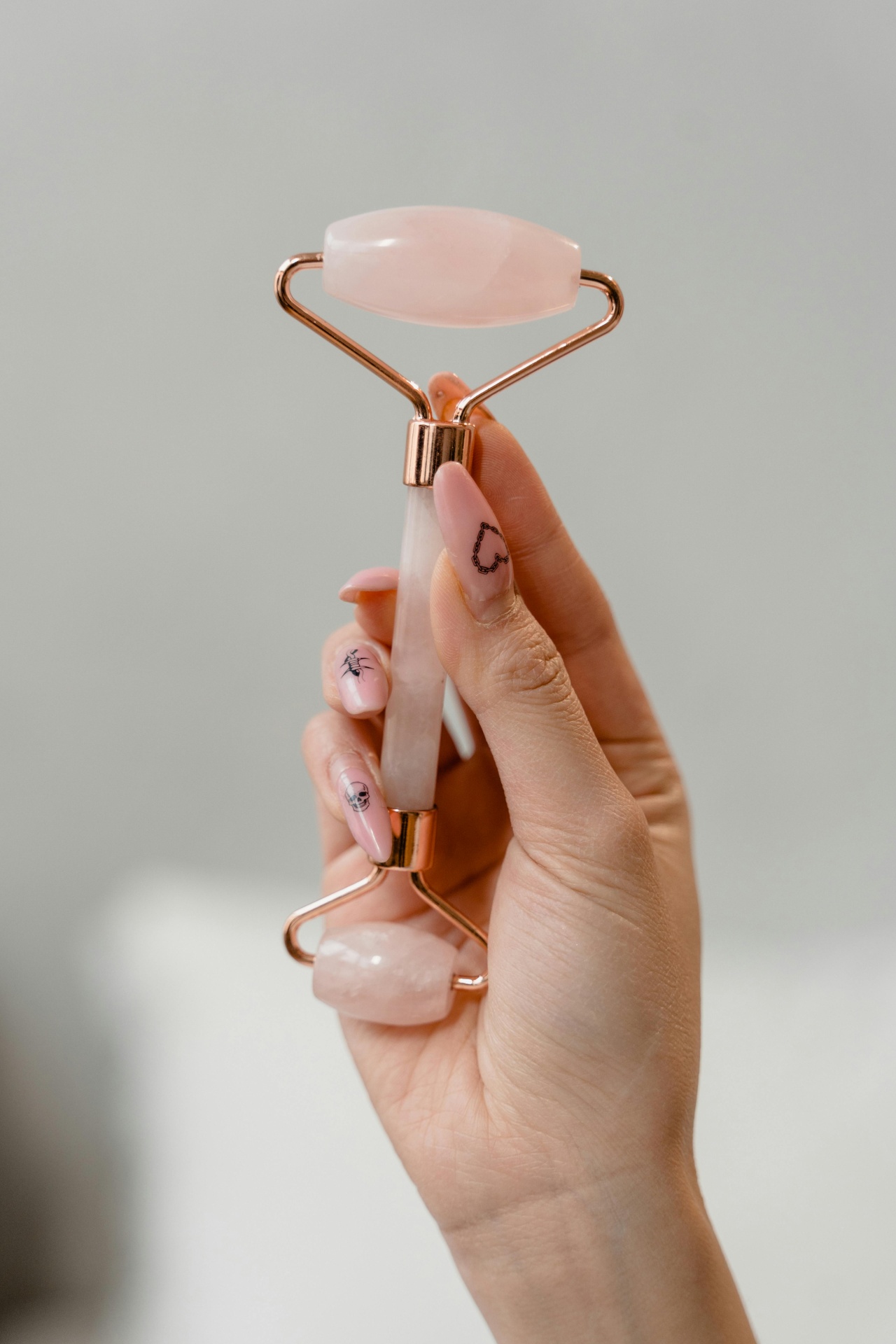
Using a jade roller safely is straightforward and does not require any special precautions beyond basic hygiene and common sense:
- Keep it clean: Wash your jade roller with mild soap and warm water at least once a week, or after every use if you use it daily. Dry it with a soft clean cloth and store it in a dry place. A clean pouch or lined box works well to protect the stone from scratches.
- Do not share: Jade rollers are personal care tools, much like a toothbrush. Sharing them can transfer skin oils, bacteria, and in rare cases fungal organisms between users.
- Avoid extreme temperatures: While jade tolerates temperature changes without cracking the way glass might, sudden extreme heat or freezing is unnecessary and offers no documented benefit. Room temperature storage is perfectly fine.
- Use light to moderate pressure: The goal of jade rolling is lymphatic drainage and increased superficial circulation, not deep tissue massage. Let the weight of the roller do the work rather than pressing hard into the skin.
- Do not roll over open, broken, or severely irritated skin: Stick to healthy skin areas. If you have active breakouts or rashes, avoid those zones entirely until they heal.
Bottom line on safety: A genuine nephrite or jadeite jade roller used with basic hygiene is one of the safest tools you can put on your face. The cancer warning is not backed by credible research, and the concerns about heavy metals, asbestos, and chemical residues either apply only to fraudulent products or are scientifically unsupported even for authentic stone. There is no credible mechanism by which properly sourced jade could cause cancer through normal topical use.
Summary: Is the Cancer Warning Legitimate?
After examining the evidence thoroughly, here is what the research actually supports:
- No credible evidence links authentic jade rollers to cancer. The NIH, Mayo Clinic, peer-reviewed mineralogical literature, and dermatological sources contain no documented cases supporting this claim for properly sourced nephrite or jadeite.
- Heavy metal concerns are not supported by realistic exposure scenarios. Trace metals in nephrite are tightly bound within the crystal structure and have no viable pathway to transfer to skin through normal rolling use.
- Asbestos fears arise from counterfeit products, not genuine jade. Authentic nephrite and jadeite do not contain asbestos as a natural component, and the fear stems from fraudulent stone substitutes.
- The real risk in the market is fraudulent materials marketed as jade. Buying from reputable sources with transparent sourcing eliminates the primary legitimate concern about material quality.
- Basic hygiene and common-sense usage make jade rollers safe for nearly everyone.
For more context on what consistent jade roller use can actually do for your skin over time, see our detailed article on jade roller before and after results week by week to set realistic expectations based on documented user experiences.
Stay informed, buy from trusted sources, and enjoy your jade roller with confidence.