If you are researching whether a jade roller can be dangerous, you are not alone. Thousands have embraced this ancient skincare tool — but an increasing number of dermatologists are speaking up about real risks that users need to understand before rolling.
Jade rollers are marketed as completely harmless, gentle tools anyone can use. But that is not the full picture. Dermatologists have started documenting cases where jade rolling caused bruising, infections, skin damage, and even accelerated aging — and the common thread is users who did not know what they were doing wrong.
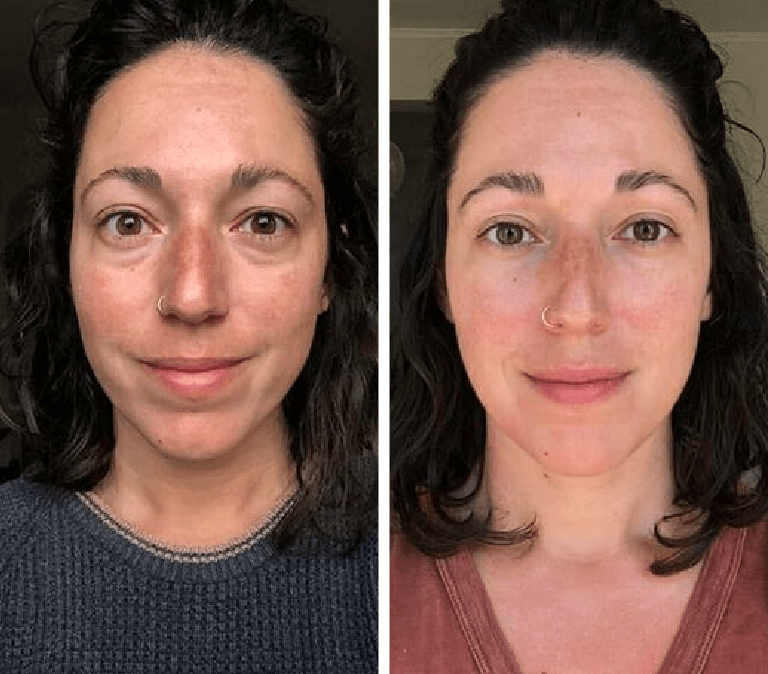
Dr. Michelle Williams, a board-certified dermatologist with over 15 years of experience, has treated numerous jade roller-related issues. "The tool itself is not dangerous," she explains. "The problem is how people use it — and what they do not know can hurt them."
The most reported jade roller risk is bruising — and it is far more common than most users realize. Rolling too aggressively, especially on thin or sensitive skin around the eyes, can damage tiny blood vessels beneath the surface. The cool sensation jade provides tricks users into thinking more pressure is fine — it is not.
If you press hard enough to feel discomfort or see redness afterward, you are doing it wrong. Some people mistake the cooling sensation for permission to press harder. The result is broken capillaries that can take months to fade.
This is the risk that concerns dermatologists the most. Every time you roll across your face, the jade picks up oils, dead skin cells, bacteria, and skincare products. Without proper cleaning between uses, you are essentially pushing all of that back into your pores.
Dr. Sarah Chen, who specializes in acne and facial skincare, has treated patients with sudden breakouts traced to dirty jade rollers. "I had a patient doing everything right — double cleansing, good diet — but kept getting acne along her jawline. She was cleaning her jade roller maybe once a month."
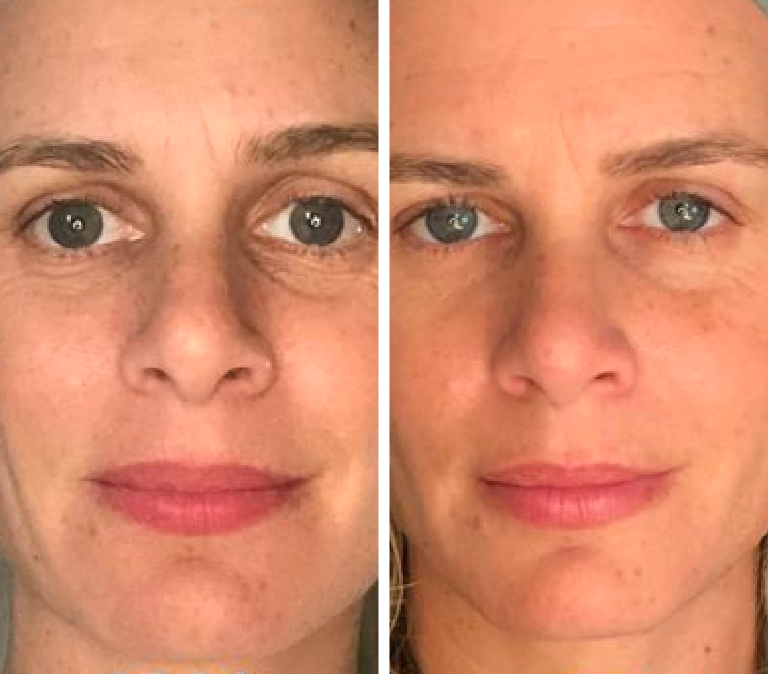
Dragging the roller instead of gently pressing and sweeping can actually stretch the skin over time — particularly in areas where the skin is thinner and less elastic. Users trying to "depuff" or "tighten" can inadvertently contribute to the exact skin laxity they are trying to avoid.
Lower-quality jade rollers may contain dyes, resins, or fillers that can leach into your skin — especially when combined with heat or certain skincare ingredients. Real nephrite jade is non-porous and inert. Imitation "jade" made from plastic, glass, or dyed stone can harbor contaminants and release irritants.
Despite its reputation as a universal, gentle tool, there are specific situations where dermatologists recommend avoiding jade rollers entirely:
The most frequent complaint in dermatology offices. Users see "depuffing" videos and assume faster, harder strokes produce better results. They do not. Gentle, slow upward strokes are all you need — think of it as a calm, soothing massage, not exercise.
Rolling over sunscreen, foundation, or heavy creams traps these products under the roller and pushes them deep into pores. Always roll on clean, damp skin — or if using a serum, apply it first and let it absorb before rolling.
Cleaning "whenever I remember" is not good enough. Your jade roller should be cleaned after every single use with gentle soap and warm water, then dried completely. Monthly deep cleaning with a gentle brush is also recommended.
Bathrooms are humid, bacteria-rich environments. Storing your jade roller in a bathroom can lead to mold growth and bacterial contamination — even if you clean it regularly. Keep it in the bedroom in a clean, dry pouch.
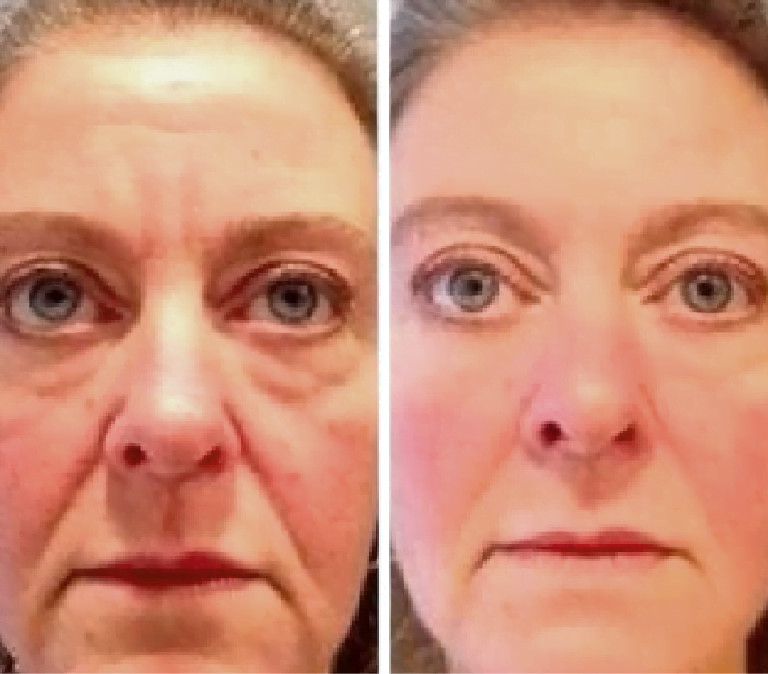
"The number one mistake I see is people pressing too hard because the cool stone feels good. That coolness is not a signal to press harder — it is a signal that the stone is doing its job." — Dr. Jessie Cheung, dermatology specialist
For most healthy adults using correct technique, a jade roller is a safe and beneficial addition to their skincare routine. The key words are "correct technique." If you learn to use it properly — light pressure, consistent cleaning, proper storage — the benefits significantly outweigh the risks.
If you have pre-existing skin conditions, are unsure about your stone quality, or have experienced problems after rolling, consult a board-certified dermatologist before continuing.