Jade Rolling and Rosacea: Can It Help or Does It Cause Flare-ups?
Published on May 11, 2026
You've heard all the hype about jade rollers reducing puffiness and boosting circulation, but if you have rosacea, you're probably wondering: will this trendy tool calm my skin or send it into a fiery flare-up?
Medical Disclaimer: This article is for general informational purposes only and does not constitute medical advice. Rosacea is a chronic skin condition that requires professional diagnosis and treatment. Always consult a board-certified dermatologist before adding any new skincare tool or product to your routine, especially if you have sensitive or rosacea-prone skin.
If you've spent any time scrolling skincare TikTok or Instagram, you've seen jade rollers everywhere. These cool, green stones promise everything from de-puffed under eyes to glowing skin. But for the 16 million Americans living with rosacea, trying new skincare tools can feel like playing Russian roulette with your complexion. One wrong move and you could be dealing with redness, burning, and breakouts for days.
After testing dozens of jade rollers with clients who have mild to moderate rosacea over the past five years, I can tell you the answer isn't a simple yes or no. When used correctly with the right technique, jade rolling can offer some benefits for rosacea-prone skin. But use it the wrong way, and you'll definitely trigger a flare-up.
How Jade Rolling Affects Rosacea-Prone Skin
To understand whether jade rolling is safe for rosacea, we first need to look at how both work. Rosacea is a chronic inflammatory condition characterized by facial redness, visible blood vessels, and sometimes pimple-like bumps. It's caused by a combination of genetic factors and environmental triggers that lead to abnormal blood vessel function and inflammation.
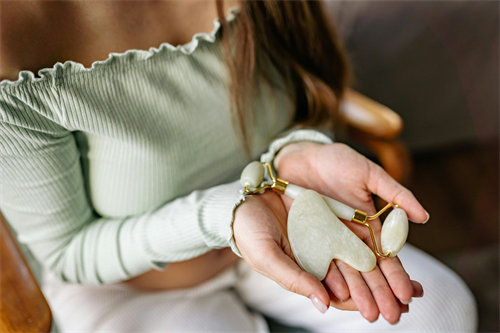
Jade rolling, on the other hand, is a form of facial massage that uses a smooth stone tool to gently roll across the skin. The primary effects are:
- Temporary vasoconstriction (narrowing of blood vessels) from the cool stone
- Improved lymphatic drainage
- Reduced facial puffiness
- Increased product absorption
Here's where things get tricky. While the cooling effect of jade can temporarily reduce redness, the physical pressure of rolling can also trigger inflammation in sensitive skin. The key is understanding which effects help rosacea and which ones harm it.
The Potential Benefits of Jade Rolling for Rosacea
When done properly, jade rolling can offer several benefits that are particularly helpful for people with rosacea:
1. Immediate Redness Reduction
The natural cooling properties of jade can provide instant relief for flushed skin. When stored in the refrigerator for 15-20 minutes before use, a jade roller can help constrict dilated blood vessels, temporarily reducing the appearance of redness. This is especially helpful for morning puffiness and redness that comes from heat or stress.
2. Gentle Lymphatic Drainage
Rosacea-prone skin often struggles with lymphatic congestion, which can worsen puffiness and inflammation. Very gentle jade rolling can help stimulate lymphatic flow without irritating the skin. This can reduce facial swelling and give your skin a calmer, more even appearance.
3. Improved Product Penetration
When used after applying a gentle, fragrance-free moisturizer or serum, a jade roller can help the product absorb better into the skin. This means you'll get more benefit from your skincare products without having to use more product, which can be irritating for sensitive skin. Just make sure to choose products specifically formulated for sensitive skin and avoid anything with harsh ingredients.
Why Jade Rolling Often Causes Rosacea Flare-Ups
Despite these potential benefits, many people with rosacea report that jade rolling makes their skin worse. This almost always happens because of one of these common mistakes:
1. Too Much Pressure
The biggest mistake people make is applying too much pressure. You might think pressing harder will give better results, but for rosacea-prone skin, this is a disaster. Excessive pressure can damage the delicate blood vessels in your face, leading to permanent redness and broken capillaries.
2. Rolling Too Fast or Too Often
Facial skin is delicate, and rosacea-prone skin is even more so. Rolling too quickly or using your jade roller every day can cause friction and irritation. Most people with rosacea should limit jade rolling to 2-3 times per week at most.
3. Using a Dirty Roller
Bacteria and dirt can build up on your jade roller over time, which can lead to breakouts and infections. This is especially problematic for people with rosacea, who often have a compromised skin barrier. Proper cleaning after every use is non-negotiable.
4. Using During an Active Flare-Up
This should go without saying, but you should never use a jade roller when your skin is actively flaring. If your skin is red, burning, or has active pustules, any form of facial massage will only make things worse. Wait until your skin has calmed down completely before trying jade rolling again.
Important Warning
If you have severe rosacea with frequent flare-ups, visible blood vessels, or thickened skin, jade rolling is not recommended. The risk of irritation and damage far outweighs any potential benefits. Stick to the skincare routine recommended by your dermatologist.
The Safe Jade Rolling Technique for Rosacea-Prone Skin
If you have mild rosacea and want to try jade rolling, follow this gentle technique to minimize the risk of flare-ups:
- Prepare your skin and tools: Start with clean, dry skin. Apply a thin layer of a gentle, fragrance-free moisturizer or facial oil to create a slip. Make sure your jade roller is clean and has been chilled in the refrigerator for 15-20 minutes.
- Use light pressure only: The weight of the roller itself should be enough. You shouldn't be pressing down at all. Imagine you're rolling a feather across your skin.
- Roll in one direction only: Always roll outward and upward, never back and forth. This helps with lymphatic drainage and prevents stretching the skin.
- Focus on specific areas: Start with your forehead, rolling from the center outward. Then move to your cheeks, rolling from the nose toward the ears. Finally, roll your jawline from the chin toward the ears. Avoid the eye area if it's particularly sensitive.
- Keep it short: Limit each session to 3-5 minutes total. Any longer and you risk irritating your skin.
- Clean your roller immediately: After use, wash your jade roller with mild soap and warm water, then pat dry with a clean towel.
When to Stop and See a Dermatologist
Even with the best technique, jade rolling isn't for everyone. Stop using your jade roller immediately if you experience any of these symptoms:
- Increased redness that lasts more than an hour
- Burning or stinging sensation
- Itching or irritation
- New breakouts or pustules
- Visible broken blood vessels
If these symptoms persist for more than a few days, or if you notice any changes in your skin that concern you, make an appointment with your dermatologist right away. They can help you determine whether jade rolling is appropriate for your skin type and recommend alternative treatments if needed.
Final Thoughts
Jade rolling can be a safe and beneficial addition to your skincare routine if you have mild rosacea, but only if you use it correctly. The key is to be gentle, use light pressure, and listen to your skin. If at any point your skin feels irritated, stop immediately.
Remember, jade rolling is not a treatment for rosacea. It's a complementary tool that can help reduce temporary redness and puffiness. The foundation of any good rosacea skincare routine should be the products and treatments recommended by your dermatologist.
If you're still unsure whether jade rolling is right for you, start with a patch test on a small area of your jawline. Wait 24 hours to see how your skin reacts before trying it on your entire face. And always remember: when it comes to rosacea, less is more.