Jade Rolling During Pregnancy: Is Facial Rolling Safe When You're Expecting?
Published on May 16, 2026 | 8 min read
Disclaimer: This article is for general informational purposes only and does not constitute professional medical advice. Pregnant or breastfeeding women should always consult their healthcare provider before using any new skincare tools or products, including jade rollers.
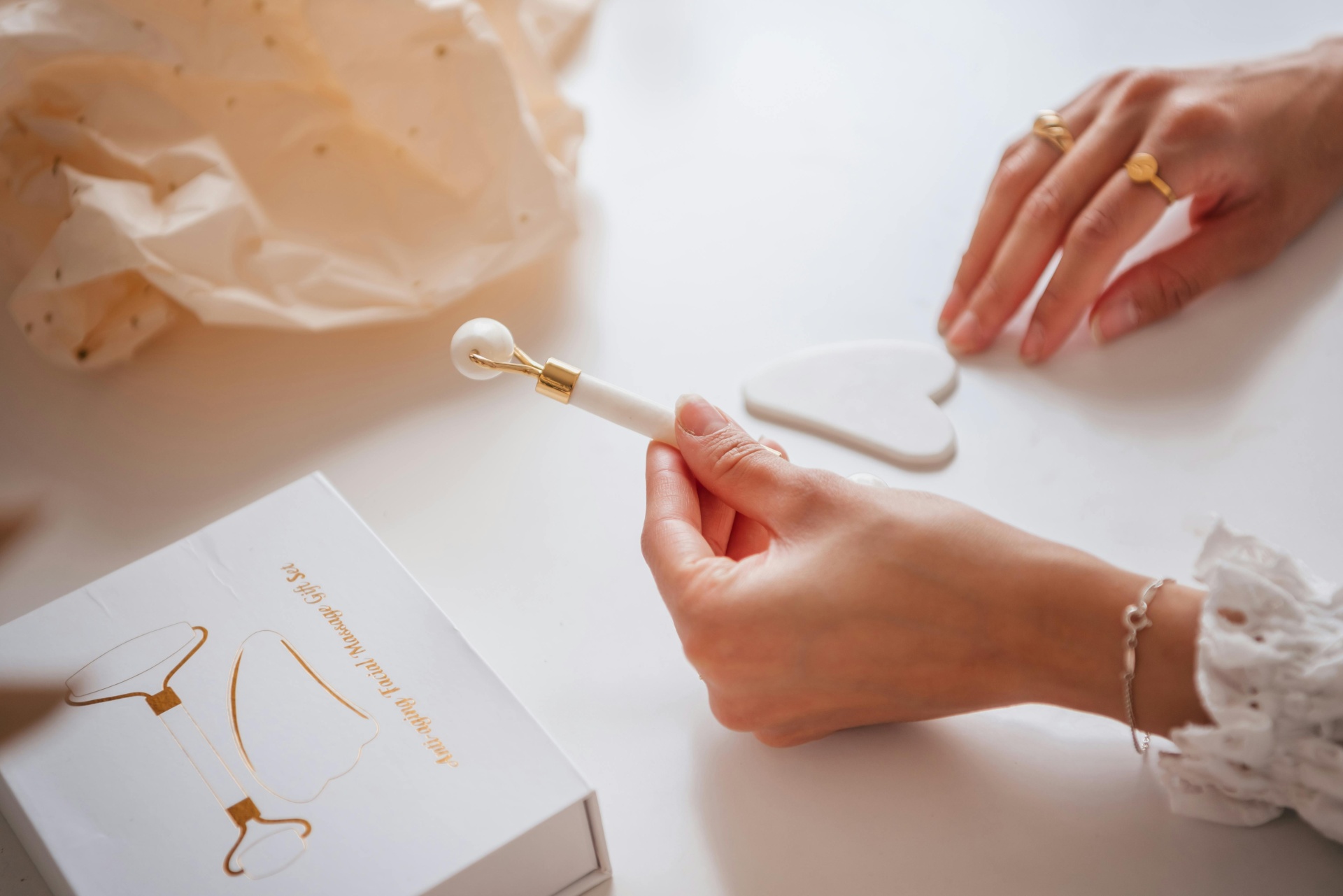
You're pregnant. Your skin is doing things you didn't sign up for — maybe it's clearer than it's ever been, maybe it's breaking out in ways you haven't experienced since your teenage years, maybe the hormone-induced glow everyone talks about is actually a constant flush of redness and sensitivity. And right in the middle of all this, you're wondering: can I still use my jade roller?
It's a genuinely good question, and one that deserves a more nuanced answer than "yes, it's fine" or "no, stop." The truth is: for most pregnant women, gentle facial jade rolling with a few important modifications is considered safe. But there are real things you need to know — about pressure points, about which products to avoid pairing with your roller, and about how your changing skin changes the rules of the game.
What We'll Cover
- The General Safety Verdict
- Pressure Points and Areas to Avoid
- How Pregnancy Changes Your Skin
- Ingredients and Products to Avoid During Pregnancy
- The Benefits of Gentle Jade Rolling During Pregnancy
- Postpartum Recovery: Jade Rolling After Birth
- When to Consult Your Healthcare Provider
- Frequently Asked Questions
The General Safety Verdict
The short answer: for most healthy pregnancies, gentle facial jade rolling is considered safe with modifications. The key word is gentle. Pregnancy affects your skin's sensitivity, your circulation, and your body's inflammatory responses — all of which change how you should approach jade rolling.
Unlike certain skincare ingredients (retinoids, high-dose salicylic acid) that are known to carry pregnancy risks and are contraindicated, the jade roller itself is a passive tool. It's the stone — not a chemical compound. Used with proper technique, it doesn't introduce anything harmful into your system.
What does change during pregnancy:
- Skin sensitivity increases — what felt like light pressure before might feel too intense now
- Skin may be more reactive — inflammation responses can be heightened
- Circulation changes — your body is already working harder to circulate blood for two
- Certain pressure points have Traditional Chinese Medicine associations with uterine stimulation (more on this below)
The golden rule for pregnancy jade rolling: If something feels uncomfortable or causes any unusual sensation, stop. Your body is more tuned to signals during pregnancy — listen to it. There's no skincare benefit worth risking your peace of mind.
Pressure Points and Areas to Avoid
Some Traditional Chinese Medicine practitioners advise against applying pressure to certain facial areas during pregnancy, based on the theory that these points correspond to uterine or reproductive meridians. While modern Western medicine doesn't have strong evidence linking facial pressure points to pregnancy outcomes, many practitioners and pregnant women choose to err on the side of caution.
Areas to Approach with Caution
- Heavy pressure on the sides of the neck — The carotid sinus area (on the sides of your neck, below the jaw) contains a cluster of nerves and blood vessels. While there's no evidence jade rolling here causes harm, extremely heavy pressure in this area can trigger vagal responses (dizziness, lightheadedness) in some people. Solution: Avoid pressing hard on the lateral neck; stick to very gentle upward strokes from collarbone to jaw.
- The orbital bone area around the eyes — Some TCM practitioners suggest avoiding heavy stimulation around the orbital bone area. For pregnancy, we recommend using the small roller end very gently around the eyes — light, no more than 2-3 strokes per side. Our eye-area specific guide has a gentle protocol that's well-suited to pregnancy.
Important: This article addresses facial jade rolling only. Do NOT use jade rolling on your lower back, abdomen, or legs during pregnancy — these areas are associated with pressure points that some practitioners believe may affect the uterus. If you're interested in prenatal massage, consult a certified prenatal massage therapist.
How Pregnancy Changes Your Skin
Understanding how pregnancy affects your skin helps you adjust your jade rolling technique appropriately. The hormonal shifts of pregnancy affect every woman differently, but common patterns include:
Increased Oiliness and Breakouts
Rising androgen levels during the first and second trimesters can trigger acne flares — sometimes severe. If you're dealing with pregnancy acne, our active acne guide applies with extra caution: never roll over active pustules or cysts. The inflammation of pregnancy acne can spread if agitated.
Melasma (The "Mask of Pregnancy")
Up to 70% of pregnant women develop melasma — brown or gray-brown patches on the face, typically on the cheeks, bridge of the nose, forehead, and upper lip. This is caused by increased melanin production. If you have melasma, be extra careful with sun protection and avoid any rolling technique that irritates the affected areas, as inflammation can worsen hyperpigmentation.
Heightened Sensitivity
Pregnancy can make skin more reactive to products and tools that never caused issues before. If you notice redness, irritation, or unusual sensitivity after rolling, reduce frequency or stop. This is your body telling you something has changed.
Increased Blood Flow and "Pregnancy Glow"
Many pregnant women experience increased facial redness and flushing due to elevated blood volume and circulation. If you're already flushed or warm, a cold jade roller can actually feel soothing — but don't use it as a substitute for managing persistent redness, which should be evaluated by a dermatologist.
Ingredients and Products to Avoid During Pregnancy
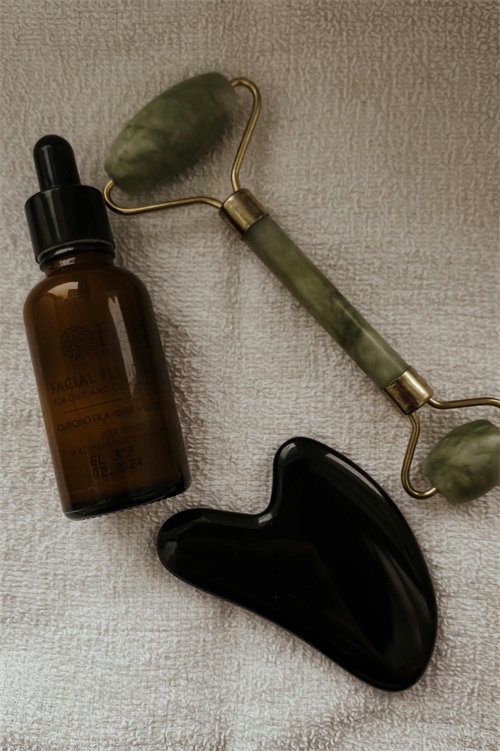
Jade rolling itself is safe — but what you pair it with may not be. Here's what to watch out for:
| Ingredient / Product | Pregnancy Status | Why | Jade Rolling Impact |
|---|---|---|---|
| Retinoids (Retinol, Tretinoin, Adapalene) | Avoid — known teratogen | Associated with birth defects in high doses; contraindicated during pregnancy | Do not roll over skin treated with retinoids. Increased absorption could heighten risk. |
| High-dose Salicylic Acid (>2%) | Avoid oral; topical use with caution | Systemic absorption risk with high concentrations; some professional treatments are unsafe | Avoid rolling over BHA-treated skin. Low-dose topical SA (<2%) is generally considered safer but still consult your OB. |
| Vitamin A derivatives | Absolutely avoid | Same category as retinoids; proven teratogenic risk | Do not use in combination with rolling. |
| Essential oils (tea tree, rosemary, clary sage) | Avoid undiluted; some are contraindicated | Can be absorbed through skin; some have hormonal effects | If using facial oils with jade rolling, stick to pregnancy-safe carrier oils (squalane, jojoba, rose hip seed — but verify purity). |
| Hydroquinone | Avoid | High systemic absorption; used with caution in pregnancy | Not safe to combine with rolling during pregnancy. |
| Chemical sunscreens (oxybenzone, avobenzone) | Use mineral alternatives | Some chemical UV filters have endocrine disruption concerns | Apply mineral sunscreen after rolling, not before. Never roll over chemical sunscreen. |
| Safe to use during pregnancy: | |||
| Hyaluronic Acid | Safe | Large molecule, no systemic absorption | Excellent for hydration; pairs well with rolling. |
| Niacinamide | Safe | B3 vitamin, well-studied in pregnancy | Good for barrier support and brightening; safe with rolling. |
| Azelaic Acid (prescription-grade consult doctor) | Use with doctor guidance | Some studies suggest caution at high concentrations | Lower concentrations (10-15%) are generally considered lower risk, but verify with your provider. |
| Vitamin C (topical) | Safe | Antioxidant, no pregnancy risk at topical doses | Safe and beneficial for brightening and collagen support. |
| Centella Asiatica (Cica) | Safe | Calming, well-tolerated | Excellent for pregnancy skin sensitivity; pairs well with rolling. |
When in doubt, check with your OB-GYN. Your healthcare provider has the full picture of your pregnancy and can confirm whether specific products are safe for you. Some women have high-risk pregnancies where the standard guidelines don't apply — always get personalized guidance.
The Benefits of Gentle Jade Rolling During Pregnancy
When done with the precautions above, jade rolling during pregnancy can offer some genuine benefits:
- Reduced morning puffiness: Pregnancy increases fluid retention throughout the body, including the face. Gentle lymphatic drainage rolling can help move excess fluid. Focus on very light upward strokes — no heavy pressure needed.
- Stress relief and self-care: Pregnancy is stressful on the body and mind. The ritual of a gentle skincare routine can be genuinely therapeutic. A cold jade roller on puffy, tired skin is one of the simplest, most affordable self-care tools available.
- Enhanced product absorption: If you're using pregnancy-safe serums (HA, vitamin C, niacinamide), jade rolling can boost their effectiveness. Our sensitive skin guide is particularly relevant here — real jade (nephrite) is less reactive than synthetic alternatives, making it a better choice for pregnancy skin that's more prone to sensitivity.
- Soothing pregnancy-related facial redness: The cooling effect of a refrigerated jade roller can calm the vasodilation-related flushing that many pregnant women experience, particularly in the second and third trimesters.
Postpartum Recovery: Jade Rolling After Birth
Once you've given birth and received clearance from your healthcare provider, jade rolling can be a helpful part of your postpartum recovery routine:
- Post-cesarean section: Avoid rolling the abdominal area. For facial rolling, wait until your incision is fully healed (typically 6-8 weeks) and you have clearance from your OB. Facial rolling can resume as soon as you feel ready.
- Postpartum swelling: Many women retain fluid after delivery. Gentle facial lymphatic drainage rolling can help reduce facial puffiness. If you had significant postpartum swelling (edema in legs, etc.), consult your doctor before adding any body massage or drainage techniques.
- Skin recovery: Pregnancy and breastfeeding can change your skin long-term. A consistent, gentle routine with a jade roller — paired with postpartum-safe products — can help skin recover its pre-pregnancy condition over time.
- Postpartum melasma: Many women find that melasma fades partially after delivery, but some discoloration can persist. A gentle routine with vitamin C and niacinamide (both safe during breastfeeding) can support fading over time.
When to Consult Your Healthcare Provider
Stop jade rolling and check with your OB-GYN or healthcare provider if you experience:
- Any unusual uterine sensations or cramping during or after rolling
- Dizziness, fainting, or significant lightheadedness (could indicate vagal response from neck pressure)
- New or worsening skin conditions that seem triggered by your skincare routine
- High-risk pregnancy designations (your provider may have specific guidance)
- Any uncertainty about specific products you're using alongside rolling
If you have a history of miscarriage, preterm labor, or other pregnancy complications, discuss any new self-care practices — including jade rolling — with your healthcare team before starting.
Frequently Asked Questions
Can I use a jade roller in the first trimester?
Yes, most practitioners consider gentle facial jade rolling safe throughout all trimesters with the modifications outlined above. However, some women find their nausea and sensitivity are at their peak in the first trimester, making even gentle skincare routines feel like too much. Listen to your body. If rolling feels good and relaxing, it's fine. If it triggers nausea or discomfort, pause and revisit in the second trimester when many women feel more settled.
Is it okay to refrigerate my jade roller while pregnant?
Yes — a cold jade roller is perfectly safe to use during pregnancy. Refrigeration (not freezing) is actually one of the best practices for jade roller care regardless of pregnancy status. The cold stone provides soothing relief for pregnancy-related facial swelling. If you find the cold sensation uncomfortable or triggering nausea (which can happen in early pregnancy), use the roller at room temperature instead.
Can jade rolling help with pregnancy-related facial swelling (edema)?
It can help with facial puffiness specifically, yes. Pregnancy edema in the face is caused by fluid retention, which is influenced by hormones, salt intake, and circulation. Gentle lymphatic drainage rolling — always in an upward, outward direction — can help move excess fluid from facial tissues. However, if you're experiencing significant swelling in your hands, feet, or legs, don't try to manage it with jade rolling. Contact your healthcare provider, as severe postpartum or pregnancy-related edema can indicate preeclampsia or other conditions that need medical attention.
Can I use my jade roller on my neck during pregnancy?
You can use gentle upward strokes on your neck — from the collarbone toward the jawline — with very light pressure. Avoid applying any firm pressure to the sides of your neck where the carotid artery runs. The key during pregnancy is to be more conservative than usual: lighter pressure, fewer strokes, and stop if anything feels uncomfortable. If your neck skin has changed in texture or sensitivity during pregnancy (which can happen), reduce frequency or skip the neck area entirely.
I'm breastfeeding — are there any additional precautions for jade rolling?
The jade roller itself poses no breastfeeding-specific risks — it's a surface tool with no way to introduce substances into breastmilk. However, continue to avoid the same active ingredients that were contraindicated during pregnancy (retinoids, high-dose salicylic acid, hydroquinone). All other pregnancy-safe products remain safe during breastfeeding. If you're pumping or nursing and notice any unusual skin reactions on your chest or breast area, avoid rolling over those regions until you've consulted a dermatologist.