Jade Roller for Aging Skin: A Long-Term Set
Aging skin has specific concerns, and a jade roller is a tool that can fit into a long-term routine. The 2026 long-term set, the 3 things that matter most for aging skin, and the 2 things to skip if you want visible results over months, not days.
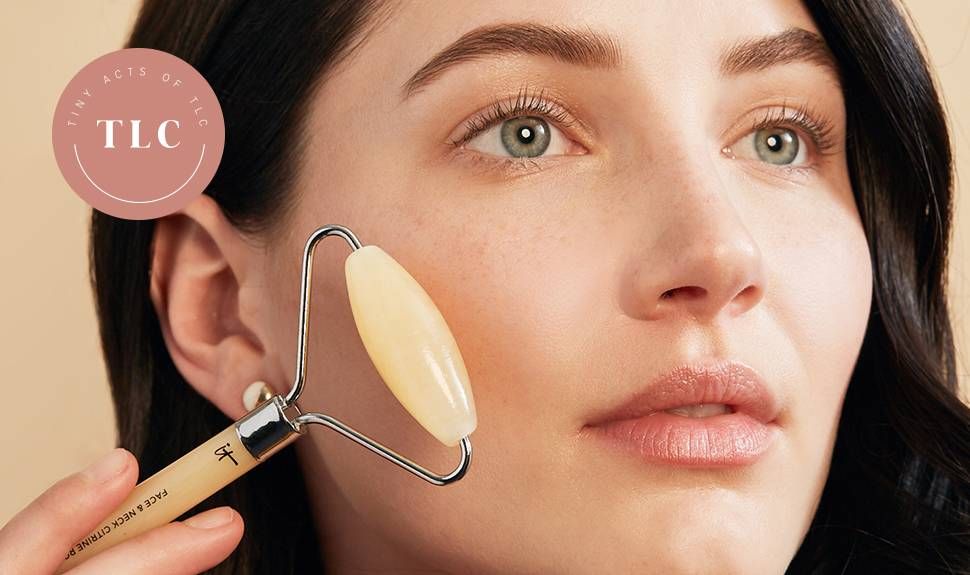
Why aging skin is a different use case
Aging skin (40+) has specific concerns:
- Thinner barrier. The skin barrier becomes thinner with age, and the skin is more reactive to friction and pressure.
- Less sebum production. The sebaceous glands produce less sebum with age, and the skin is drier than younger skin.
- More visible fine lines. The collagen and elastin fibers are less dense, and the fine lines around the eyes and mouth are more visible.
- Slower cell turnover. The cell turnover slows with age, and the surface tone is less even than younger skin.
The roller is a surface tool that adds friction and pressure. For aging skin, the parameters are stricter, and the wrong tool can produce a worse result than the baseline.
The 3 things that matter most for aging skin
Feature 1: Smooth, polished stone
Aging skin is more sensitive to friction, and any roughness on the stone will catch on the dry patches and create friction marks. The stone must be polished to a fine surface, with no micro-scratches visible in good light. Run a fingertip across the stone; if you feel any roughness, put it back.
Feature 2: Stainless steel or anodized frame
Aging skin is more reactive to metal allergens, especially nickel. Plated zinc and brass frames are a real risk; the plating wears off within 6 months, and the underlying metal can cause a contact reaction. Stainless steel or anodized aluminum is the safe choice.
Feature 3: 30-45g weight
Heavier rollers (60g+) deliver more pressure per square centimeter, which is more than aging skin can comfortably handle. The standard 30-45g roller is the right weight for this skin type. The heavier weight is a feature for some users and a bug for aging skin.
The 2026 long-term set for aging skin
| Item | Price | Why it fits aging skin |
|---|---|---|
| Stainless steel two-headed roller (30-45g) | $25-$35 | Most durable, easy to clean, doesn't corrode. The right starting point. |
| Smooth-polished nephrite two-headed roller | $15-$25 | Smooth stone, replaceable, but verify the frame is stainless steel or anodized. |
| Lightweight rose quartz two-headed roller | $25-$35 | Slightly heavier feel, similar effect. Worth the upgrade if you prefer the look. |
All three are reasonable for aging skin. The stainless steel is the safest choice; the stone rollers are slightly more pleasant to use.

The 2 things to skip for visible results
- Cheap plated frames. The plating wears off within 6 months, and the underlying metal can cause a contact reaction. The $10 rollers are tempting, but the long-term cost is higher than the $25 stainless steel option.
- Overly heavy rollers (60g+). The heavier weight delivers more pressure than aging skin can comfortably handle. The visible result is pressure marks, not a more pronounced effect. The 30-45g range is the right window for aging skin.
Both rules are about preventing friction and pressure on a thinner barrier. The roller is a long-term tool; the right parameters make the difference between a useful tool and a source of irritation.
What the roller can do for aging skin
Three things:
- Move surface fluid. The roller moves the fluid that pools under the eyes and in the cheek area. For aging skin, the fluid retention is often more visible because the skin is thinner.
- Improve the surface tone. The rolling motion gives the surface a more even tone, which makes the fine lines less visible.
- Support the long-term routine. The roller is a daily tool, and the cumulative effect of 4-8 weeks of consistent rolling produces a visible change in the surface tone.
The roller is a comfort tool; it's not a treatment for the underlying aging. The fine lines, the collagen loss, and the elastin changes are structural, and the roller doesn't affect them.
What the roller is not doing
Three things:
- Building collagen. The roller doesn't stimulate collagen production. The clinical interventions that do are retinoids, vitamin C, and laser treatments.
- Reversing fine lines. The fine lines around the eyes and mouth are caused by repeated expression and collagen loss. The roller doesn't rebuild collagen.
- Lifting the fat pad. The fat pad descends with age, deepening the nasolabial fold. The roller doesn't lift the fat pad; the microcurrent device does.
For real structural change in aging skin, the evidence-based options are:
- Retinoids (tretinoin, retinol) - the gold standard for collagen stimulation
- Vitamin C (L-ascorbic acid) - supports collagen production and brightens the surface tone
- SPF 30+ daily - prevents further photoaging, which is the primary cause of visible aging
- Microcurrent devices - reach the muscle layer and produce a more substantial visible change
The roller is a comfort addition; the retinoid + vitamin C + SPF is the actual anti-aging routine. The two are not the same.
Frequently asked questions
Can a jade roller reduce fine lines?
Indirectly. The roller can reduce the surface puff that makes fine lines more visible, but it doesn't rebuild collagen. The visible effect is small; the real change comes from retinoids and SPF.
Is a heavier roller better for aging skin?
No. The heavier weight delivers more pressure than aging skin can comfortably handle. The 30-45g range is the right window; the heavier rollers (60g+) produce pressure marks, not better results.
What about a heated stone for aging skin?
I'd avoid it. Heated stones are a recent trend, but the heat can trigger a reactive flush on aging skin. Room temperature or chilled (after a 4-week patch test) is the safe default.
Can I use the roller with my retinoid routine?
Yes, with timing. Apply the retinoid at night, wait 20 minutes, then roll. The roller doesn't interact with the retinoid, but the timing prevents the rolling from spreading the retinoid to unintended areas.
What if I have a history of skin cancer?
Consult a dermatologist before using the roller. The roller is a comfort tool, but any facial tool can interact with skin lesions. The dermatologist's specific advice is the right source.
Who should buy a roller for aging skin and who should skip it
Worth buying if you're on a long-term anti-aging routine (retinoid + vitamin C + SPF), you can commit to a 90-second daily routine, and you understand the roller is a comfort tool, not a treatment. The cumulative effect of 4-8 weeks is what the photos show.
Skip it if you have an active breakout, you've had a recent procedure, or you want a tool that will reverse fine lines. The roller doesn't do that; the retinoid does.
This article is for general information only and is not medical advice. Aging skin is a normal process that responds to evidence-based interventions; consult a dermatologist for guidance specific to your case. The roller is a comfort tool, not a medical device. Some links in this article go to products we independently recommend.