Jade Roller With Acupressure: 4 Techniques
Acupressure is the practice of applying pressure to specific points on the body, and a jade roller is a tool that can complement the practice. The 4 techniques, the 3 things to know, and the rule that prevents over-stimulating the pressure points.
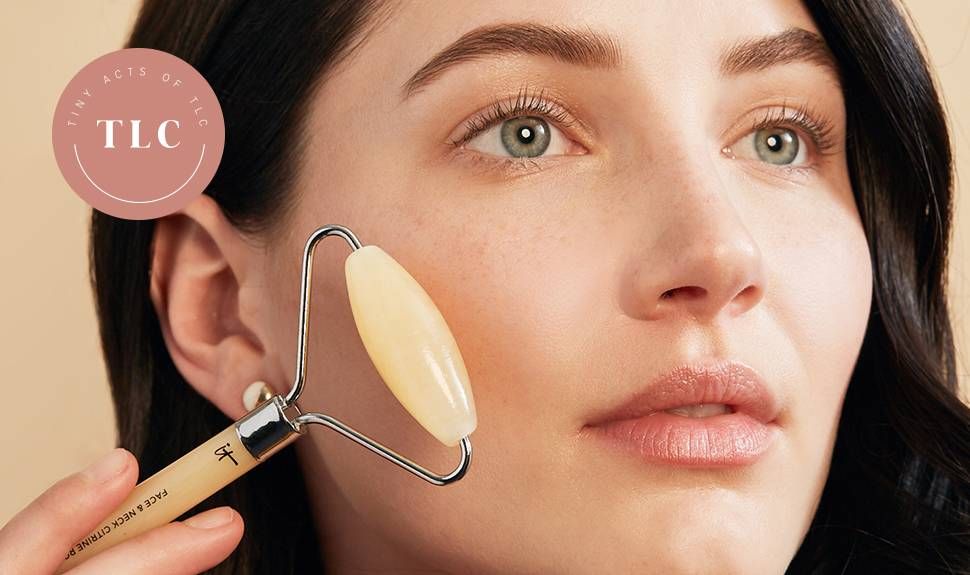
Why acupressure is a different use case
Acupressure is a traditional Chinese medicine practice that involves applying pressure to specific points on the body. The practice is based on the idea that the body has meridians (energy channels) and that stimulating specific points can affect the flow of energy through the meridians.
The roller is a surface tool that moves fluid. The two can coexist, but the practice is different:
- The roller is dynamic. The rolling motion moves fluid across the surface.
- Acupressure is static. The pressure point press holds the pressure at a specific point for 30-60 seconds.
- The combination is complementary. The roller moves fluid, and the acupressure points stimulate the underlying meridians. The two effects are different but compatible.
None of this means acupressure is a treatment for medical conditions. The practice is a comfort addition; the medical treatments are the actual interventions.
The 4 techniques
Technique 1: Temple press (30 seconds per side)
The temple is a pressure point that affects the head and the eye area. Use the index finger of the opposite hand to press the temple firmly but not painfully. Hold for 30 seconds. Repeat on the other side. The press is a static pressure, not a rolling motion.
Best for: tension headaches, eye strain, sinus pressure.
Technique 2: Brow press (15 seconds per side)
The brow has a pressure point at the inner end of the eyebrow, near the bridge of the nose. Use the index finger to press this point firmly but not painfully. Hold for 15 seconds. Repeat on the other side.
Best for: eye strain, sinus pressure, frontal headaches.
Technique 3: Cheekbone press (30 seconds per side)
The cheekbone has a pressure point at the top of the cheekbone, just below the outer corner of the eye. Use the index or middle finger to press this point firmly but not painfully. Hold for 30 seconds. Repeat on the other side.
Best for: sinus pressure, facial tension, lymphatic drainage.
Technique 4: Jaw press (30 seconds per side)
The jaw has a pressure point at the angle of the jaw, just below the ear. Use the index or middle finger to press this point firmly but not painfully. Hold for 30 seconds. Repeat on the other side. The jaw press can also help with TMJ tension.
Best for: TMJ tension, jaw clenching, sinus pressure.

How to combine the roller with acupressure
Three steps:
- Roll first (90 seconds). The roller moves the surface fluid. Use the standard rolling routine (under-eye, cheek, jawline).
- Then press (4 points, 30 seconds each). The acupressure points stimulate the underlying meridians. Use the 4 techniques above.
- Repeat on the other side. The 4 points are bilateral; press both sides for the full effect.
The combined routine takes about 5 minutes: 90 seconds of rolling + 2 minutes of acupressure. The order matters: roll first, then press. The rolling prepares the surface, and the pressing is more effective on a prepared surface.
The 3 things to know
1. Each press is 30 seconds (15 for the brow)
The 30-second press is the standard for the temple, cheekbone, and jaw. The brow is a more sensitive area, and the 15-second press is enough. Longer presses can over-stimulate the point and cause discomfort.
2. The pressure is firm but not painful
The right pressure is "I can feel the point working but I'm not in pain." Pain means the pressure is too high. If the area starts to feel sore, reduce the pressure. The press should feel like a firm massage, not a pinch.
3. The combination produces a more visible result than the roller alone
The 4 techniques target specific points, and the rolling covers the broad surface. The combination is more useful than either alone. The 5-minute total routine produces a more visible result than a 90-second rolling routine alone.
The rule that prevents over-stimulation
Three rules:
- Stop when the area feels warm. The warmth is a sign that the point has been stimulated enough. Continuing past the warmth can over-stimulate the point and cause discomfort.
- Don't press the same point for more than 60 seconds. The 60-second cap is the upper limit for any single press. The 30-second standard is the right window; the 60-second cap is the safety limit.
- Don't press the same point more than 2x per session. The 2-press cap is the upper limit for any single point in a session. More than 2 presses can over-stimulate the point.
All three rules are about preventing over-stimulation. The acupressure is a comfort addition; over-stimulation turns it into a source of discomfort.
What the acupressure is and isn't doing
The acupressure is stimulating specific points on the face. It is not:
- A medical treatment. Acupressure is a traditional practice, not a medical treatment. The medical treatments for sinus pressure, TMJ tension, and headaches are the clinical interventions.
- A cure for chronic conditions. Acupressure can provide temporary relief for tension headaches, sinus pressure, and TMJ tension. It doesn't cure chronic conditions.
- A replacement for the roller. The acupressure is a complement to the roller, not a replacement. The roller moves fluid on the surface, and the acupressure stimulates specific points. The two are different but compatible.
For real change in chronic conditions (TMJ, chronic sinus issues, chronic headaches), the evidence-based options are:
- TMJ: physical therapy, night guard, stress management
- Chronic sinus: saline rinse, nasal steroids, allergy management
- Chronic headaches: trigger identification, hydration, medical evaluation
The acupressure is a comfort addition; the medical treatments are the actual interventions.
What about the evidence for facial acupressure?
The evidence is mixed. Three things to know:
- Some studies show short-term benefits. A few small studies have shown that facial acupressure can reduce tension headaches and improve sinus drainage in the short term.
- The evidence is not strong for long-term benefits. The studies are small and short-term. The long-term benefits are not well established.
- The practice is generally safe. The risks of facial acupressure are low; the most common side effect is temporary soreness at the press point.
The acupressure is a comfort addition with limited but real evidence. The combination with the roller is a useful pairing when the technique is right.
Frequently asked questions
Can facial acupressure replace the roller?
No. The acupressure is a complement to the roller, not a replacement. The roller moves fluid on the surface, and the acupressure stimulates specific points. The two are different but compatible. The combination is more useful than either alone.
What if I have TMJ?
The jaw press (technique 4) is specifically helpful for TMJ tension. The 30-second press at the angle of the jaw can provide temporary relief. For real change, see a dentist or a TMJ specialist; the acupressure is a comfort addition, not a treatment.
Can I do the acupressure without the roller?
Yes. The 4 techniques can be done without the roller. The roller is a complement, not a requirement. The 2-minute acupressure routine is workable on its own.
What if the pressure point is sore?
Reduce the pressure. The right pressure is firm but not painful. If the point is sore, you're pressing too hard. Reduce the pressure and continue for the standard 30 seconds.
How often should I do the combined routine?
Daily is fine for most users. The 5-minute routine is small enough to fit into a daily schedule. Twice a day (morning + evening) is also workable, but the cumulative effect doesn't double with twice-daily use.
Who should follow this guide and who should skip it
Worth following if you have a daily rolling routine, you want a more visible result than the roller alone, and you understand the acupressure is a comfort addition, not a medical treatment. The 4 techniques are the rulebook for combining the two.
Skip the acupressure if you have an active breakout, you've had a recent procedure, or you have a known sensitivity to pressure on the face. The acupressure is a specific practice with specific rules; the medical interventions are the actual treatments.
This article is for general information only. Acupressure is a traditional practice, not a medical treatment; consult a healthcare provider for guidance specific to your case. The roller is a comfort tool, not a medical device. Some links in this article go to products we independently recommend.