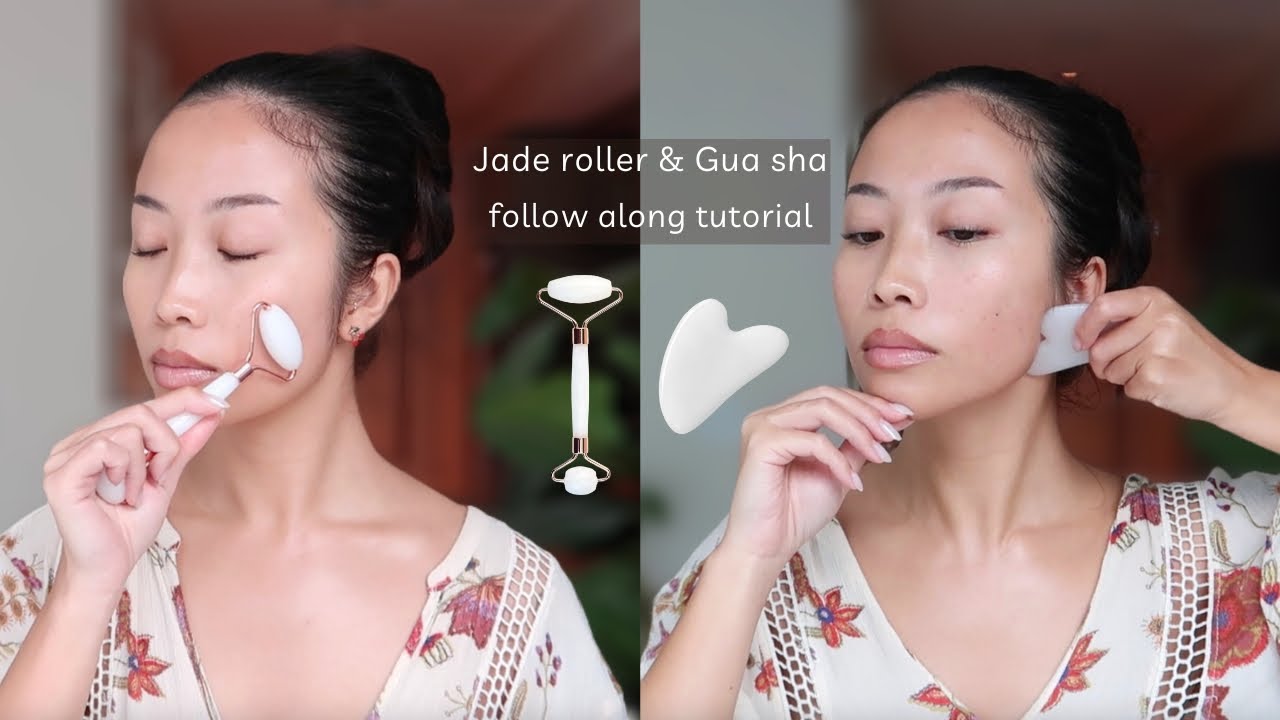
How to Use a Jade Roller on Your Neck: Complete Guide
Updated June 2026 | The neck is where jade rolling begins — and where most people get it wrong. Learn the correct direction, pressure, and technique for maximum lymphatic benefit.
Most jade roller tutorials focus on the face — but the neck is where the actual lymphatic drainage journey begins. Starting at the neck isn't optional; it's the correct anatomical approach. Here's how to do it without hurting yourself.
Why You Must Start at the Neck
The lymphatic system doesn't have a pump like the circulatory system does. It relies on muscle movement and external pressure to push fluid toward the clavicle, where it drains into the bloodstream. When you start on your cheeks, you're pushing fluid around your face — but never actually draining it. Starting at the neck and working upward is the difference between effective lymphatic drainage and expensive massage with no real result.
Gudrun Snyder, acupuncture practitioner and founder of Moon Rabbit Acupuncture, confirms: "The key is to always roll upwards, never downwards on the face. But on the neck, you roll downward — toward the lymph nodes at the clavicle — to actually drain the fluid."
Neck Rolling: Step by Step
Step 1: Position the Roller
Place the large end of your jade roller at the back of your neck, slightly off to one side of your spine. The roller should be oriented vertically (top of roller pointing toward the top of your head).
Step 2: Roll Downward
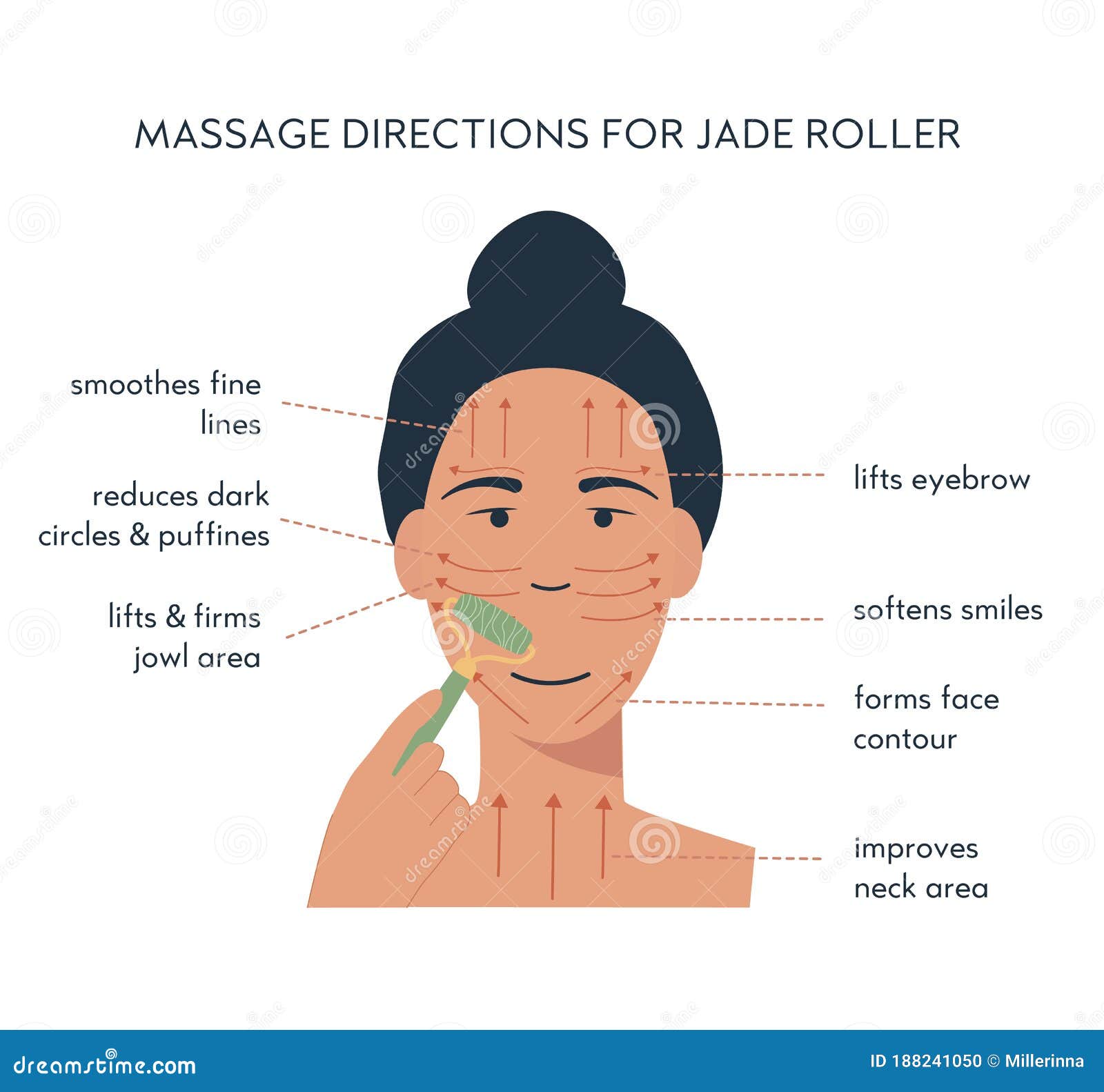
Roll gently downward — toward your shoulders and then toward the hollow at the base of your throat (the suprasternal notch). This direction follows the lymphatic pathway. Roll slowly, about 3-5 times per section before moving to the next area.
Step 3: Work Both Sides
Repeat on the other side of your neck. The left and right lymphatic pathways drain independently, so you need to work both sides. Don't skip from one side directly to the other without completing the drainage path.
Step 4: Move Up to the Jawline
Once you've completed 3-5 rolls on each side of the neck, move to the jawline. Using the small end of the roller, glide along the underside of your jaw from chin to ear — this continues the upward drainage path. Never roll downward on the face itself.
Five Mistakes That Undermine Your Neck Rolling
Rolling upward on the neck — this pushes fluid back toward your head instead of draining it. Neck always rolls down; face always rolls up.
Skipping the neck entirely — jumping straight to cheeks means the fluid has nowhere to go. The neck is the drainage highway.
Pressing too hard — let the stone's weight do the work. Pressing hard on the neck can damage delicate blood vessels and capillary beds.
Rushing through it — each neck roll should take 2-3 seconds per stroke. Fast rolling is just friction without function.
Rolling over the Adam's apple — avoid the central throat area where the thyroid gland is located. Work to the sides of the neck, not directly on the front.
What Your Neck Gets Out of This
Beyond facial drainage, neck rolling addresses tension that most people carry without realizing it. Screen time, talking, and stress cause the sternocleidomastoid and trapezius muscles to contract. Regular neck rolling with a jade roller:
- Releases tension in the neck and shoulder muscles
- Reduces the appearance of neck lines over time
- Supports the lymphatic pathway that drains your entire face
- Relieves the "tech neck" soreness from screen use
Frequently Asked Questions
Should I use the large or small end on my neck?
Always use the large end for the neck. The larger surface area distributes pressure more evenly over the muscle groups. The small end is reserved for the under-eye area and precision work around the nose.
How many times should I roll each section?
3-5 slow rolls per section is ideal. More than that on the same spot can cause irritation; fewer may not effectively move the lymphatic fluid. Quality of stroke matters more than quantity.
Can I roll my neck if it hurts?
If you feel sharp pain, stop. Some soreness from releasing tension is normal, but sharp or electric pain indicates nerve compression. Gentle, upward strokes from shoulders to neck — never the opposite — is the safer approach.