You've been jade rolling for a week and wondering why your face feels tender afterward. The real issue? Most people press way too hard. After talking to dermatologists and reviewing the latest expert guidelines, here's everything you need to know about finding the right pressure.
Every dermatologist who has spoken publicly on jade rollers agrees on one thing — light pressure is non-negotiable. Dr. Ava Shamban, board-certified dermatologist, puts it plainly: "The goal is gentle massage, not deep tissue work. You're stimulating the skin, not kneading bread dough."
The jade roller is designed to work with the lymphatic system, which sits just beneath the skin's surface. This isn't deep muscle tissue — it's a network of fluid channels that respond to gentle touch. Heavy pressure doesn't accelerate results. If anything, it can push fluid further into tissues you don't want it to go.
"Think of it like petting a cat — you want a gentle, gliding touch, not a firm massage. If your skin is turning red, you're already pressing too hard." — Dr. Jessie Cheung, dermatology expert
It's alarmingly easy to over-press without realizing it. Here are the clear signals to watch for:
Your jade roller should feel like a cooling, soothing experience. If you're wincing or your face looks flushed for an hour afterward, something is wrong — and it's almost certainly the pressure.
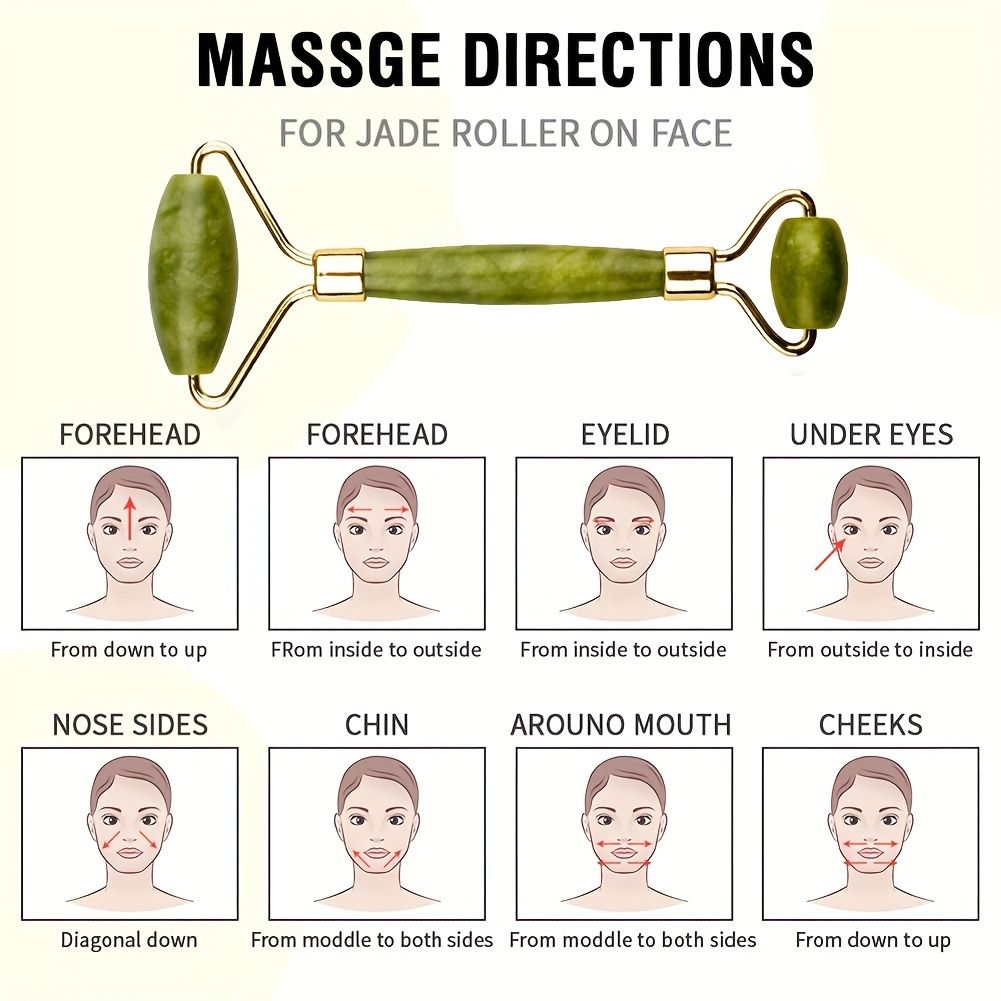
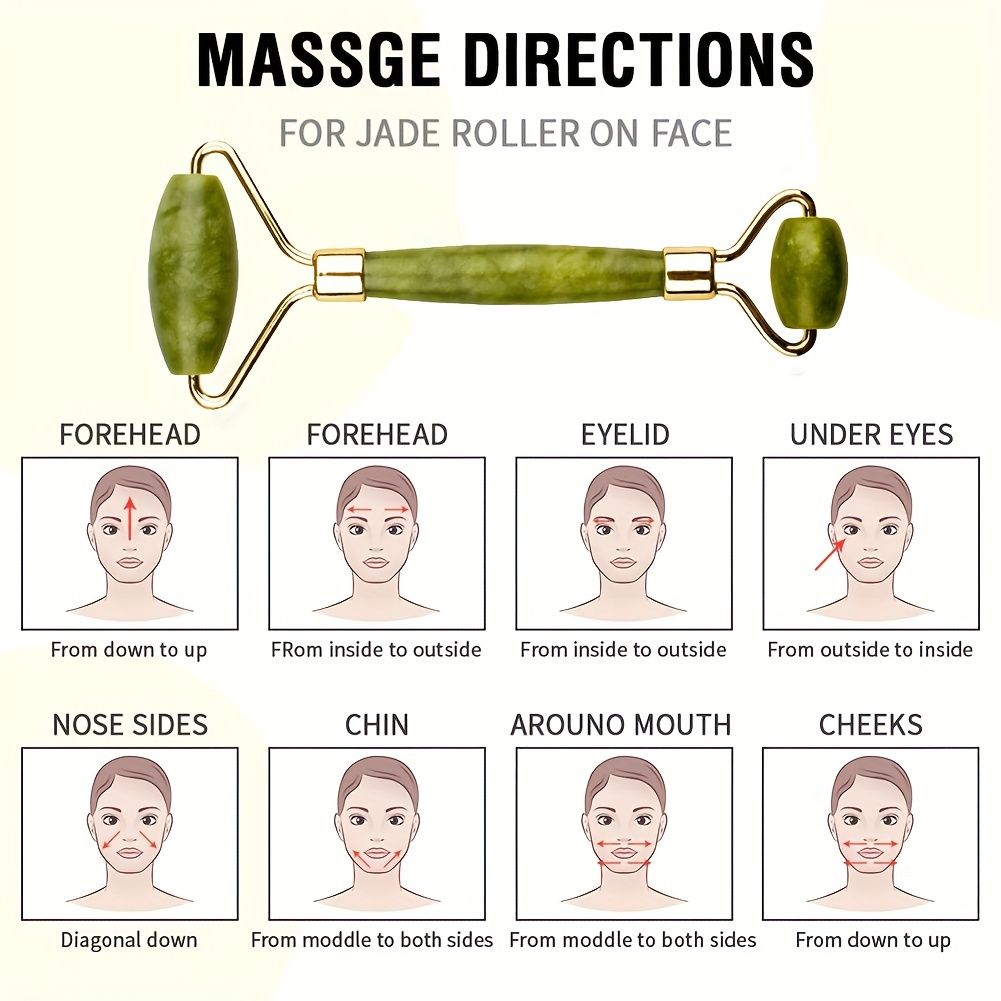
Different parts of your face require different levels of gentleness. Here's the breakdown:
The forehead and cheekbone area has the thinnest skin on your face. Roll with barely any pressure — let the weight of the roller do the work. Move in an upward and outward direction from the center of your face.
The skin under your eyes is extremely delicate. If using a jade roller here, use the smaller end of a dual-ended roller and press extremely lightly. Many experts recommend skipping the under-eye area entirely if you're new to jade rolling. A dedicated eye roller tool is a safer choice for this zone.
The neck has slightly more resilient skin. You can use marginally more pressure here when sweeping upward toward the jaw, but still keep it gentle. Never press downward on the neck — always upward to follow lymphatic flow.
Your skin's state changes throughout the day, and so should your approach:
| Time of Day | Pressure Approach | Why It Matters |
|---|---|---|
| Morning | Lightest — focus on cooling de-puff | Skin is already slightly swollen from overnight fluid retention. Use gentle upward strokes to encourage lymphatic drainage without stressing the skin. |
| Evening | Light to medium — focus on relaxation | After a long day, facial muscles are tense. You can use slightly more pressure around the jaw and temples to release tension, but still keep it gentle overall. |
| Post-Workout | Very light — cooling only | Skin is flushed and warm. Don't add more heat or friction. A cool, light roll helps bring skin temperature back down. |
More isn't better here. The consensus among skincare professionals is:
Consistency beats intensity. Using your jade roller twice daily with light pressure for two weeks will deliver better results than pressing hard once every few days.
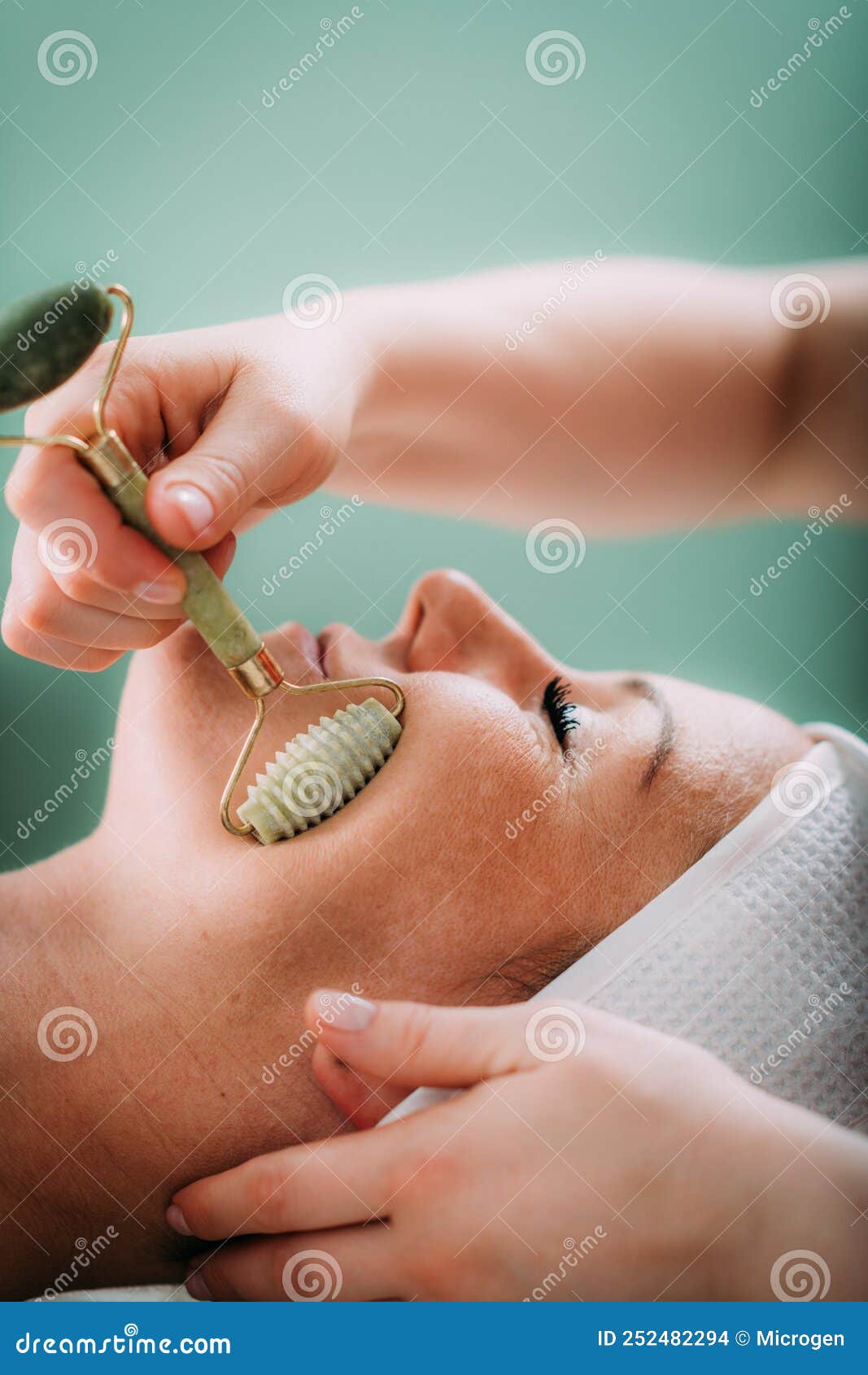
Jade rolling is not a massage — it's a gliding technique. The roller should barely touch your skin. If you feel the need to "press" or "push," you're going too hard.
Always roll upward and outward from the center of your face. Rolling downward pushes fluid into areas you don't want it to accumulate, making puffiness worse.
While you do need some slip, too much product reduces the sensory feedback that tells you if you're pressing too hard. Use a thin layer — enough for the roller to glide smoothly, not slide.
Don't go over the same area more than 5-10 times. Over-stimulation in one spot can cause capillary damage even if pressure feels light.
Never use a jade roller on dry skin — the friction can cause micro-tears and irritation. Always apply a serum or facial oil first.
The most important benchmark: your jade rolling session should feel relaxing, not therapeutic. If you're sore, red, or tender afterward, something in your technique needs to change — almost always the pressure.