Real Jade Roller vs Fake: How to Tell the Difference
Updated May 2026 | The growing popularity of jade rollers has brought a flood of imitations onto the market. Learn how to identify genuine nephrite jade and avoid wasting your money on worthless fakes.
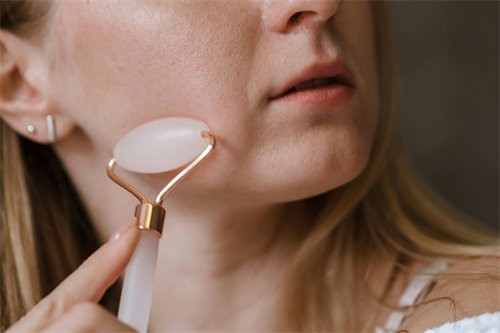
Authentic nephrite jade rollers have a distinctive weight, coolness, and smooth polish that imitations cannot replicate.
⚠️ Disclaimer
This article is for informational purposes only. Jade rollers are skincare tools, not medical treatments. If you have specific skin conditions, consult a dermatologist before incorporating any new skincare tool into your routine.
The jade roller market has exploded in recent years, and with that growth has come an overwhelming number of fakes. estimates suggest that up to 60-70% of jade rollers sold online may be made from materials other than genuine nephrite jade. From plastic resin to dyed marble to reconstituted stone, the fakes have become increasingly sophisticated.
Why does this matter? A genuine nephrite jade roller offers the temperature retention, density, and smooth texture that make the tool effective for de-puffing and lymphatic drainage. Fake versions not only lack these benefits — they may contain dyes, plastics, or adhesives that irritate your skin. This guide gives you the definitive methods to identify authentic jade.
Real nephrite jade has natural color variation and depth
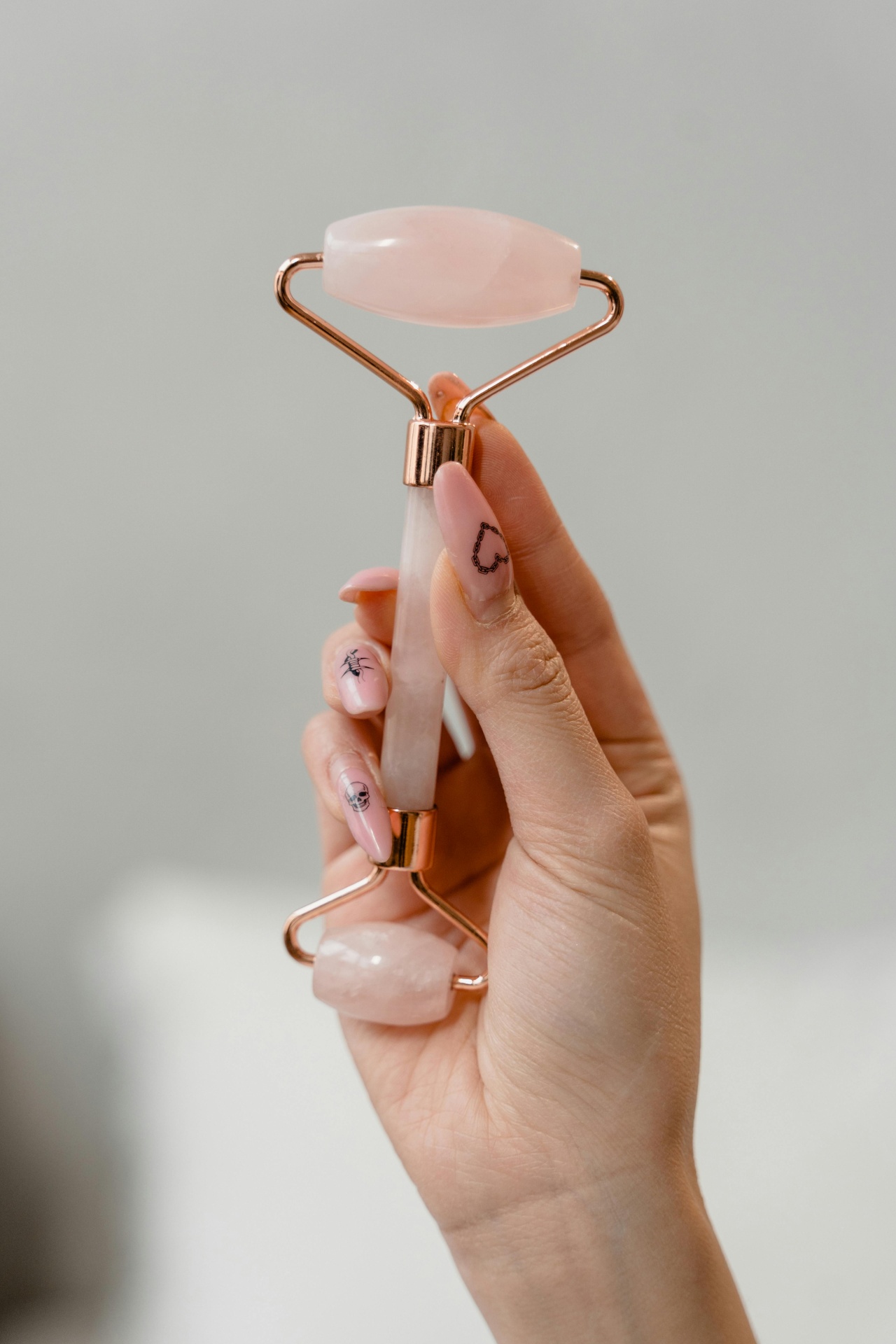
Light transmission test reveals authentic jade's fibrous structure
Why Authentic Jade Matters
Before diving into identification methods, it helps to understand what makes nephrite jade special — and why fakes can't replicate its properties.
💚 Real Nephrite Jade
- Density: Nephrite is one of the toughest naturally occurring materials, with a dense, fibrous crystal structure
- Temperature retention: Holds cold or warmth for extended periods — essential for effective de-puffing
- Chemical stability: Non-reactive, non-porous surface that won't leach dyes or chemicals into skin
- Durability: Can last a lifetime with proper care; naturally resists chips and scratches
- Weight: Has a satisfying heft that matches its density
⚠️ Fake Jade (Common Materials)
- Plastic/resin: Lightweight, warms quickly to skin temperature, may contain BPA and other toxins
- Dyed marble or serpentine: Often porous, can bleed dye onto skin, lacks jade's density
- Reconstituted stone: Ground stone mixed with adhesives; inconsistent hardness, can flake or chip
- Glass: Too smooth (almost slick), no weight, shatters on impact
- Dyed quartz: Color sits on surface rather than throughout; fades quickly
The Bottom Line
A fake jade roller won't give you the cooling effect that makes the tool worthwhile. Worse, cheap materials can degrade over time, potentially releasing irritants onto your face. Our guide to nephrite's temperature properties explains why authenticity directly affects performance.
How to Test Authenticity: 7 Reliable Methods
You don't need laboratory equipment to determine if a jade roller is real. These seven tests — ranging from simple observation to a few household items — will reveal the truth.
Test 1: The Temperature Test
What to do: Place your jade roller in the refrigerator for 10-15 minutes, or leave it at room temperature for an hour. Then touch the stone.
Authentic jade: Feels genuinely cool to the touch and stays cool for several seconds before slowly warming. This is because nephrite's density slows heat transfer.
Fake jade: Quickly reaches ambient temperature — plastic warms almost instantly, glass feels cold but then warms rapidly.
Why it works: Nephrite jade has low thermal conductivity despite being dense. This unique combination can't be replicated by plastic or glass. This is the science behind jade's cooling advantage.
Test 2: The Weight Test
What to do: Hold the jade roller in your hand and gauge its weight. If possible, compare it against a known authentic piece of similar size.
Authentic jade: Has a substantial, grounding weight. A standard facial roller should feel noticeably heavy in the hand — not light.
Fake jade: Plastic and resin rollers are noticeably lightweight. Glass feels heavier at first but lacks the "organically heavy" feel of nephrite.
Note: This test works best with experience. Handle authentic jade rollers first if you can — at a store, a friend's house, or even by visiting a museum.
Test 3: Visual veining and Inclusions
What to do: Examine the jade under bright light. Turn it slowly and look for variations in color and texture.
Authentic jade: Nephrite jade typically shows subtle color variations, fine fibrous patterns, and small natural inclusions. No two pieces are identical. The color should appear to come from within the stone, not sit on the surface.
Fake jade: Plastic often has a uniform, flat appearance with no depth. Dyed materials may show color concentrating in cracks or veins. Reconstituted stone may display unnatural, consistent patterns throughout.
Test 4: The Scratch Test
What to do: Using a utility knife or steel needle, gently try to scratch an inconspicuous area of the roller (not the polished face — perhaps the handle's underside).
Authentic jade: Nephrite jade (6-6.5 on the Mohs scale) is harder than steel and won't scratch easily. A steel needle won't leave a mark.
Fake jade: Plastic scratches instantly and easily. Glass may resist scratching but can chip instead. Marble and serpentine scratch with little pressure.
Caution: Only test on an inconspicuous area. Press gently — you're testing the material's hardness, not trying to damage the roller. This test may not be suitable for high-value or antique pieces.
Test 5: The Sound Test (Tap Test)
What to do: Tap the jade roller lightly against a glass bowl or a piece of hard wood. Listen carefully to the sound.
Authentic jade: Produces a soft, muted "clunk" rather than a ring. The dense structure absorbs sound rather than resonating it.
Fake jade: Glass produces a sharp, ringing sound. Plastic produces almost no sound at all (a dull thud). Reconstituted stone may sound inconsistent — dense in some spots, hollow in others.
Test 6: The Light Transmission Test
What to do: Hold the jade roller up to a bright light source (natural sunlight or a strong flashlight). Look at the light coming through the stone.
Authentic jade: Nephrite jade is translucent but doesn't allow bright light to pass through uniformly. You may see subtle, fibrous patterns lit from within — but it won't be transparent like glass.
Fake jade: Glass transmits light evenly and appears clear or uniformly colored. Plastic may not transmit light at all (appears opaque throughout). Dyed materials may show uneven color concentration.
Test 7: Price and Source Verification
What to do: Research the seller and compare prices. Be skeptical of deals that seem too good to be true.
Authentic indicators: Sellers who provide detailed sourcing information (specific mines in Myanmar, Xinjiang, or British Columbia), gemological certifications, or lab reports from third parties. Prices that reflect quality — a legitimate jade roller typically costs $25-100+ depending on size, quality, and brand.
Warning signs: Prices under $10-15 for a "genuine jade" roller almost always indicate fake materials. Sellers with no physical address, generic product photos that appear to be stock images, or those making vague claims like "100% jade" without specifying nephrite vs. jadeite.
Pro tip: If a seller can't tell you whether their jade is nephrite or jadeite, or can't specify the geographic origin, be suspicious. These are basic questions a legitimate jade dealer should be able to answer.
Quick Comparison: Real vs Fake Jade Roller
| Test | Real Nephrite Jade | Fake (Plastic/Glass/Stone) |
|---|---|---|
| Temperature feel | Stays cool; slow to warm | Warms quickly to skin temp |
| Weight | Substantial, grounding | Light (plastic) or oddly heavy (glass) |
| Surface texture | Smooth but with natural variation | Uniform, potentially slick or waxy |
| Color depth | Color from within; subtle variations | Surface color; may fade or bleed |
| Scratch resistance | Resists steel needle | Scratches easily (plastic) or chips (glass) |
| Sound (tap test) | Muted, soft thud | Ringing (glass) or near-silent (plastic) |
| Price expectation | $25-100+ for quality piece | Often under $15-20 |
Common Fake Materials to Watch For
Knowing what fakes are made of helps you understand what to look for. Here are the most common jade roller imposters:
🔹 Plastic and Resin
The most common fake. Often marketed as "jade roller" but made from ABS plastic, acrylic, or epoxy resin. Can be molded into any shape and colored to look like jade. Lightweight, warms instantly to skin temperature, and may contain BPA or other toxic compounds.
Identification: Noticeably light weight, no cool feeling, scratch easily with a fingernail.
🔹 Dyed Marble or Serpentine
Natural stones that are neither nephrite nor jadeite but have a similar color. Dyed to enhance or uniform the green color. The dye can bleed onto skin, especially when wet or with prolonged use. Less dense than nephrite and doesn't hold temperature as well.
Identification: Color may appear concentrated in cracks or veins. May scratch more easily than real jade.
🔹 Reconstituted Stone
Ground stone fragments (often quartz, granite, or other materials) mixed with polymer adhesives and pressed into molds. The resulting material looks like stone from the outside but lacks the internal structure of natural jade. Can chip, flake, or delaminate over time.
Identification: May feel inconsistent — some areas harder than others. The surface may have small pits or bubbles visible under magnification.
🔹 Glass
Sometimes used for roller massage tools marketed as "crystal rollers." While glass is smooth, it lacks jade's density and thermal properties entirely. It also shatters on impact — a serious concern for facial tools.
Identification: Glass is transparent or uniformly translucent. Tapping produces a sharp, ringing sound. It warms to skin temperature almost immediately.
🔹 "Jadeite" Misrepresentation
Less common but still problematic: some sellers call their materials "jadeite" when they're actually other stones. Jadeite (a separate mineral from nephrite) is rarer and more expensive — most jade rollers are made from nephrite. Be wary of sellers who claim "jadeite" at very low prices.
Identification: True jadeite is extremely rare in roller form and would cost several hundred dollars minimum. If the price seems too low for jadeite, it's likely mislabeled nephrite — or not jade at all.
Where to Buy Authentic Jade Rollers
Finding a reputable source is as important as identifying fakes. Here's where to look — and where to avoid:
✅ Reliable Sources
- • Specialist jade or skincare tool retailers with established reputations
- • Stores that can provide specific origin information (Myanmar, Xinjiang, BC)
- • Sellers offering third-party gemological testing or certification
- • Brands with transparent manufacturing and sourcing information
- • User reviews that specifically mention quality, weight, and durability
❌ Sources to Avoid
- • Marketplace listings with only stock photos and no specific details
- • Prices that seem impossibly low ($5-10 for a "genuine" roller)
- • Sellers who can't explain the difference between nephrite and jadeite
- • Listings using vague language: "jade-like," " jade stone," " jade essence"
- • No return policy or customer support
Not sure where to start? Our beginner's guide to jade rollers includes recommendations for reputable brands and what to look for in quality. Compare jade vs. rose quartz if you're also considering alternative materials.
Caring for Your Authentic Jade Roller
Once you've found a genuine jade roller, proper care ensures it lasts a lifetime:
- 🧼 Clean regularly: Wipe with a soft, dry cloth after each use. For deeper cleaning, use mild soap and lukewarm water — never harsh chemicals.
- ❄️ Store properly: Keep in a cool, dry place. Some users store theirs in the refrigerator for an enhanced cooling effect.
- 🛡️ Protect from impacts: While nephrite is durable, dropping it on hard surfaces can cause chips or cracks. Use a padded pouch or case when traveling.
- 🚫 Avoid heat: Don't leave your jade roller in direct sunlight or hot environments for extended periods. Extreme temperature changes can stress the stone.
- 💆 Use consistent technique: Gentle, upward strokes from neck to forehead. Don't press too hard — let the weight of the roller do the work.
Final Thoughts: Trust Your Senses
Identifying real jade from fake comes down to understanding what genuine nephrite feels, looks, and sounds like. The temperature retention, weight, and subtle natural variation in real jade are difficult — if not impossible — to replicate perfectly in fakes.
If you're new to jade rollers, take time to handle authentic pieces before purchasing. Visit a specialty store, museum, or gallery that displays jade carvings. Build your reference point. Once you've felt the cool, dense, grounding weight of real nephrite jade, you'll instantly recognize the difference.
A genuine jade roller is an investment in your skincare routine. Don't settle for imitations that won't deliver the cooling, de-puffing benefits that make jade rolling worthwhile. Bookmark our guide and use these tests whenever you're shopping for a new jade roller.
Continue Reading
What is a Jade Roller? A Beginner's Complete Guide →
New to jade rolling? Start here for everything you need to know about getting started.
Why Nephrite Stays Cold Longer Than Other Stones →
The science behind jade's superior temperature retention and what it means for your routine.
Are Jade Rollers Worth Buying? Science-Backed Answer →
An evidence-based look at whether jade rolling actually delivers on its promises.
Jade vs Rose Quartz Roller: Pros & Cons →
Compare the two most popular roller materials and decide which is right for you.