Real vs Fake Jade Roller: How to Spot the Difference
Updated 2026 | Worried about buying a fake jade roller? Learn how to spot the difference between real and fake jade rollers with practical, expert-backed tests. Discover visual, texture, temperature, and price clues to ensure you get authentic jade.
Disclaimer
This guide is for general educational purposes only and does not constitute professional skincare or medical advice. Always consult a licensed dermatologist or skincare professional before using any new tool or technique on your skin.
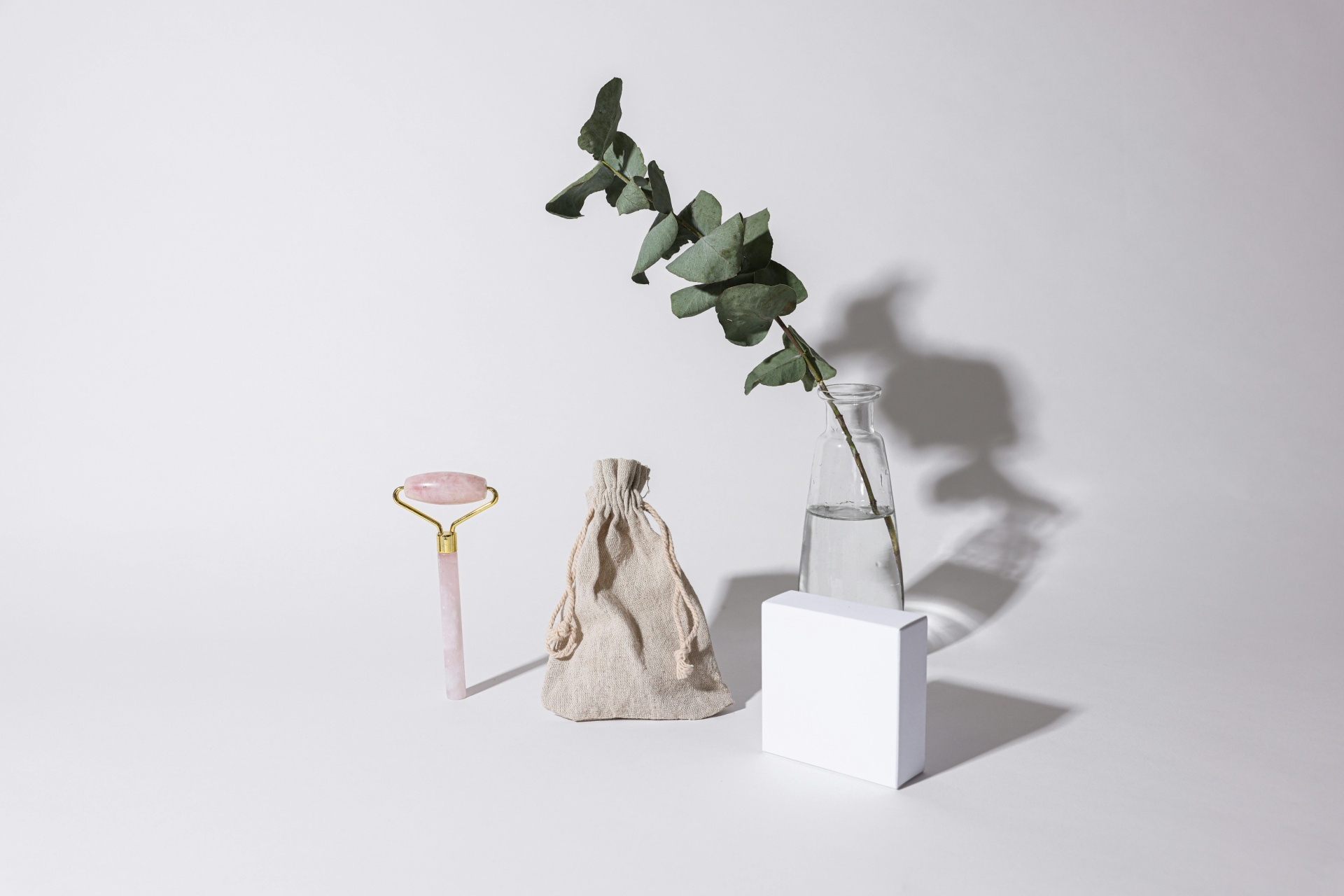
You just unboxed your new jade roller, excited for that cooling, de-puffing facial massage. But something feels off — the stone looks too uniform, feels oddly warm, or the price was almost too good to be true. That nagging thought creeps in: is this even real jade? You're not alone. With the popularity of jade rollers skyrocketing, the market has been flooded with fakes made from dyed glass, plastic, or low-grade serpentine. I've been testing and reviewing jade rollers for years, and I've seen every trick in the book. This guide will walk you through the exact steps to tell a genuine jade roller from a counterfeit — no gemology degree required.
Transparency note:
This guide is based on hands-on experience and widely accepted identification techniques for jade and its common imitations. It does not replace a professional gemological appraisal. If you suspect a product is counterfeit, contact the seller or a certified gemologist. JadeGuide may earn a commission from some links, at no extra cost to you.
Why spotting a fake jade roller matters more than you think
A genuine jade roller isn't just about aesthetics. Real jade — typically nephrite or jadeite — has natural cooling properties that help reduce puffiness and soothe skin. A fake roller made from dyed glass or resin can leach chemicals, harbor bacteria in microscopic cracks, and simply doesn't deliver the same thermal benefit. Moreover, if you're investing in a skincare tool, you deserve to get what you paid for. Understanding the difference also connects you to the history of jade rollers, a practice rooted in centuries of tradition, not mass-produced plastic.
From a practical standpoint, fake rollers often break more easily or develop rough edges that can scratch your skin. I once had a reader send me photos of a "jade" roller that started chipping after two weeks — it turned out to be coated glass. Don't let that be you.
Visual and texture inspection: the first line of defense
The moment you hold the roller, your eyes and fingers can give you a lot of information. Real jade is never perfectly uniform. Even high-quality nephrite has subtle variations in color, tiny mineral inclusions, or slightly wispy patterns. If the stone looks flawless — absolutely identical on both ends, with no natural markings — that's a red flag. Fakes are often made from dyed glass or resin poured into a mold, resulting in a too-perfect appearance.
Texture matters. Genuine jade feels smooth but not slippery. It has a slightly waxy, almost "grippy" sensation when you run your finger over it. Glass imitations feel slick and unnaturally smooth, while plastic imitations are obviously lightweight and sometimes warm to the touch right out of the box. If you're familiar with what real jade feels like, the difference is immediate. If you're new to this, I suggest reading our beginner's guide to jade rollers to train your eye.
The temperature and weight test: two telltale signs
Real jade is naturally cool to the touch, even at room temperature. Place the roller against your inner wrist or cheek. It should feel distinctly cool for a few seconds before gradually warming up. Glass imitations also feel cool, but they tend to warm up faster because they lack the thermal density of genuine stone. Plastic or resin rollers won't feel cool at all — they'll be room temperature immediately.
Weight is another dead giveaway. Jade is dense. A standard full-size jade roller should feel satisfyingly heavy in your hand. If it feels suspiciously light, it's likely plastic or a hollow metal core with a thin stone veneer. Compare it with another known genuine stone object if possible. I've personally handled rollers that looked perfect but weighed half as much as an authentic one — immediate confirmation of a fake.
Sound and scratch tests (use with caution)
Here's a test I use only on a small, inconspicuous area, like the very edge of the roller head where it meets the metal bracket. Gently tap the stone with a metal object — a key or a coin. Real jade produces a clear, almost bell-like ringing sound due to its density and crystalline structure. Glass gives a duller "clink," and plastic sounds, well, like plastic. This isn't foolproof, but combined with other checks, it helps.
As for a scratch test, real jade is tough. Nephrite jade scores around 6-6.5 on the Mohs hardness scale, meaning it won't easily scratch with a steel knife or pin. If you gently try to scratch an underside area (not visible during use) and it leaves a mark, you're likely dealing with a softer fake material like serpentine or coated plastic. But be cautious: some high-quality imitations are also hard, and you don't want to damage a potentially genuine piece. Use this as a last resort.
Price, packaging, and certifications: what to look for
If the price seems too good to be true, it almost certainly is. Authentic jade rollers, even budget-friendly ones, rarely dip below $15–$20 for a basic nephrite model. If you see a roller advertised as "genuine jade" for under $10, skepticism is warranted. That doesn't mean expensive always equals real, but it's a strong signal. Check our roundup of affordable jade rollers under $20 that actually work to see what real budget options look like.
Look for packaging that includes clear material disclosures. Reputable brands will state "nephrite jade," "xiuyan jade," or "jadeite" — not vague terms like "natural stone" or "green jade stone." Some high-end rollers come with a certificate of authenticity from a gemological lab, though this is more common for jadeite pieces. If the packaging has misspellings, no brand information, or claims that seem exaggerated, walk away.
Quick tip:

When shopping online, filter reviews for photos from verified buyers. Real jade rollers in customer photos often show slight color variation, while fakes look suspiciously identical across every image.
Where to buy genuine jade rollers (and how to avoid counterfeits)
Your safest bet is to buy directly from established skincare brands, reputable marketplaces with strong buyer protection, or specialty jade retailers. Avoid social media ads that push heavily discounted "jade" rollers with no brand history. I've seen too many people lured by Instagram deals only to receive dyed quartz. If you're torn between different stone types, our comparison of jade vs rose quartz roller can help you decide, but always verify authenticity first.
Once you get your roller, proper care also extends its life. Real jade needs gentle cleaning — check our step-by-step cleaning guide to keep it hygienic without damaging the stone.
Your 60?second authenticity checklist
Run through these points whenever you unbox a new jade roller. If more than one check fails, you're likely holding a fake.
- ✓ Stone has subtle color variations, not perfectly uniform
- ✓ Feels noticeably cool on skin for several seconds
- ✓ Heft is satisfying; roller has noticeable weight
- ✓ Smooth, slightly waxy texture, not slippery like glass
- ✓ Packaging states a specific jade variety, not vague "stone"
- ✓ Brand has verifiable reputation and real customer photo reviews
Spotting a fake jade roller comes down to engaging your senses — sight, touch, and even hearing — and pairing those observations with a critical look at price and packaging. I've used these methods to weed out counterfeits for years, and they've never let me down. If you're still unsure about a roller you own, take it to a local jeweler or gemologist; the peace of mind is worth the visit.
Now you're equipped to make a confident purchase. And if skincare tools fascinate you as much as they do me, explore our other in?depth comparisons and guides — because your skin deserves the real deal.