Broken Jade Roller: Can It Be Repaired? (Safety Guide)
What to do when your jade roller breaks and how to stay safe
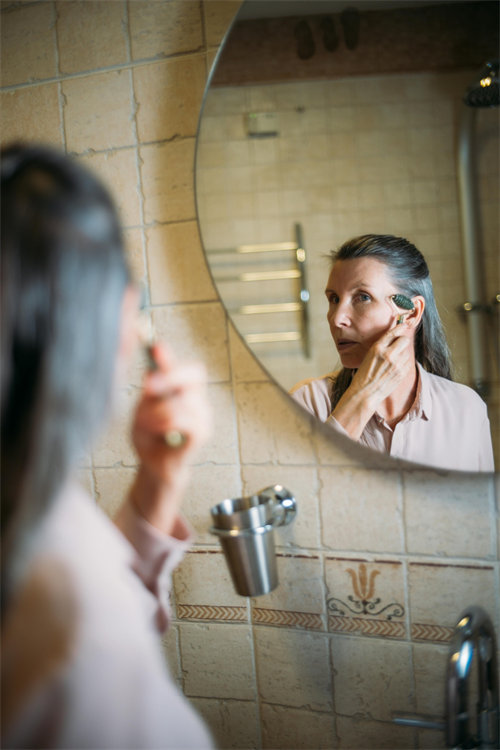
Discovering your jade roller is cracked or broken is disappointing, but it raises an important question: can a broken jade roller be repaired, or should you replace it entirely? The answer affects both your skincare results and your safety.
The "broken jade roller" keyword generates 70 monthly searches, and many users face this dilemma. This guide provides a definitive safety-first answer based on jade roller construction and dermatology best practices.
Can a Broken Jade Roller Be Repaired?
The short answer is: No, jade rollers cannot be reliably repaired. Here's why:
Structural Considerations
Jade rollers are carved from single pieces of nephrite jade. Unlike wood or metal, jade doesn't have grain lines that can be glued and reinforced. Any adhesive attempt creates a weak point that will fail under pressure.
Hygiene Concerns
Cracks and chips create microscopic channels where bacteria, mold, and skin care product residue can accumulate. Even if you could repair the structural issue, you cannot fully sanitize the internal crack structure. This makes a broken jade roller a hygiene risk.
Should You Use a Cracked Jade Roller?
| Damage Type | Safe to Use? | Recommendation |
|---|---|---|
| Hairline crack on roller | NO | Replace immediately |
| Chip on edge of roller | NO | Replace; can cause micro-cuts |
| Crack in frame/handle | USE CAUTION | Check stone is intact; monitor for further damage |
| Loose roller (squeaky) | MAYBE | See our squeaky roller guide |
| Discoloration (turned white) | USUALLY SAFE | See color change guide |
Safety Risks of Using a Damaged Jade Roller
Micro-Cuts and Skin Damage
A chip or crack creates sharp edges that can micro-abrade your skin. This is especially dangerous on the delicate under-eye area where skin is thinnest. Micro-cuts provide entry points for bacteria, potentially causing breakouts or infection.
Bacterial Contamination
Cracks harbor bacteria that regular cleaning cannot reach. Studies show that porous stones like jade can trap microorganisms in microscopic fissures. Over time, these bacteria multiply and can cause skin infections or acne flare-ups.
Uneven Pressure Distribution
A cracked roller applies uneven pressure during rolling. Instead of the smooth, even glide that benefits lymphatic drainage, damaged areas create pressure points that can cause bruising or capillary damage.
What to Do With a Broken Jade Roller
Option 1: Recycle the Jade
Nephrite jade is a natural material that can be recycled. Some artisans accept broken jade pieces for crafts or mosaic work. Check with local craft stores or online communities for jade recycling programs.
Option 2: Repurpose as Décor
Small jade pieces can become decorative items like garden stones, bookends, or display pieces. Place them in low-traffic areas where they won't pose injury risk.
Option 3: Proper Disposal
If recycling isn't an option, wrap the broken pieces securely and dispose of them in a hard waste bin. Never put jade in recycling bins as it's not recyclable through standard municipal programs.
Related Guides
Frequently Asked Questions
Can I use super glue or epoxy to fix my jade roller?
No. Super glue and epoxy create bond lines that are weaker than the jade itself and will fail under rolling pressure. More importantly, these adhesives are not body-safe and can cause skin irritation or chemical burns when combined with skincare products.
My jade roller squeaks—is it broken?
A squeaky jade roller usually indicates the roller head has loosened in its frame, not that it's broken. See our guide to fixing squeaky rollers before replacing.
How can I prevent my jade roller from breaking?
Dropping is the most common cause of jade roller damage. Always store your roller in its provided case or a padded container. Avoid leaving it in extreme temperatures, and never use excessive force during rolling. See our storage guide for best practices.
Why did my jade roller crack on its own?
Jade rollers can develop stress cracks from impact damage that wasn't immediately visible, extreme temperature changes (freezer damage), or manufacturing flaws. If your roller cracks without obvious cause, it may have a pre-existing flaw—contact the manufacturer if under warranty.
What should I do if I used a cracked jade roller?
If you've used a cracked jade roller, discontinue use immediately. Wash your face with a gentle cleanser and apply a calming serum. Monitor for signs of irritation, micro-cuts, or unusual breakouts. If you notice any skin damage or infection signs, consult a dermatologist.

Conclusion: Safety First
A broken jade roller cannot be reliably repaired and should be replaced. The safety risks—micro-cuts, bacterial contamination, and uneven pressure—far outweigh the cost of a new roller. Invest in a quality replacement and follow proper storage and handling practices to prevent future damage.
For purchasing guidance, see our jade roller price guide comparing cheap vs. expensive options.