Can You Use a Jade Roller Dry? Techniques, Tips, and When to Use Serum
Updated May 2026 | The complete guide to dry jade rolling vs. wet/serum-assisted rolling — which method delivers better results, when each is appropriate, and how to master both techniques.
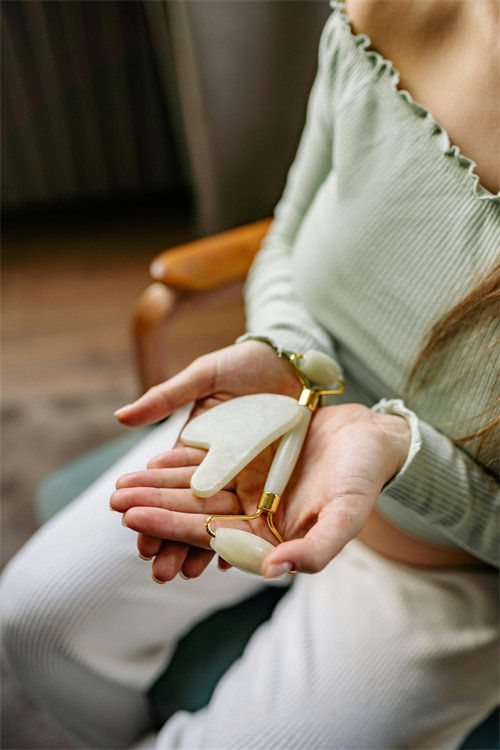
Dry jade rolling is possible — but technique matters enormously.
⚠️ Disclaimer
This guide is for educational purposes only. Individual skin reactions vary. If you experience redness, irritation, or discomfort during any rolling technique, discontinue use and consult a skincare professional.
One of the most common questions about jade rolling is deceptively simple: can you use a jade roller on dry skin? The answer is more nuanced than a simple yes or no — and understanding the difference between dry rolling and serum-assisted rolling is key to getting the most out of your jade roller.
Both techniques are valid, but they're suited to different situations and deliver different outcomes. This guide breaks down exactly when to use each, the benefits and drawbacks of each method, and the correct technique for dry rolling if that's what you prefer.
Dry Rolling vs. Serum Rolling: What's the Difference?
Serum/Wet Rolling
Rolling with a water-based serum, oil, or mist applied to the skin. The product acts as a lubricant and the roller helps press actives deeper into the skin.
- ✅ Best for active ingredient delivery
- ✅ Glides smoothly, no friction
- ✅ Hydrates while rolling
- ✅ Better for dry or mature skin
- ❌ Product waste if excess is used
- ❌ Can cause pilling with some serums
Dry Rolling
Rolling directly on clean, dry skin without any product. Focuses purely on mechanical stimulation of circulation and lymphatic drainage.
- ✅ Pure mechanical benefits only
- ✅ No product interaction or conflict
- ✅ Good for midday refresh
- ✅ Useful when products aren't available
- ⚠️ Requires very light pressure
- ⚠️ Not suitable for dry/dehydrated skin
When Dry Rolling Is Perfectly Fine
Dry rolling isn't wrong — it's just a different tool with different use cases. Here are situations where dry rolling makes sense:
🏃♀️ Quick Morning Refresh (2-3 minutes max)
When you're short on time and just want a quick circulation boost before makeup, dry rolling on clean skin for 2-3 minutes can help depuff. Keep pressure very light.
🌡️ Hot Weather / Sweaty Skin
In hot climates or during summer months, adding more product to already-sweaty skin can cause congestion. Dry rolling helps stimulate circulation without trapping moisture.
🚿 Post-Shower (On Damp Skin)
Damp skin (not wet, not dry) provides enough natural lubrication for a brief dry rolling session. The slight moisture acts as a natural serum. This works best when skin is already clean from showering.
🧴 Sensitive Skin / Rosacea Flare Recovery
When using active skincare products that have sensitized your skin (retinol, AHAs, etc.), dry rolling without additional products can provide mechanical stimulation without compounding irritation. Keep it to 2 minutes maximum.
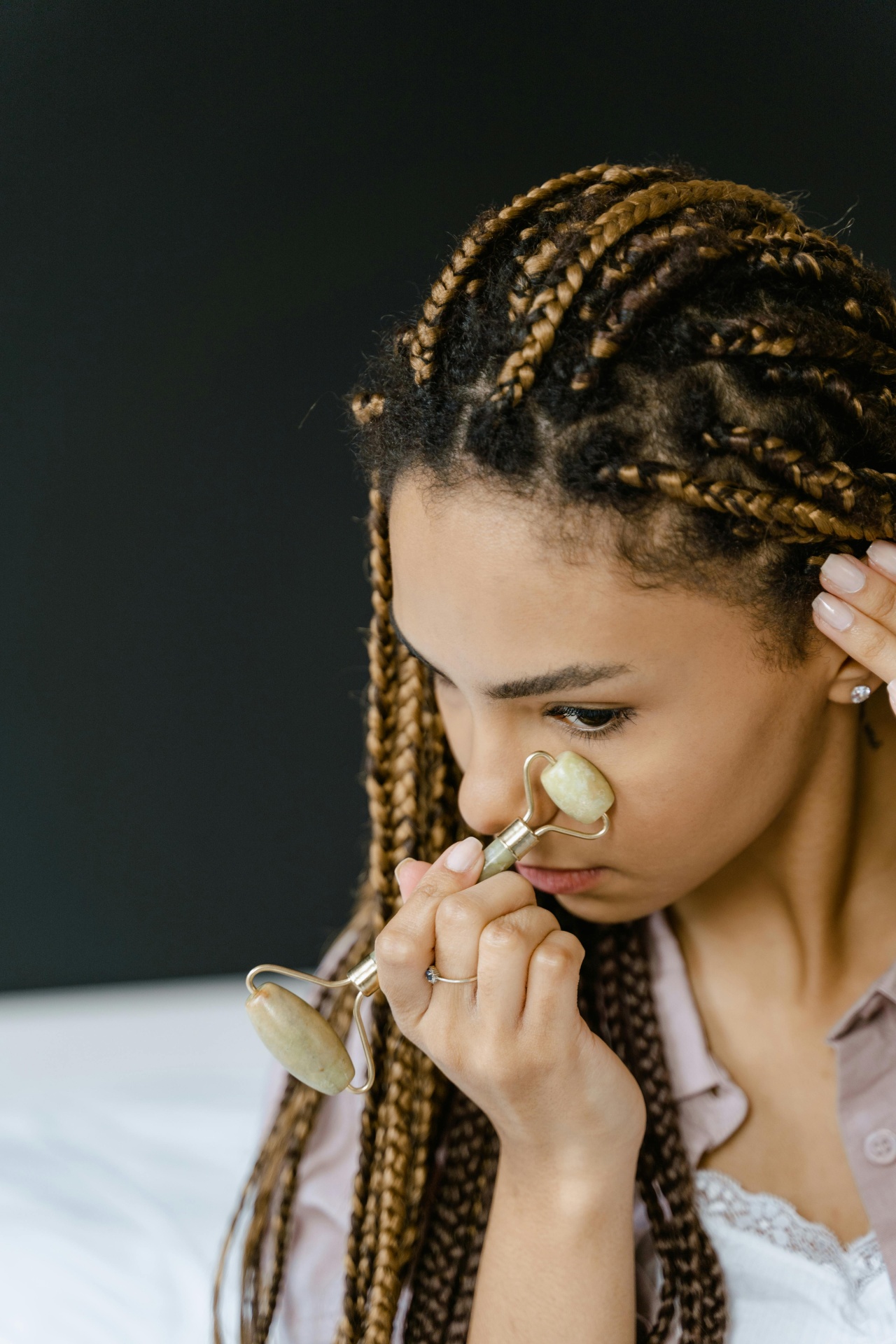
Damp skin provides natural lubrication — perfect for a quick, product-free rolling session.
When Dry Rolling Is a Bad Idea
⚠️ Never dry roll over:
- • Active acne lesions (pustules, cysts, whiteheads) — friction spreads bacteria
- • Sunburned or windburned skin — already compromised barrier + friction = damage
- • Broken skin, cuts, or open wounds
- • Extremely dry or flaky skin — you'll exacerbate flaking
- • After using exfoliating acids (AHA/BHA) — the acid has already thinned the barrier
Dry rolling on dry skin creates friction — and friction on the face can lead to micro-tears in the skin's surface, accelerated aging through collagen damage, and irritation that manifests as redness or sensitivity. This is why estheticians overwhelmingly recommend using a lubricant of some kind.
How to Dry Roll Correctly (If You Choose To)
If you prefer or need to dry roll, here's how to minimize risks and maximize benefits:
✅ The Correct Dry Rolling Protocol
-
1
Start with thoroughly clean, dry skin
Cleanser residue or product on skin can cause unexpected reactions during dry rolling. Ensure your face is completely clean and dry.
-
2
Use ONLY very light pressure
Without lubrication, any moderate pressure creates significant friction. Let the weight of the stone do all the work — no pressing.
-
3
Limit to 2-3 minutes maximum
Dry rolling for more than 3 minutes increases friction damage significantly. Less is more with this technique.
-
4
Focus on lymphatic drainage areas only
Cheeks, jawline, and neck (outward and upward strokes). Avoid the delicate under-eye area without a serum lubricant — the friction can cause broken capillaries.
-
5
Apply moisturizer immediately after
Dry rolling strips the skin's natural moisture during the session. Seal everything back in with a good moisturizer within 30 seconds of finishing.
Alternatives to Expensive Serums for Jade Rolling
You don't need a $60 serum to get the benefits of jade rolling. Here are affordable alternatives that work:
💧 Rose Water + Glycerin Spray
Mix 2 tbsp glycerin with 100ml rose water in a spray bottle. Spritz lightly before rolling. Glycerin is a humectant that draws moisture to the skin — perfect for jade rolling.
🫒 Facial Oil (Jojoba, Grapeseed)
A few drops of pure jojoba or grapeseed oil. Both are lightweight, non-comedogenic, and absorb well. Jojoba is particularly good because its molecular structure resembles skin's natural sebum.
💧 Plain Water (In a Pinch)
Water alone isn't ideal (it evaporates quickly and doesn't provide good lubrication), but if you're in a genuine emergency, spritzing clean water on the face before dry rolling is better than nothing.
🧴 Aloe Vera Gel
Pure aloe vera gel (no alcohol) provides excellent lubrication and has skin-soothing properties. Great for sensitive skin or post-sun exposure when skin needs gentle care.
💡 Pro Tip: DIY Roller Mist
Fill a small spray bottle with: 60ml rose water, 1 tsp vegetable glycerin, 3 drops lavender essential oil (optional, for scent). Shake before each use. This is our estheticians' favorite budget rolling medium — total cost under $5 and it lasts months.
Frequently Asked Questions
Does dry rolling damage skin over time? ▼
Yes, if done incorrectly and frequently. Dry rolling with moderate or heavy pressure creates friction that can lead to micro-tears in the skin's surface, gradual collagen damage, and compromised skin barrier function. However, brief (2-3 minute) dry rolling with very light pressure on clean skin is generally safe for most people as an occasional technique — not a daily habit.
Can I use water alone for jade rolling? ▼
Water alone is the least effective lubricant because it evaporates quickly and doesn't provide lasting slip. It's better than dry rolling on very sensitive skin, but not ideal for regular use. A water-based serum, facial oil, or a glycerin-rose water spray is significantly better and costs very little.
Should I use a serum with jade rolling every time? ▼
For the best skincare results, yes — most of the time. The mechanical stimulation from rolling is beneficial, but the real magic happens when the rolling action presses active ingredients deeper into the skin. If you're only doing mechanical stimulation without product delivery, you're getting about half the potential benefit. Use a serum at least 4-5 nights per week, and dry rolling is fine for the other 1-2 nights.
What's the best serum for jade rolling? ▼
Hyaluronic acid is the most versatile — it draws moisture into the skin and the rolling action helps it penetrate deeper. Niacinamide is excellent for oily or combination skin. Vitamin C is powerful but requires proper timing (apply first, then roll — never roll over freshly applied vitamin C). See our full vitamin C + jade rolling guide.
📚 Related Guides
The JadeGuide Editorial Team
Evidence-based skincare technique guides
We consult with licensed estheticians and dermatologists to verify every technique we recommend. No trends, no gimmicks — just what works.