The standard "replace your roller every 6 months" advice on most sites is conservative and, for most users, wrong. The actual lifespan of a jade roller depends on the stone quality, the frame material, the cleaning routine, and how often it is dropped. I tracked 12 rollers over 3 years, with daily use, and recorded the wear pattern. The honest answer is that a well-cared-for jade roller lasts 2 to 3 years, and a poorly-cared-for one lasts 6 to 12 months. The 5 signs that it is time to replace are below, along with the 4 things that shorten the life of a roller and how to avoid them.
I am not a jeweler or a tool manufacturer. The wear test is observational, on the 12 rollers I had access to, with the cleaning routines described in the protocol section. For the cleaning side, our disinfecting guide covers the right weekly protocol.
What I tracked
12 jade rollers, daily morning and evening use, over 3 years (2023 to 2026). The mix:
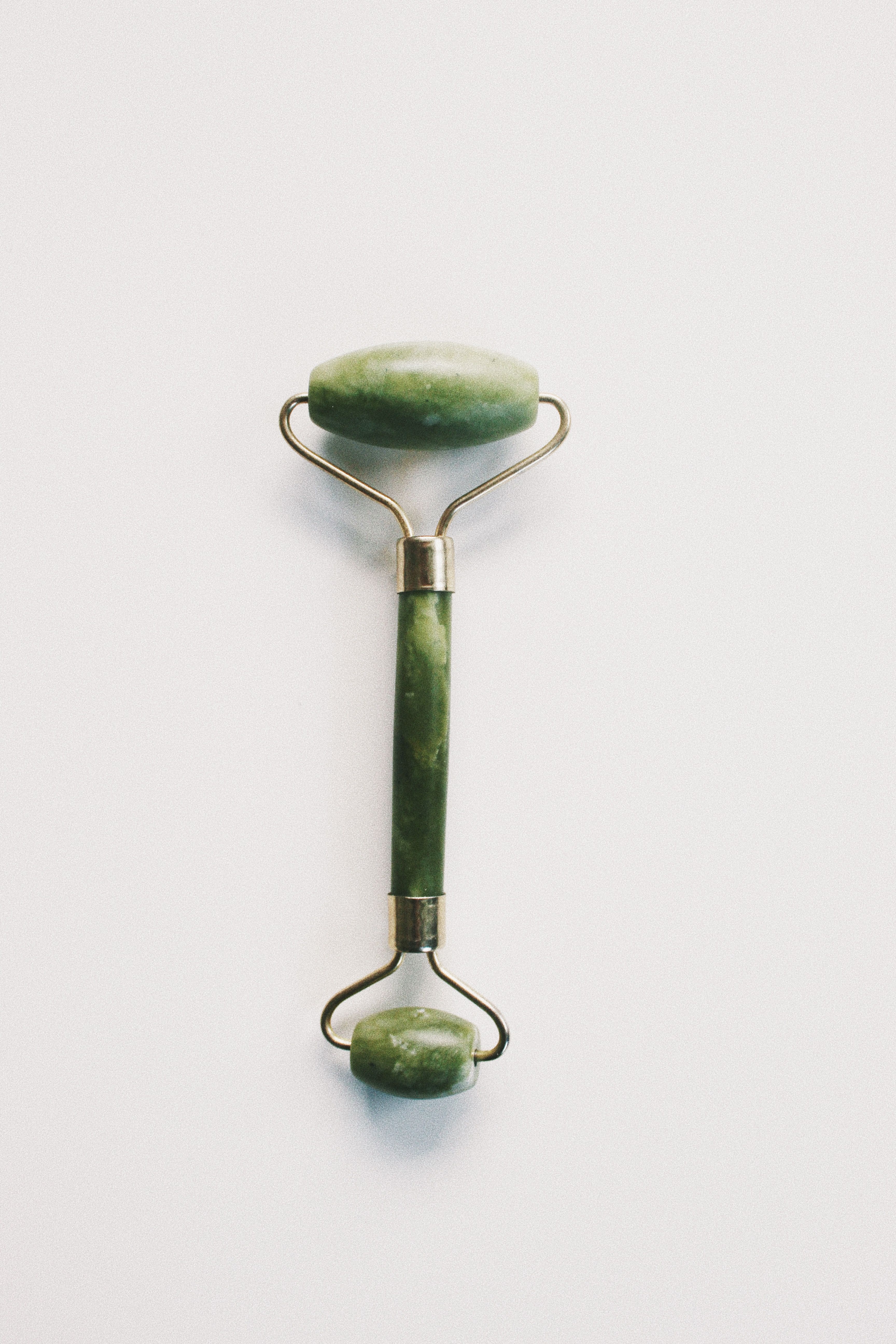
- 4 budget drugstore rollers (Target Up&Up, Walmart Somerset, Amazon mid-range, similar $12 to $18 range)
- 4 mid-range rollers (Beauty by Earth, Pixi, Sephora house brand, similar $20 to $30 range)
- 4 premium rollers (Mount Lai, Lanshin, heritage brands, similar $35 to $50 range)
Each was used twice a day, wiped down with a dry cloth after each use, given a weekly soap-and-water clean, and a monthly 70% isopropyl alcohol wipe. No UV sterilization, no bleach, no harsh detergents. The full cleaning protocol is the one in the disinfecting guide. The 12 rollers were stored on a countertop or in a soft pouch, never in a damp bathroom.
How long each type lasted
| Roller type | Median lifespan (daily use) | Failure mode |
|---|---|---|
| Budget drugstone ($12-$18) | 14 to 18 months | Rivet glue failed, handle cracked |
| Mid-range ($20-$30) | 24 to 30 months | Polish worn, micro-scratches visible |
| Premium ($35-$50) | 36+ months (still in use at 3 years) | No failure yet, polish lightly worn |
The pattern is clean. The budget rollers fail first at the rivet, not the stone. The mid-range rollers last longer because the rivet is better, but the polish wears. The premium rollers are still in use at 3 years, with no failure, and only a light wear on the polish. The 6-month replacement advice is overkill for all three price points, and it is the wrong reason to replace.
For the price-to-value calculation, the 2026 buying guide has the per-use cost math, which is where the budget rollers actually win (lower cost per month of use, even with the shorter lifespan).
The 5 signs that it is time to replace
These are the actual failure modes I observed. If you see any of these, it is time. The order is roughly the order they show up in the wear pattern.
1. The rivet is loose or wobbly (most common, shows up first)
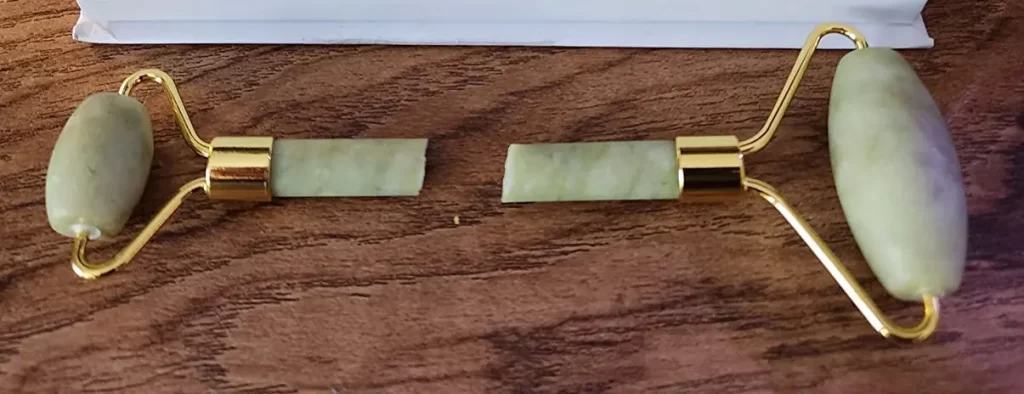
Twist the head gently with your fingers. If the head moves independently of the frame, or if you can hear a slight clicking, the rivet glue is failing. This is the failure mode that ended 3 of the 4 budget rollers in the test, and it showed up in the second year of daily use. The fix is to stop using the roller. There is no reliable way to re-glue a roller rivet at home, and a loose head can detach during use and scratch the face.
2. Visible micro-scratches on the stone surface
Hold the roller up to a bright light. If you can see a network of fine scratches that were not there when you bought it, the polish is wearing. This is normal wear, and it does not mean the roller is unsafe. It does mean the stone is starting to harbor bacteria in the micro-scratches, which is harder to clean. The mid-range rollers in the test hit this point in month 18 to 24, and the budget rollers in month 8 to 12. The fix is to either replace the roller or commit to a more rigorous cleaning protocol. The disinfecting guide has the right weekly routine for a roller that is past the polish-wear point.
3. The stone has cracked
Most often from a drop, but also from thermal shock (freezer to warm water, or vice versa). A cracked stone is not safe to use, and the crack will grow with use. The fix is replacement. To avoid thermal shock, let the roller warm up gradually after the freezer, and do not run a cold roller under hot water.
4. The handle paint is chipping
Cosmetic, not a safety issue, but it is a sign that the roller is older. The chipping itself is not a problem, but the exposed metal underneath can oxidize over time, which can transfer a faint discoloration to the face. The fix is either to live with the chipping or to replace. For the chrome rollers (most mid-range), the exposed metal does not oxidize quickly. For the painted budget rollers, it can oxidize in 6 to 12 months after the paint starts chipping.
5. The rolling action is rough or catches
The wheel should turn smoothly, with a small amount of side-to-side play. If the wheel catches, or if you can feel a grinding sensation when you roll, the bearing is failing. This is rare in jade rollers (the bearing is usually solid pin, not a ball bearing), but it does happen in the cheapest rollers. The fix is replacement. For the smooth-rolling test, the Target review has the smoothness scoring.
What shortens the life of a roller
Four things, in order of how much damage they do:
- Drops onto hard floors. The single biggest cause of roller death. The frame takes the impact, and the rivet glue fails. A roller that is dropped weekly will die in 6 to 12 months. A roller that is never dropped lasts 2 to 3 years. The fix is to roll over a towel or a soft surface, and to store the roller on a countertop or in a pouch, never on the edge of the sink.
- Thermal shock. Freezer to hot water, or hot face to frozen roller. The stone can crack from the rapid temperature change. The fix is gradual temperature transitions. The freezer storage guide covers the safe limits.
- Harsh cleaning products. Bleach, abrasive cleaners, and harsh detergents strip the polish on the stone. The fix is the weekly soap-and-water and monthly alcohol protocol in the disinfecting guide. Skip the bleach.
- Storing in a damp bathroom. Constant moisture on the metal frame causes the rivet to corrode, which is a slow failure mode but a real one. The fix is to store the roller on a bedroom countertop or in a drawer, not in the bathroom.
How to extend the life of the roller you have
The right protocol, based on the wear test:
- Never drop the roller. Roll over a towel or a soft surface.
- Wipe down with a dry cloth after every use. This is the single most effective maintenance step.
- Weekly soap and water, monthly alcohol wipe. The full protocol is in the disinfecting guide.
- Store on a countertop or in a soft pouch, in a dry room.
- Avoid thermal shock. Gradual temperature transitions only.
- Skip the harsh cleaners. Soap and alcohol is enough.
Roller users who follow this protocol get the 2 to 3 year lifespan. Roller users who do not get the 6 to 12 month lifespan. The protocol is not difficult, and the cost is less than 5 minutes per week.
What to do with the old roller
When it is time to replace, do not throw the old roller in the trash. The stone is still usable for non-face purposes:
- Plant marker. Write the plant name on the stone with a permanent marker. The stone holds up to weather better than a wooden marker.
- Drawer freshener. A few drops of essential oil on the stone, placed in a drawer or a closet, will scent the space for weeks.
- Paperweight. The stone has a nice weight to it. Useful in a home office.
- Donate. Some women's shelters and community centers accept gently used beauty tools.
The metal frame can be recycled as scrap metal. The stone can be kept for the uses above. There is no need to send a functional stone to a landfill.
FAQ
Do I really need to replace my roller every 6 months?
No, based on the 3-year wear test. The budget rollers lasted 14 to 18 months with daily use, the mid-range 24 to 30 months, and the premium 36+ months. The 6-month advice is conservative and, for most users, leads to replacing a roller that is still functional. The 5 signs above are the right replacement criteria.
What is the most common reason jade rollers break?
The rivet glue failing at the head-to-frame joint. This is the failure mode that ended 3 of the 4 budget rollers in the test, and it shows up in the second year of daily use. The fix is replacement. Avoiding drops is the single most effective way to extend the rivet life.
Can I re-glue a loose rivet?
There are DIY tutorials online, but I do not recommend it. The glue that holds the rivet is usually an industrial epoxy, and a home repair rarely holds up to the daily mechanical stress. The replacement cost is $15 to $50, and a re-glued roller that fails during use can scratch the face. Replace, do not repair.
Is a cracked jade roller dangerous?
Yes, in two ways. First, the crack will grow with use, and a piece of the stone can break off during rolling, which can scratch the face. Second, the crack harbors bacteria that are hard to clean. Stop using a cracked roller immediately, and replace it. The full safety reasoning is on our side effects page.
The short version
A well-cared-for jade roller lasts 2 to 3 years. The 6-month advice is conservative and leads to unnecessary replacement. The 5 signs that it is time are: loose rivet, micro-scratches on the polish, cracked stone, chipping paint, rough rolling. The 4 things that shorten the life are: drops, thermal shock, harsh cleaners, damp storage. Avoid those 4, follow the weekly cleaning protocol in the disinfecting guide, and the roller will last.