Real vs Fake Jade Roller: How to Tell the Difference Before You Buy
Protect yourself from fake jade rollers with these authentication techniques
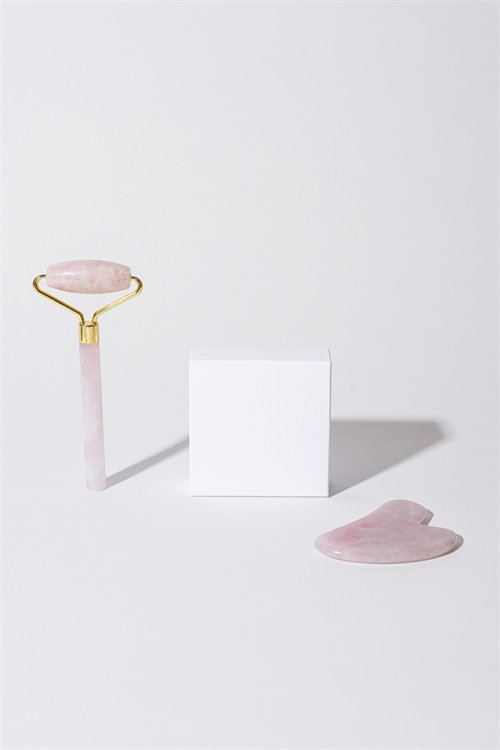
The jade roller market is flooded with replicas—some obviously fake, others sophisticated enough to fool even experienced buyers. A "real jade roller" costs significantly more than plastic or glass alternatives, making authentication essential before purchase.
With the keyword "jade roller real vs fake" generating 170 monthly searches, many buyers want to know how to authenticate their purchase. This guide provides definitive tests you can perform before buying.
Why Authenticity Matters
Real nephrite jade has unique properties that fake materials cannot replicate:
- Thermal conductivity: Jade stays cool longer than glass, plastic, or resin
- Non-porous surface: Real jade doesn't harbor bacteria in microscopic pores
- Weighted feel: Jade is denser than most imitations
- Natural variation: Each piece of real jade has unique veining
Fake jade rollers may contain harmful dyes, harbor bacteria, or break unexpectedly. Understanding how to tell if a jade roller is real protects both your investment and your skin.
Real vs Fake Jade Roller: Key Differences
| Test | Real Jade | Fake/Imitation |
|---|---|---|
| Weight Test | Feels heavier than it looks | Feels surprisingly light |
| Coolness Test | Stays cool 30+ minutes at room temperature | Warms to room temperature within 5-10 minutes |
| Surface Texture | Smooth but not perfectly uniform (natural variation) | Perfectly smooth, uniform appearance |
| Price Indicator | $25+ for single roller; $40+ for sets | Often under $15 for similar "appearance" |
| Transparency Test | Opaque with slight translucency | Fully opaque OR suspiciously clear/translucent |
How to Test Authenticity
1. The Coolness Test (Most Reliable)
Place the jade roller next to a glass or plastic roller at room temperature for 30 minutes. The real jade will remain noticeably cooler. This test works because nephrite jade has higher thermal conductivity than glass or plastic.
2. The Weight Test
Real nephrite jade has a specific gravity of 3.0-3.3, making it denser than most imitation materials. If the roller feels lighter than expected for its size, it's likely not real jade. Practice by weighing known real jade items first.
3. The Scratch Test
Jade has a hardness of 6-6.5 on the Mohs scale. A fingernail (hardness 2.5) won't scratch it. A steel knife (hardness 5.5) also won't leave marks. Be cautious with this test—too much pressure can damage even real jade.
4. Visual Inspection
Real jade shows natural variation in color and veining patterns. If the roller appears too perfect or uniform, it's likely synthetic. However, sophisticated imitations can mimic natural variation—use this as one indicator among many.
Common Jade Imitation Materials
Glass
Glass "jade" rollers are common and inexpensive. They warm quickly, lack natural veining, and may have air bubbles visible under magnification. Some are marketed as "glass jade" or "pressed glass"—technically honest about the material, but not true jade.
Resin/Plastic
The most common imitation. Resin can be molded to mimic jade's appearance but has lower thermal conductivity and feels lighter. Some contain harmful dyes that can leach into skincare products.
Calcium-Based Stones
Some inferior stones (like cuttlefish bone or treated limestone) are sold as jade alternatives. These are softer, more porous, and may harbor bacteria. They often require dye to achieve jade's green color.
Related Guides
Frequently Asked Questions
What's a reasonable price for a real jade roller?
A quality single jade roller typically costs $25-$60. Sets with multiple rollers (face + body + eye) run $40-$100+. Extremely cheap rollers (under $15) are almost certainly fake or low-quality stone. See our price guide for detailed breakdown.
Can I use the scratch test to check my jade roller?
Yes, carefully. Use a copper coin (penny minted after 1982) which has hardness around 3.7. If it leaves a scratch, the material is softer than jade and likely fake. Jadeite and nephrite both resist this test. Never use steel knives as they can scratch some jades.
My jade roller turned color—is it fake?
Not necessarily. Jade can absorb minerals and oils from skincare products, causing color changes. See our guide on jade roller color changes to understand what's normal vs. concerning.
Where is the best place to buy authentic jade rollers?
Reputable specialty retailers, established skincare brands with gemstone expertise, and artisan marketplaces with verification processes. Avoid platforms with no quality guarantee and sellers who can't provide sourcing information. Our reviews include tested authentic options.
Does "jade color" mean it's real jade?
No. "Jade green" is a color description, not a material guarantee. Many fake rollers use the term to describe their appearance. Look for specific material descriptions like "nephrite jade" or "jadeite jade" to confirm authenticity.
Conclusion: Verify Before You Buy
Authenticating a jade roller before purchase saves money and ensures you receive the real thermal and hygienic benefits of nephrite jade. Use the coolness test as your primary verification method, supported by weight and visual inspection.
When in doubt, purchase from reputable retailers with verified sourcing. Explore our complete best jade roller guide for tested, authentic recommendations.