Published: May 21, 2026
**Disclaimer**: This article is for general informational purposes only and does not constitute professional advice. For specific skin concerns, please consult a certified dermatologist.
Jade Roller for Acne-Prone Skin: Help or Hindrance?
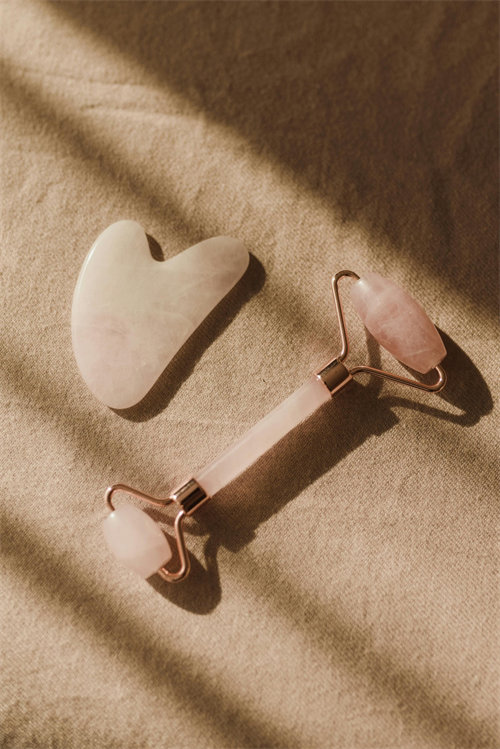
Acne-prone skin comes with enough daily challenges without adding an extra tool that might make things worse. If you have been wondering whether a jade roller belongs in your skincare routine — or belongs anywhere near your inflamed, breakout-prone face — you are not alone.
The answer is not a simple yes or no. A jade roller can support acne-prone skin through gentle lymphatic drainage and reduced puffiness, but it can also aggravate active breakouts if used incorrectly or on dirty skin. The difference comes down to technique, hygiene, and knowing when to skip it entirely.
In this guide, we walk through exactly how to use a jade roller on acne-prone or oily skin — what to do, what to avoid, and how to tell if it is actually helping your skin or quietly making your breakouts worse.
What Defines Acne-Prone Skin?
Acne-prone skin is characterised by a tendency to develop frequent comedones (blackheads and whiteheads), papules, pustules, or cysts. This is driven by a combination of factors:
- Excess sebum production — oily skin is more prone to clogged pores
- Follicular hyperkeratinisation — dead skin cells do not shed properly and block pores
- C. acnes bacteria — the bacteria that feed inside blocked pores
- Inflammation — red, swollen lesions that often feel painful
Not all acne-prone skin is oily — some people have combination or even dry skin that still breaks out. But the common thread is increased sensitivity to pore blockage and bacterial colonisation. Any tool that touches your face needs to be evaluated against this backdrop.
If you are new to jade rolling and want the foundational context first, see our beginner guide to jade rollers.
Can a Jade Roller Actually Help Acne-Prone Skin?
Under the right conditions, yes. The potential benefits for acne-prone skin include:
- Reduced puffiness and inflammation — the cooling effect of jade constricts blood vessels temporarily, which can calm swollen, inflamed breakouts. Think of it like a cold compress for your face, but applied with gentle pressure.
- Support for lymphatic drainage — the manual pressure of rolling encourages lymph fluid to move out of facial tissues, which may reduce the congestion that contributes to cystic acne. For a deeper dive, see our guide on lymphatic drainage and what happens under your skin.
- Improved circulation — increased blood flow brings more oxygen and nutrients to skin cells and helps flush metabolic waste, supporting skin healing.
- Enhanced product absorption — rolling after applying acne treatments or serums may help active ingredients penetrate more effectively, provided you use the right sequence.
None of these benefits are specific to acne-prone skin — they are the standard jade roller benefits. The critical question is whether your skin type and condition are compatible with the tool at all.
The Risks: When a Jade Roller Can Make Breakouts Worse
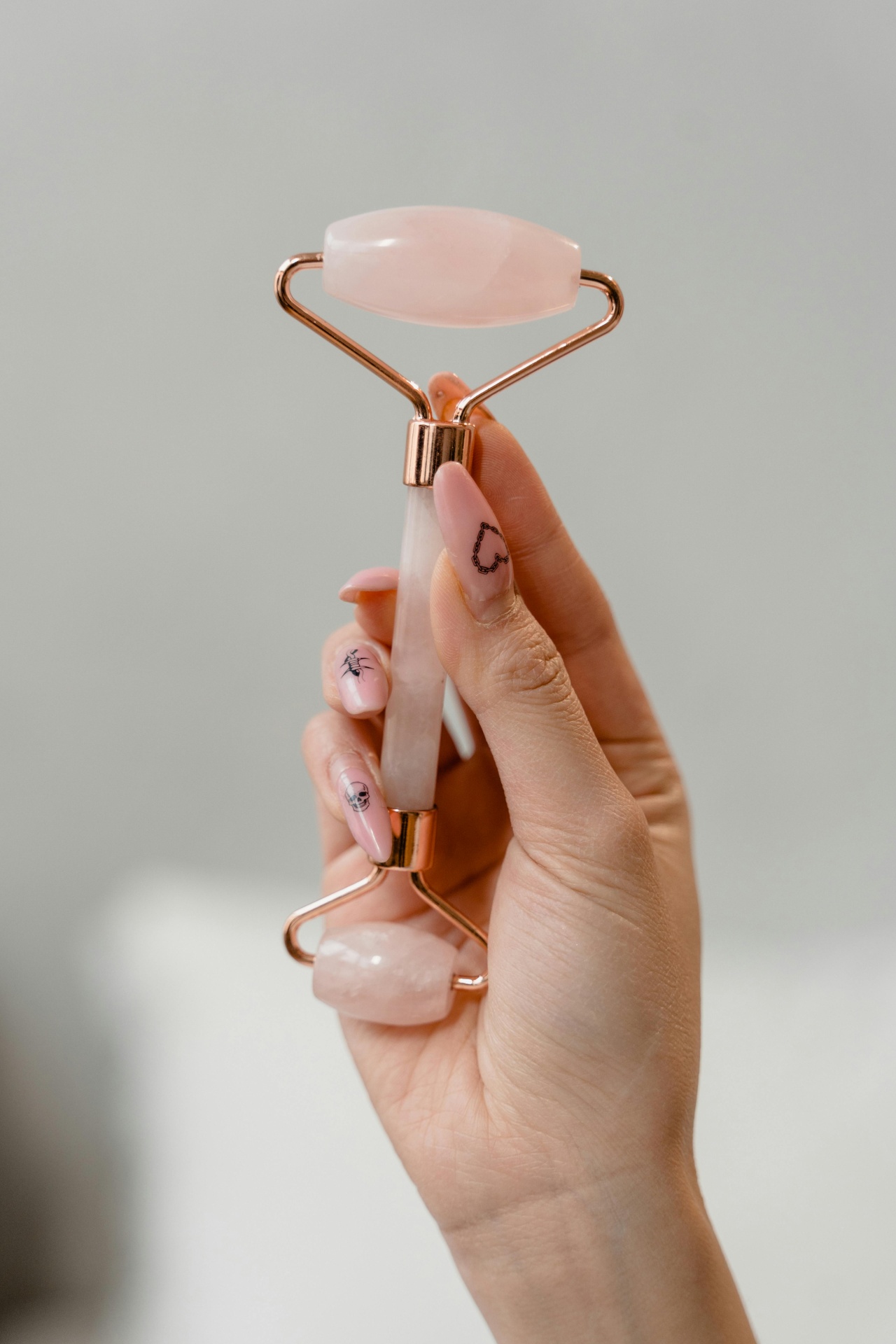
For acne-prone skin, the risks are more pronounced than for most other skin types:
- Cross-contamination of bacteria — if the roller contacts an active pustule or cyst, bacteria can transfer to other areas of your face with each stroke, potentially spreading the infection. This is the single biggest risk for acne-prone users.
- Excessive sebum redistribution — rolling pushes oils across the skin surface. On acne-prone skin, this can clog additional pores rather than dispersing sebum beneficially.
- Physical irritation of lesions — even gentle rolling pressure on inflamed papules or cysts can cause mechanical irritation, extending the healing time of individual lesions.
- Compromised barrier function — acne medications such as retinoids, benzoyl peroxide, and salicylic acid already challenge the skin barrier. Adding mechanical friction can push these actives deeper unpredictably, causing burning or peeling.
- Heat retention in inflamed skin — jade retains ambient temperature. On an already overheated, inflamed breakout, a warm roller can increase local temperature, potentially worsening inflammation rather than relieving it.
For a full picture of the hygiene concerns that apply to all users, read our article on jade roller hygiene and what the bacteria studies actually say.
How to Use a Jade Roller Safely on Acne-Prone Skin
If you decide to incorporate a jade roller into your routine despite having acne-prone skin, follow these guidelines strictly:
Rule 1: Start With a Pristine, Clean Roller
Never use a jade roller that has not been properly sanitised. Wash with gentle soap and warm water after every single use. For a more thorough disinfection, wipe down the stone end with a 70% isopropyl alcohol pad. Allow it to air-dry completely before storing. A damp, stored jade roller is a breeding ground for bacteria — exactly what you do not want next to active acne.
Rule 2: Skip Active Inflamed Lesions Entirely
Do not roll over any area with an active pustule, cyst, papule, or inflamed acne. This means visually inspecting your face before each session. If you have a cluster of breakouts on your chin, avoid that entire zone. You can roll around the perimeter of affected areas — just not directly over them.
Rule 3: Use Minimal, Gentle Pressure
Acne-prone skin is already sensitised. The roller should barely graze the skin surface — light enough that it does not shift or compress inflamed tissue. Let the weight of the roller do the work. Pressing harder does not mean better results; for acne-prone skin it means more irritation.
Rule 4: Roll After Serums, Not Before
The correct order is: cleanse → apply serum or treatment → wait 1-2 minutes for partial absorption → roll. This maximises the push-in effect of the roller, driving actives deeper. Rolling on bare skin offers less therapeutic benefit and more mechanical friction on bare skin without the protective buffer of a serum or moisturiser.
Wondering which serums work best combined with rolling? Our guide on how to boost serum absorption with a jade roller covers the optimal sequence in detail.
Rule 5: Chill the Roller for Added Benefit
For acne-prone skin, a cold jade roller is more beneficial than a room-temperature one. The cooling effect constricts blood vessels, which reduces the redness and swelling of active breakouts. Store your jade roller in the refrigerator (not the freezer — frozen stone is too extreme and can damage skin). Ten to fifteen minutes in the fridge before use is sufficient.
Rule 6: Limit Frequency if You Have Active Acne
If you have moderate to severe active acne, reduce rolling to 2-3 times per week rather than daily. Overuse can cause cumulative irritation. Once your breakouts are under better control, you can increase to once daily. Watch for signs of worsening — if breakouts increase after starting a rolling routine, stop and reassess.
When to Avoid a Jade Roller Entirely
There are situations where you should put the jade roller down completely:
- Cystic acne — deep, painful cysts should not be mechanically disturbed. Rolling can cause them to rupture under the skin, worsening inflammation and increasing the risk of scarring.
- Open wounds or picked acne — if you have picked or popped blemishes (which dermatologists universally advise against), rolling over those open areas introduces bacteria directly into broken skin.
- After using retinol or acid treatments — if you have just applied strong actives, your skin barrier is in a vulnerable state. Rolling immediately after can sting, cause burning, and increase irritation unnecessarily. Wait at least 30 minutes for these products to settle.
- During an active flare — if you are experiencing a significant breakout flare, pause the jade roller until the flare subsides. It is better to support your skin with gentle cleansing and prescribed acne medications during acute phases.
For guidance on using a jade roller alongside acne medications, see our article on using a jade roller with retinol.
Jade Roller for Oily Skin: A Special Case
Acne-prone skin is not always oily — but when it is, the dynamics shift slightly. Oily skin produces excess sebum that can mix with dead skin cells and bacteria to form comedones. In this context, the jade roller is not treating the acne directly — it is managing the secondary symptoms: puffiness, inflammation, and poor lymphatic flow.
Rolling on oily skin can help redistribute sebum more evenly across the skin surface, which prevents the localised accumulation that leads to pore clogging. However, this benefit only applies if the roller is clean and used correctly. On dirty or contaminated skin, the same mechanism becomes a liability.
Tip: Always apply a light water-based serum or moisturiser before rolling on oily skin. This prevents the jade roller from dragging across the skin and redistributing oils in a way that clogs pores. Avoid heavy, oil-based creams that could clog pores. The ideal approach is a light water-based serum or gel moisturiser applied before rolling.
Jade Roller for Acne-Prone Skin vs. Scarred Skin
It is important to distinguish between active acne-prone skin and skin with acne scarring. These are different conditions with different needs:
- Active acne-prone skin — the priority is not aggravating breakouts, avoiding bacterial spread, and not irritating inflamed lesions. The jade roller can be part of a supportive routine with strict hygiene protocols.
- Acne scarring or post-acne marks — the jade roller is not a treatment for scars. However, improved lymphatic drainage and circulation from rolling can support skin healing and regeneration, which may gradually improve the appearance of post-acne marks over months. For scar-specific treatments, consult a dermatologist.
Frequently Asked Questions
Can I use a jade roller if I have hormonal acne?
Hormonal acne is driven by fluctuations in androgen hormones and typically manifests as deep, cyclical breakouts along the jawline, chin, and lower cheeks. A jade roller cannot address the hormonal component, but it can help manage the swelling and inflammation of hormonal breakouts when used correctly — primarily through its cooling effect. Do not expect it to prevent or cure hormonal acne; focus on the underlying hormonal management with your dermatologist.
Should I stop using my jade roller when I have a breakout?
Not necessarily, but you must adapt your technique. Skip the broken-out areas entirely, ensure the roller is thoroughly sanitised before and after each session, reduce frequency, and avoid using it on bare skin. If your breakouts are severe, painful, or cystic, it is safest to pause entirely until the flare subsides.
Can a jade roller cause acne?
Yes, indirectly. If the roller is contaminated with bacteria or oils, or if it is used too aggressively, it can transfer bacteria to clean pores, clog pores with redistributed sebum, or irritate the skin barrier sufficiently to trigger breakout responses. However, a clean, properly used jade roller does not cause acne on its own.
How often should I clean my jade roller?
Clean your jade roller after every single use. This is non-negotiable for acne-prone skin. Bacteria, oils, and serum residues accumulate on the stone surface during rolling and can become a continuous source of re-infection if not removed. Use warm water and gentle soap, rinse thoroughly, and allow to air-dry completely before storing in a clean, dry place.
Can I use my jade roller over moisturiser?
Yes, and for acne-prone skin this is actually preferable to rolling on bare skin. A lightweight, non-comedogenic moisturiser creates a protective buffer that reduces friction and prevents the roller from dragging across the skin. Avoid heavy, oil-based creams that could clog pores. The ideal approach is a light water-based serum or gel moisturiser applied before rolling.
Is a smaller jade roller better for acne-prone skin?
A small jade roller or eye roller can be useful for targeting specific areas without disturbing wider zones of active acne. If you have breakouts clustered in one area, a smaller roller allows you to roll around that zone without making contact. It also gives you more precision around the nose, under the eyes, and other areas where large rollers are awkward.
Conclusion: Is a Jade Roller Worth It for Acne-Prone Skin?
A jade roller is neither a miracle acne treatment nor a guaranteed breakout generator. Its value for acne-prone skin depends almost entirely on the user. Done correctly — with meticulous hygiene, careful lesion avoidance, light pressure, and appropriate frequency — it can be a soothing, anti-inflammatory addition to your routine that supports lymphatic flow and reduces puffiness.
Done carelessly, it can spread bacteria, aggravate lesions, and worsen breakouts. For those with moderate to severe active acne, especially cystic acne, the risks often outweigh the benefits. If you are unsure, start with once-weekly sessions, watch how your skin responds over four to six weeks, and adjust from there. When in doubt, consult a dermatologist who understands your full acne history before adding any new tool to your routine.