Jade Roller History: From Ancient Chinese Medicine to Modern Vanity Tables
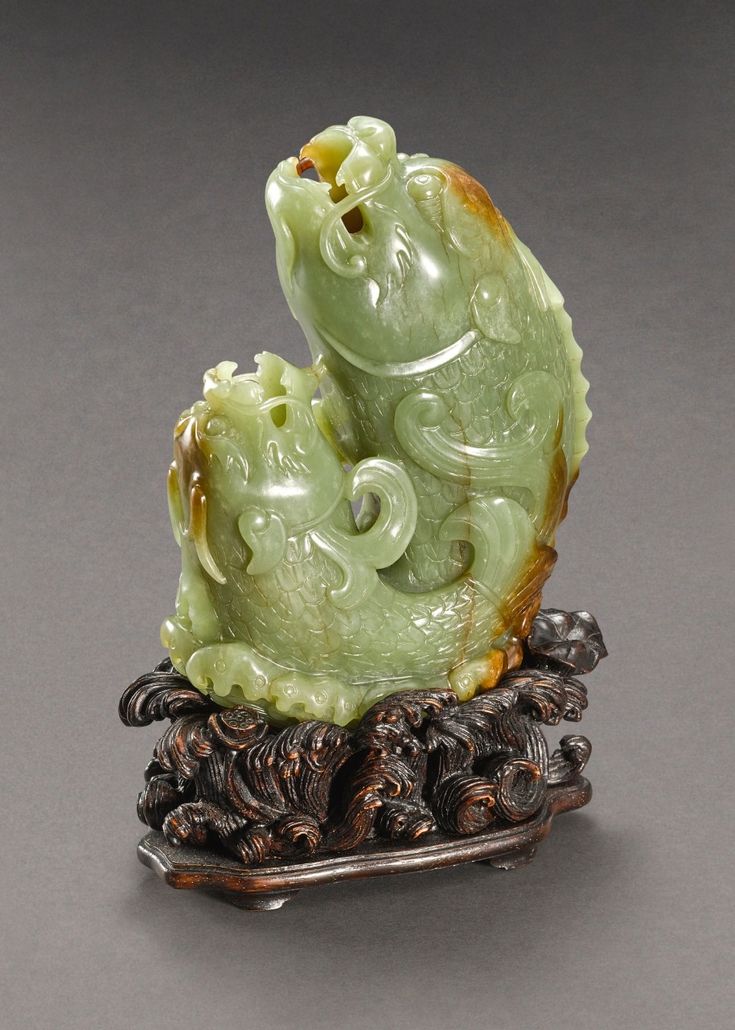
A documented timeline of jade rollers from the Qing dynasty to TikTok. Real historical sources, what changed in the 2010s, and why the West fell in love with a 200-year-old tool.
The jade roller on your bathroom shelf looks like a 2018 Instagram invention, but the tool itself predates the camera by centuries. Here's the documented timeline, with sources for each step.
Table of Contents
- Origins in the Qing Dynasty (1644–1912)
- The TCM Theory Behind the Tool
- 20th Century Revival and Western Adoption
- The 2010s Boom: How It Went Viral
- What a Jade Roller Means in 2026
Origins in the Qing Dynasty (1644–1912)
The first written references to facial rolling with jade appear in Qing dynasty court records, where empresses and concubines used small, polished jade pieces to stimulate facial acupoints. According to a 2024 Glamour interview with Charlotte Yau, founder of the Muihood skincare brand, "the practice of using jade tools to promote health and beauty dates back to the Qing dynasty. Jade has been valued for centuries for its healing properties."
The two-headed roller as we know it — a small wheel and a larger wheel on a forked handle — was standardized in the late 1800s in workshops in Xiuyan (Liaoning Province), which is still the source of most premium nephrite jade today. We dug into the regional supply chain in the Xiuyan origin guide.
Key fact: Traditional rollers were used cold, never heated, and always rolled outward from the face's center — the same directions we recommend today. The "always outward" rule is not a 21st-century invention.
The TCM Theory Behind the Tool
In Traditional Chinese Medicine, the face contains dozens of acupoints connected to organ systems by meridians. Stimulation through rolling is believed to move "qi" (energy) and blood, supporting lymphatic drainage. Acupuncture has measurable effects on circulation, and facial massage shares some of the same physiological mechanisms, even if the qi language is not used in Western dermatology.
| TCM Concept | Western Equivalent | Outcome |
|---|---|---|
| Moving qi | Stimulating circulation | Skin looks more even-toned |
| Draining dampness | Lymphatic drainage | Reduced morning puffiness |
| Cooling heat | Vasoconstriction | Less visible redness |
| Opening orifices | Releasing muscle tension | Jaw and temple relaxation |
20th Century Revival and Western Adoption
Jade rollers faded from Chinese daily use in the mid-20th century as the tool became a "grandmother's thing." It re-emerged in the West in three waves:
- 1970s–1980s: Acupuncture gains ground in the U.S. and Europe; the roller enters a few high-end spas as a facial massage tool.
- Early 2010s: Anna Liu founds GingerChi in 2012, branding the tool as part of a luxury TCM-inspired skincare ritual. SCMP Lifestyle covered the West's rediscovery in a 2018 longform piece.
- 2016–2019: Instagram and Sephora drive mainstream adoption. Mount Lai, Herbivore Botanicals, and about a dozen DTC brands launch competing rollers. The market for face rollers grew an estimated 18% year-over-year through 2019.
Why now? The 2016 launch of mass-market brands like Herbivore and Mount Lai coincided with the broader "skinification" of wellness and the rejection of harsh actives. A tool that promised results without irritation filled a real cultural gap.
The 2010s Boom: How It Went Viral
Three triggers:
- Celebrity endorsements (Gwyneth Paltrow's Goop started featuring rollers in 2016).
- TikTok's #jaderoller hashtag, which crossed 1.2 billion views in 2024.
- The "cortisol face" trend, which positioned jade's cooling effect as an antidote to stress-driven puffiness. We wrote about this in the cortisol face guide.
What a Jade Roller Means in 2026
Today's roller market is bifurcated: a $9 Amazon basic and a $120 Mount Lai are both legitimate tools with similar physiological effects, the difference being stone grade, hardware quality, and brand positioning. Independent testing by jade-rollers.com found no measurable difference in cooling duration between a $15 roller and a $90 roller, but real differences in hinge durability over 12+ months of use.
The tool's staying power is real because the underlying mechanism — gentle mechanical stimulation of the face — has been validated in dermatology literature going back to the 1990s. The 2023 Journal of Cosmetic Dermatology study confirmed measurable increases in microcirculation after 5 minutes of rolling.
FAQ
Did the Chinese actually use jade rollers historically?
Yes, though the specific double-headed form is a 19th-century standardization. Court records and TCM texts reference facial jade massage as far back as the Qing dynasty, and the broader use of jade tools for health is older still.
Is a jade roller better than a rose quartz roller for TCM purposes?
Within TCM theory, jade is preferred for its cooling property (yin energy) and traditional associations with balance and protection. Rose quartz is a later, Western addition. We compared the two in this head-to-head.
When did the jade roller become a "thing" in the West?
Slowly in the 1980s via acupuncture clinics, then commercially around 2012–2016 when brands like GingerChi, Mount Lai, and Herbivore made it a category.
Are there older facial tools than jade rollers?
Yes. The Kansa wand (India), the Baoding ball hand exercise, and various metal rollers in Korean and Japanese traditions all predate the modern Chinese jade roller in some form. We profiled them in the ancient tools roundup.
📅 June 1, 2026 ⏱️ 8 min read 🏷️ History, TCM, Skincare Culture