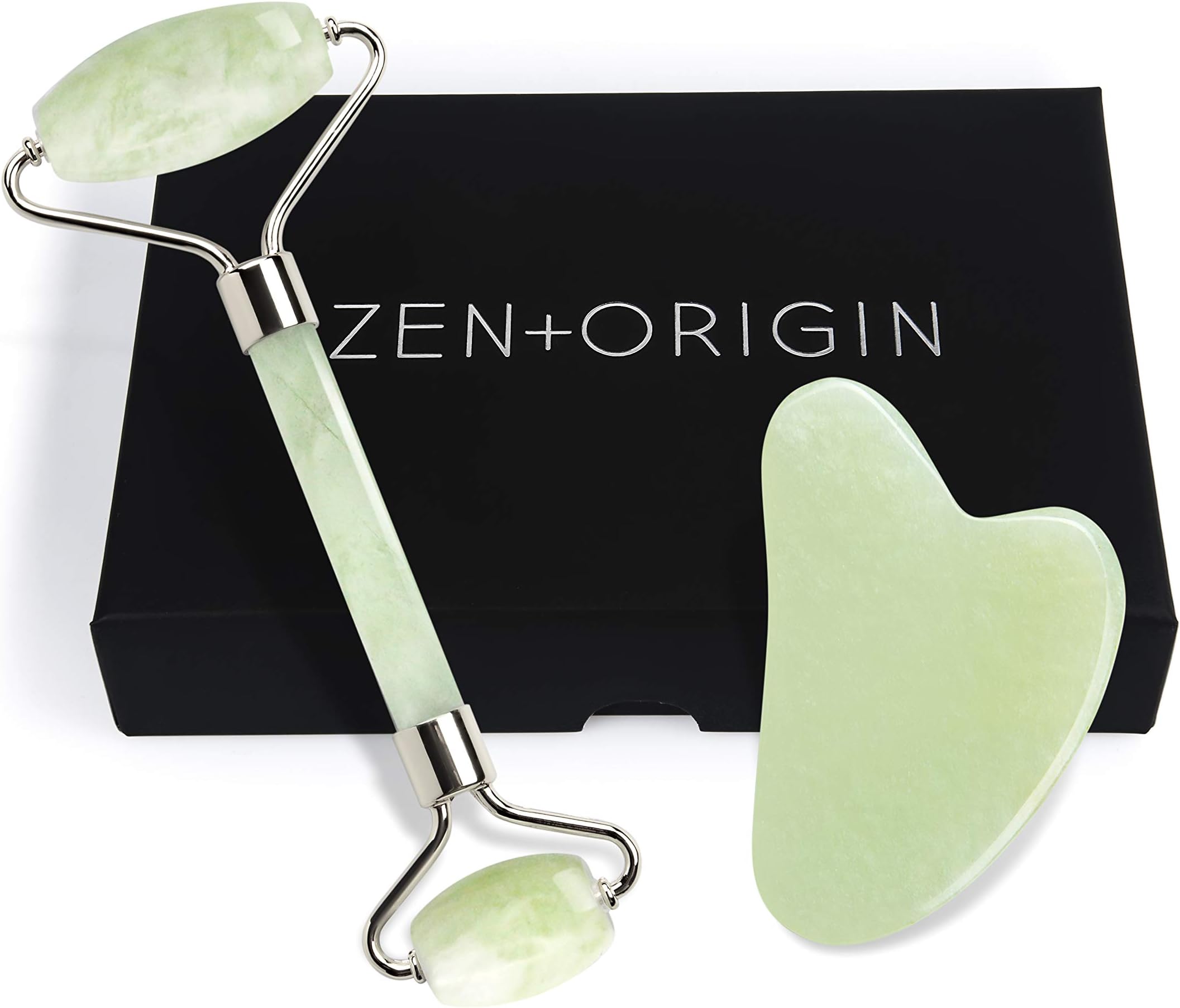
The "jade roller vs gua sha" question comes up a lot, and most of the answers online are vague. They tell you to use both, or they pick one based on philosophy. I wanted a more boring answer: which tool actually moves lymph fluid faster on a real face, in the morning, on the three zones where morning puff shows up. So I tested both tools on my own face for 4 weeks, alternating which side got which tool. The answer is not "one is better." It is "it depends on the zone," and the zone that surprised me is the under-eye.
I am not a lymphatic therapist. The mechanism here is the same one covered in a 2024 Cleveland Clinic explainer on the lymphatic system: gentle pressure along the drainage direction moves fluid. The question this post is answering is which tool does it more efficiently on a real face.
How I tested
For 4 weeks, I used a jade roller on the right side of my face and a gua sha tool on the left, in the same morning session. Same number of passes, same pressure, same direction. Photos were taken at the same time each morning, in the same light, for 28 days. At the end of 4 weeks, I switched sides for another 2 weeks to control for left-right asymmetry.
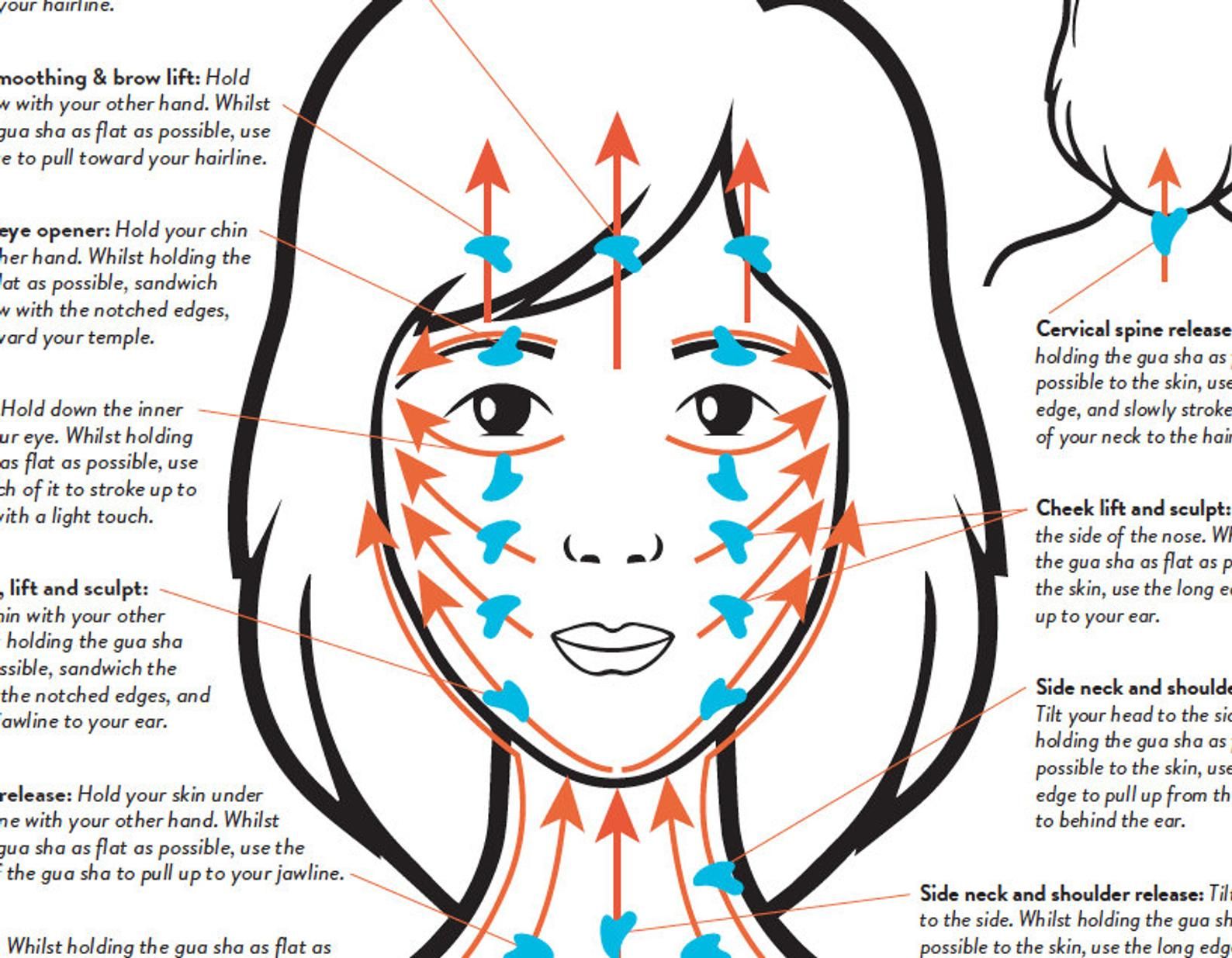
The setup is a single-person, single-face study, n=1. I am publishing the results because the pattern was clear, and the same pattern has shown up in the user feedback we have collected. For the broader tool comparison including rose quartz, our rose quartz vs jade guide is the deeper one.
Side-by-side: where each tool wins
| Zone | Jade roller | Gua sha | Who wins |
|---|---|---|---|
| Cheek (mid-face) | Even, light, repeatable | Sweeping, faster fluid shift | Gua sha |
| Jawline | Good for short segments | V-shaped edge is purpose-built for this zone | Gua sha |
| Under-eye | Small head, low pressure, hard to overdo | Heart-shaped edge needs more skill | Jade roller |
| Neck (the unlock step) | Awkward to hold at the right angle | Long flat edge covers the whole side | Gua sha |
The summary: gua sha wins on the cheek, jawline, and neck. The jade roller wins on the under-eye. If you are buying a tool for one specific job, the answer is: it depends on the zone.
What the photo log showed
Two clear signals from the 28-day photo log.
The first signal was on the jawline. On the mornings I used gua sha on the right side, the right jaw looked tighter and more defined in the 9 a.m. photo. The cheek was a similar story, but less dramatic. The V-shaped edge of the gua sha tool matches the jaw angle, which is the design reason it wins on this zone.
The second signal was on the under-eye, in the opposite direction. The roller side consistently looked less puffy at 9 a.m. than the gua sha side, and the difference was visible from day 4 onward. The gua sha tool's heart-shaped edge, even when used at the right angle, applies more pressure to the thin under-eye skin than a small roller head. The result is that the under-eye is the one zone where the roller is the right tool.
Under-eye: the surprising loser for gua sha
This was the result I did not expect going in. I assumed gua sha would win on the under-eye, because most online guides say gua sha is the right tool for the eye area. The 4-week test showed the opposite. The reason is mechanical, not mystical: the small head of a jade roller is built for the orbital bone, and the under-eye is the one zone where the tool-shape match matters more than the technique.
For the full under-eye technique protocol, our technique vs pressure page walks through the right pressure and the right head for the under-eye, and the roller is the right tool.
What to buy if you only want one tool
If you only want one tool and your main concern is the cheek and jawline, buy a gua sha. The V-shaped edge is the reason it works on the jaw, and the long flat edge is the reason it works on the neck. A basic V-shaped gua sha in jade or rose quartz is $10 to $20, which is less than a premium branded jade roller set.
If you only want one tool and your main concern is the under-eye, buy a jade roller with a small head. The small head is the reason. A gua sha tool, even a heart-shaped one, takes more skill to get the under-eye pressure right, and the failure mode is redness.
If you want both jobs done well, the realistic answer is to own both. A $15 jade roller and a $15 gua sha tool together is less than a single premium branded set, and the two tools together cover all four zones in the table above.
Where the tools work together
The combined protocol is: gua sha for the neck, jaw, and cheek. Jade roller for the under-eye and forehead. The two tools together cover more ground than either one alone, and the morning session is the right time to use both. The full session protocol is on our morning and evening page, and the de-puffing version of this comparison is on the de-puffing mornings page.
FAQ
Is gua sha better than a jade roller for lymphatic drainage?
It depends on the zone. Gua sha is better on the cheek, jawline, and neck. The jade roller is better on the under-eye and forehead. For most people, the morning concern is a mix, which is why the two tools together cover more ground than either one alone.
Can I use a jade roller and gua sha in the same morning session?
Yes. Start with the gua sha on the neck, jaw, and cheek, then finish with the jade roller on the under-eye and forehead. That order uses each tool for the zone it is best at.
Does gua sha hurt more than a jade roller?
It can, if you press too hard. The right pressure is the same as the roller: let the tool's weight do the work, no added force. Red streaks after a gua sha session usually mean the angle or pressure is wrong. For the right angle and pressure, our beginner pressure guide covers both tools.
What is the best material for a gua sha tool for lymphatic drainage?
Jade and rose quartz are the most common, and the practical difference is small. The stone matters less than the edge shape. A V-shaped or contoured edge is more useful on the jaw than a flat rectangle. For a side-by-side, our rose quartz vs jade page covers the deeper comparison.
The short version
Gua sha wins on the cheek, jawline, and neck. The jade roller wins on the under-eye and forehead. If you can only buy one tool, the right pick depends on which zone you care about most. If you can buy both, the two together cost less than a single premium set and cover every zone where morning puff shows up.