Rose Quartz vs. Jade for Stress Relief: Which Stone Calms You Faster?
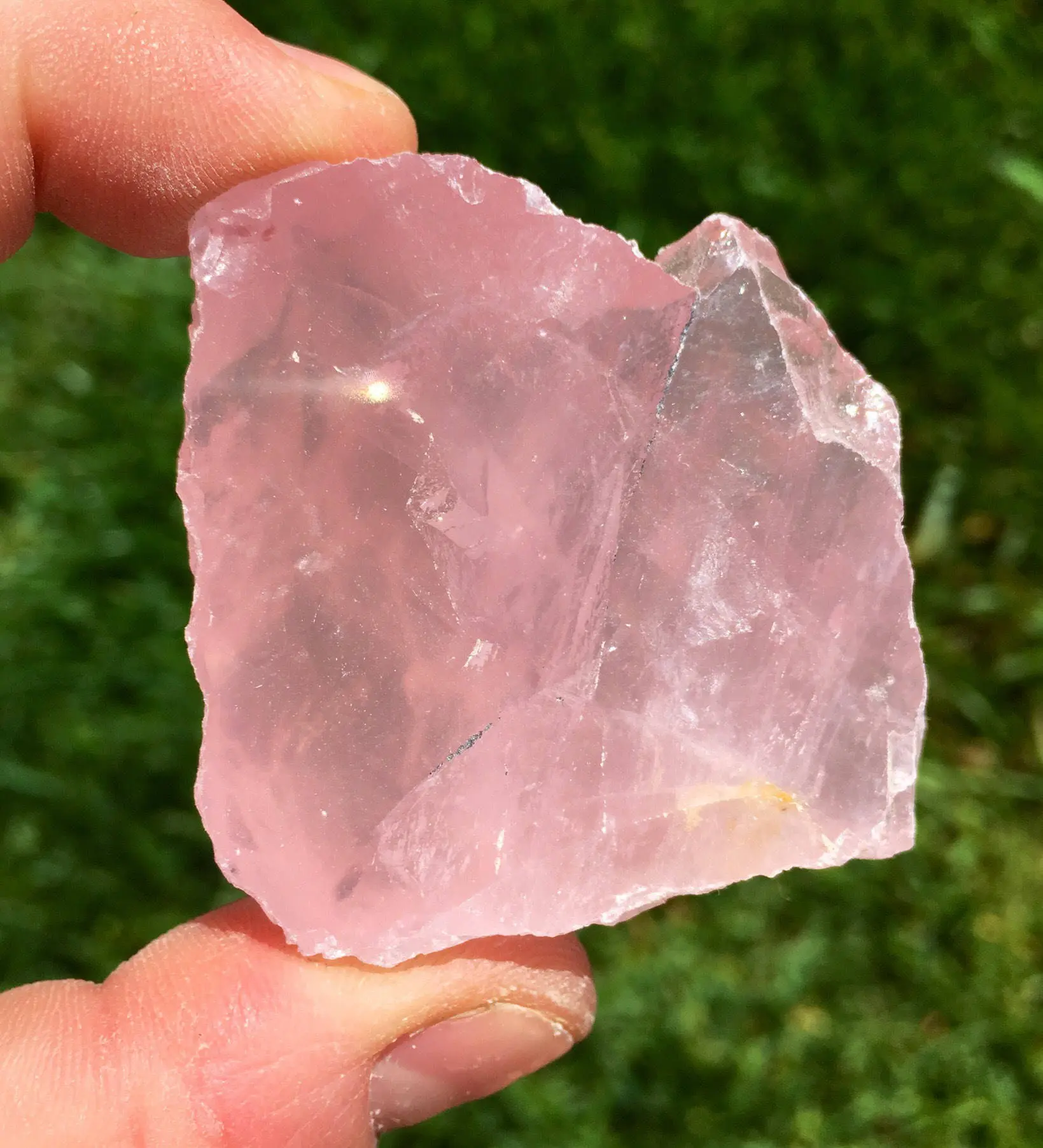
Rose quartz and jade are both pitched as stress-relief tools, but they work in different ways. A side-by-side, what WebMD and the cortisol research actually say, and the pick by stress type.
Walk into any crystal shop and you'll see two claims: "jade balances and calms" and "rose quartz opens the heart and reduces stress." Both are riding the same wave of cortisol-aware wellness marketing. After cross-referencing WebMD's face-rolling guide, the 2023 Journal of Cosmetic Dermatology study, and several Byrdie and Well+Good interviews, here's what the evidence actually supports — and what it doesn't.
The Mechanism: What Stress Relief From a Roller Really Is
A face roller, regardless of stone, produces a stress-relief effect through three mechanisms — only one of which is stone-dependent.
| Mechanism | Jade | Rose Quartz | Both Equal? |
|---|---|---|---|
| Cooling sensation (parasympathetic activation) | 4–5 min at room temp; cold stone feel | 6–8 min at room temp; slightly warmer feel | Comparable |
| Mechanical massage (muscle relaxation) | Same | Same | Identical |
| Crystal "energy" (belief-based effect) | TCM: balance/protection | Crystal healing: love/calm | Both unsupported by science; effect comes from belief, not stone |
What the WebMD coverage actually says: "Some studies suggest that using these roller stones may help relieve stress and lower cortisol levels." The mechanism is the ritual + the touch, not the crystal's intrinsic energy. This is consistent across the dermatology literature.
Where Rose Quartz Has a Real Edge
Despite the "all rollers are equal" take, rose quartz has a measurable advantage in two stress-related scenarios:
1. Longer Cooling for Acute Stress
Rose quartz stays cool against the skin for 6–8 minutes (vs. 4–5 for jade). For someone in the middle of a panic attack or a high-stress moment, that extra 2–3 minutes of cool-to-the-touch sensation is meaningful. The face-cooling effect activates the parasympathetic nervous system through trigeminal nerve stimulation, and longer contact = longer parasympathetic activation.
2. The "Self-Care" Belief Loop
This sounds like mysticism, but it's not: the placebo effect is real and well-documented for stress and pain. If you genuinely believe rose quartz will calm you more, then for you, it will. The reverse is also true — if you think jade is more "grounding" because of TCM associations, that belief creates the calming effect.
Red flag in the industry: "Stress-relief" rose quartz rollers priced 2–3× above standard rose quartz rollers are usually the same stone in a prettier box. The stress-relief marketing is positioning, not a different product. Don't pay extra for the label.
Where Jade Has a Real Edge
1. Faster Temperature Drop for Hot, Flushed Stress
Jade has higher thermal conductivity than rose quartz, meaning it pulls heat from the skin faster. If you have a stress response that includes facial flushing (common in social anxiety and high-blood-pressure-adjacent stress), jade cools the skin down more aggressively in the first 60 seconds. This is the "deeper cold" sensation users report.
2. Cultural Continuity for TCM Practitioners
If you practice or follow TCM, jade's traditional associations (yin energy, balance, protection) are themselves stress-relieving through the belief mechanism. Switching to rose quartz because it "looks prettier" may actually reduce the calming effect if your practice is rooted in TCM.
Stress-Type Match-Ups
| Type of Stress | Pick | Why |
|---|---|---|
| Acute anxiety / panic | Rose quartz (chilled) | Longer cool contact = longer parasympathetic activation |
| Work burnout / chronic stress | Either — pick the one you enjoy holding | Ritual consistency matters more than stone choice |
| Facial flushing / hot stress | Jade (chilled or room temp) | Faster heat removal from skin |
| TCM-aligned practice | Jade | Traditional associations support the calming belief loop |
| Crystal-healing practice | Rose quartz | "Heart chakra" / love associations support the belief loop |
| Pre-event nerves | Rose quartz (in freezer 30 min) | Longer cool contact during high-stakes moments |
What "Cortisol Reduction" Claims Actually Mean
WebMD's coverage cites a 2018 study on facial rolling and cortisol — it found that 10 minutes of facial massage reduced self-reported stress and salivary cortisol in 32 participants. The stone used wasn't specified. The mechanism is the massage, not the stone. If you want the cortisol-lowering effect, do 10 minutes of consistent rolling, regardless of which stone.
FAQ
Does rose quartz really reduce stress more than jade?
Not measurably. The cortisol reduction comes from the rolling motion and the cooling sensation, both of which both stones provide. If you prefer rose quartz aesthetically or culturally, you'll use it more consistently — and consistency is what actually reduces stress.
Is rose quartz or jade better for anxiety before bed?
Both work. The key is to use the same one every night for 4–5 minutes as part of a wind-down ritual. The ritual — not the stone — is what signals your nervous system to shift into rest mode.
Can I use both stones in the same routine?
Yes. Many users keep rose quartz at the bedside for evening wind-down and jade in the fridge for morning depuffing. Different stones for different jobs.
Why are "stress relief" rollers more expensive?
Marketing. Same stone, prettier box. The price premium is for the label, not the tool.
📅 June 1, 2026 ⏱️ 7 min read 🏷️ Stress Relief, Cortisol, Crystals