Jade Roller for Oily Skin: Does Rolling Actually Help or Make It Worse?
Published on May 17, 2026 | 7 min read
The first thing every oily-skinned person asks before picking up a jade roller: "Is this just going to make my face even greasier?" Fair question 鈥?and the answer is actually more interesting than a simple yes or no. Rolling can help oily skin when done right, but the wrong approach absolutely makes things worse. Here's the line between the two.
馃搵 In This Guide
The Science: Why Oily Skin Reacts Differently to Rolling
Oily skin produces excess sebum 鈥?your skin's natural oil 鈥?due to overactive sebaceous glands. The concern with rolling is that mechanical stimulation might trigger even more oil production. And here's the nuance: gentle stimulation can normalize oil production through improved circulation, but aggressive rolling can indeed stimulate the sebaceous glands.
The T-zone (forehead, nose, chin) has the highest concentration of sebaceous glands. Rolling this area requires the lightest touch 鈥?what feels "normal" on your cheeks is potentially excessive on your nose. This is the opposite of what most oily-skinned people assume (they think oily skin needs "tougher" treatment).
One overlooked factor: jade's natural coolness provides a mild anti-inflammatory effect that can calm the low-grade inflammation often present in oily skin. For more on how jade's thermal properties work, our thermal conductivity guide explains the science.
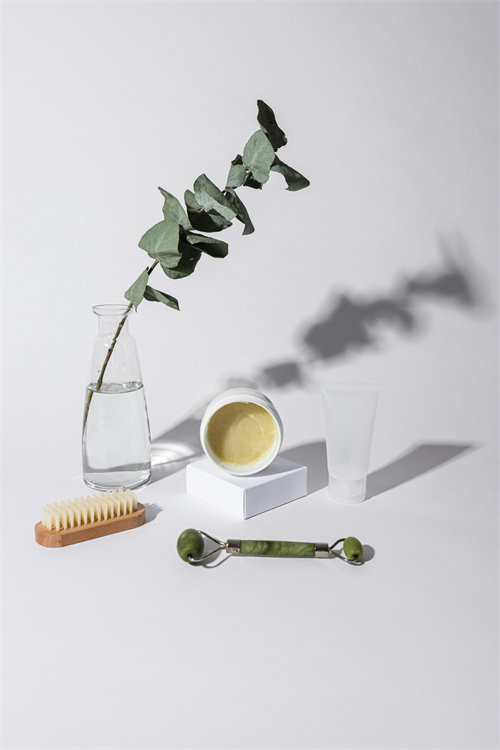
How Rolling Can Help Oily Skin
- Improves product penetration without adding oil. Oily skin often needs active ingredients (niacinamide, salicylic acid) but the sebum barrier makes absorption difficult. Rolling gently pushes these actives through the oil barrier without requiring greasy carrier creams.
- Reduces inflammation-related oil spikes. When oily skin gets inflamed (from harsh products, picking, or environmental stress), the sebaceous glands often overproduce oil as a protective response. Rolling's cooling and drainage effects can calm this cycle.
- Lymphatic drainage reduces facial congestion. Stagnant fluid and sluggish circulation make oily skin look duller and feel heavier. Gentle drainage 鈥?which rolling is specifically good at 鈥?addresses both. Our lymphatic drainage guide covers the mechanics.
When Rolling Makes Oily Skin Worse
| Situation | What Happens | What to Do Instead |
|---|---|---|
| Rolling on unwashed face | Pushes surface oil and bacteria deeper into pores 鈫?breakouts | Always cleanse first 鈥?double-cleanse if you've been wearing sunscreen |
| Using heavy facial oils as slip | Excess oil + product oil = clog city. Heavy oils (coconut, avocado) are comedogenic for oily skin | Use water-based serum or lightweight gel moisturizer. A single drop of jojoba or squalane oil max |
| Too much pressure on T-zone | Mechanical stimulation of sebaceous glands 鈫?increased oil production for 24-48 hours | T-zone gets feather-light pressure only. Let the roller's own weight do the work |
| Not cleaning the roller | Dirty roller transfers bacteria back to face 鈫?acne breakouts | Wipe after every use, disinfect weekly |
鈿狅笍 Active acne warning: If you have active, inflamed breakouts (papules, pustules, cysts), do NOT roll over them. Rolling spreads bacteria across your face and can turn a few spots into a full breakout. Roll around breakouts only, and if acne is widespread, pause until it calms. See our active acne safety guide.
The Oily-Skin Rolling Routine
Morning (5 minutes)
- Cleanse 鈥?use a gentle foaming cleanser. Avoid stripping formulas 鈥?they trigger rebound oil production.
- Apply niacinamide serum 鈥?3-4 drops, spread evenly but don't rub in completely. Niacinamide regulates sebum production and pairs brilliantly with rolling for oily skin.
- Roll lightly 鈥?standard outward strokes, but with 25% less pressure than normal. If your skin is naturally oily, you're erring on the side of too gentle, not too firm.
- Under-eye only 鈥?if your T-zone is particularly oily that morning, skip it entirely and focus only on under-eyes and jawline. For under-eye specifics, see our under-eye technique guide.
- Finish with oil-free SPF 鈥?rolling after SPF? Check our SPF rolling guide for the correct order.
Evening (5-7 minutes, 3x/week)
- Double-cleanse 鈥?oil cleanser to remove SPF/makeup, then water-based cleanser
- Apply salicylic acid or retinol serum 鈥?wait 60 seconds for partial absorption
- Roll with feather-light pressure 鈥?focus on cheeks, jawline, neck. Minimal T-zone contact
- Oil-free moisturizer 鈥?gel or gel-cream texture. Nothing creamy or occlusive
馃幆 Oily skin golden rule: If your face feels "slick" after rolling, you used too much product or too much pressure. You should feel cool and refreshed, not greasy. Cleanse and try again with less product tomorrow.
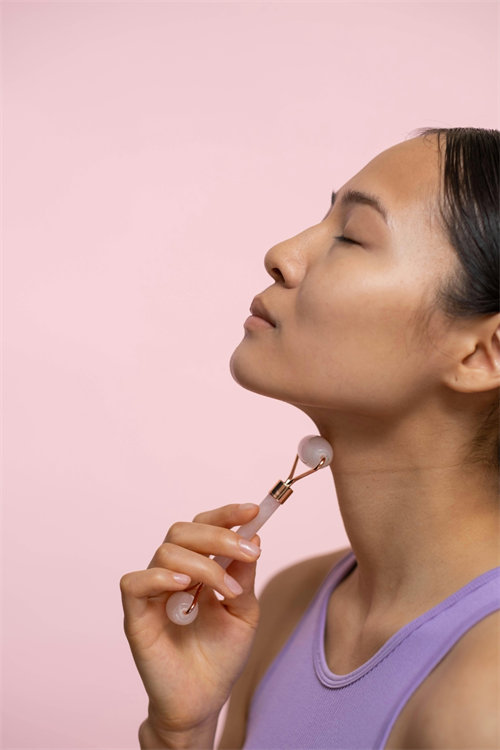
What Products to Use (and Avoid)
| Use These | Avoid These | Why |
|---|---|---|
| Niacinamide serum | Heavy facial oils (coconut, avocado, almond) | Niacinamide regulates sebum; heavy oils clog pores |
| Hyaluronic acid (water-based) | Occlusive moisturizers (petroleum, shea butter) | HA hydrates without oil; occlusives trap sebum |
| Salicylic acid serum | Fragrance-heavy products | BHA penetrates oil; fragrance irritates oily skin |
| Gel-cream moisturizers | Thick creams with dimethicone high on the list | Gel textures absorb; heavy silicones sit on top |
| Jojoba or squalane (1 drop max) | Any product that leaves a visible sheen | These mimic natural sebum; oily sheen = too heavy |
Frequently Asked Questions
Does jade rolling make my face produce more oil?
With the correct light pressure, no 鈥?it can actually help normalize production through improved circulation. With heavy pressure or aggressive T-zone rolling, yes 鈥?it can stimulate sebaceous glands. The difference is entirely in your technique pressure.
Can I use a jade roller if I have combination skin?
Yes, and you should treat your face as two zones: T-zone gets the "oily skin" light pressure protocol, U-zone (cheeks, jaw) gets standard pressure. This zone-specific approach is what makes rolling work well for combination skin. Our sensitive skin guide covers more skin-type-specific adjustments.
How often should I clean my roller if I have oily skin?
After every single use 鈥?no exceptions. Oily skin produces more sebum, which means more product residue and oil on the roller head. A quick wipe with a damp microfiber cloth post-session, plus a weekly deep clean. Full disinfection guide here.
Is a cold roller better for oily skin?
Yes 鈥?cold constricts blood vessels and pores temporarily, which can reduce the appearance of enlarged pores (common in oily skin). 10 minutes in the fridge before use is ideal. Don't freeze 鈥?extreme cold can damage the skin barrier, and oily skin already has a compromised barrier from over-cleansing in many cases.
Disclaimer: This article is for general informational purposes only and does not constitute medical or dermatological advice. For persistent oily skin or acne concerns, consult a board-certified dermatologist.
For more skin-type-specific guidance, explore our Usage Tips section or check our FAQ collection.