Jade Roller for Sensitive Skin: Complete Guide
Jade rolling can be one of the most soothing additions to a sensitive skin routine — or it can trigger redness, irritation, and breakouts if done wrong. This guide walks you through everything you need to know to use a jade roller safely on reactive, easily irritated skin.
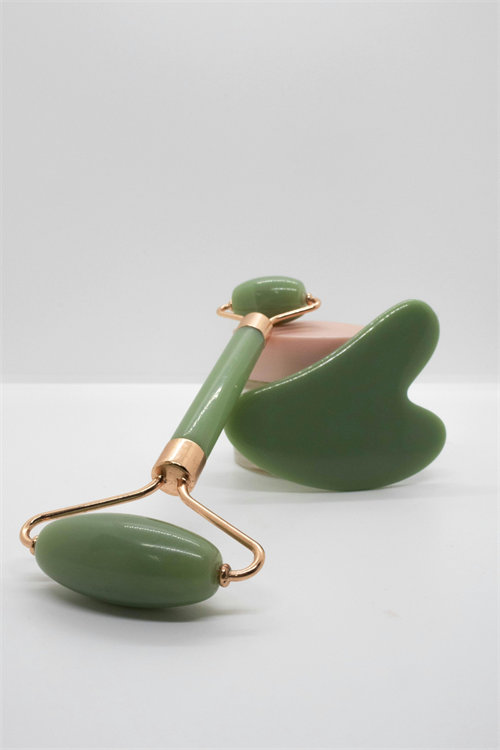
What You'll Learn
Why Sensitive Skin Needs Special Jade Roller Care
Sensitive skin has a compromised skin barrier — the outermost layer of cells and lipids that locks moisture in and keeps irritants out. When the barrier is weak, even gentle pressure from a jade roller can trigger inflammation, especially if the stone itself is treated with coatings or if the rolling pushes products deep into pores unnecessarily.
The Mayo Clinic notes that sensitive skin can react to cosmetic tools, temperature changes, and even well-intentioned skincare practices. This means that what works for "normal" skin types may actively harm reactive skin.
Jade rollers offer genuine benefits for sensitive skin — including improved microcirculation, reduced puffiness, and a cooling sensation that calms histamine-related flushing — but only when the tool and technique are matched to your skin type.
Key Insight: Sensitive skin responds best to cool (not cold) jade rollers and short, gentle sessions of 2–3 minutes maximum. Cold rolling below 40°F can trigger vasoconstriction in already-reactive skin, making post-roll flushing worse.
Stone Selection: Which Jade Type is Least Reactive for Sensitive Skin
Not all jade rollers are equal when it comes to sensitive skin compatibility. The molecular structure, porosity, and surface treatment of the stone all influence how your skin will react.
Nephrite Jade: The Most Biocompatible Choice
Nephrite is the denser, more compact of the two jade varieties (nephrite vs. jadeite). Its crystalline structure means fewer microscopic pores on the surface, which reduces the chance of harboring bacteria and minimizes chemical interaction with skincare products. According to NIH research on mineral-based skincare tools, nephrite's dense molecular matrix releases fewer trace elements when in contact with water or skin oils, making it less likely to trigger sensitization responses.
Avoid These If You Have Sensitive Skin
- Dyed or Treated Stones: Any jade roller with added colorants or surface coatings can off-gas or flake into pores, causing contact dermatitis.
- Jadeite (Higher Jade): More porous than nephrite, which means more surface area for bacteria accumulation and potentially more trace element release.
- Glass or Resin "Jade" Copies: These synthetic materials often contain compounds that sensitive skin reacts to, and their manufacturing processes are less regulated.
If you're looking for a jade roller specifically for sensitive skin, our white jade facial roller guide explains how white nephrite differs from other varieties in terms of purity and skin compatibility.
Preparing Your Jade Roller and Skin for Sensitive Use
Proper preparation is the difference between a calming session and a reactive disaster. Follow these steps before every use.
Step 1: Clean the Stone
Wash your jade roller with lukewarm water and a fragrance-free, gentle cleanser. Avoid soap with dyes, perfumes, or essential oils — these can leave residues that migrate to your face during rolling. For a deeper clean once a week, wipe the stone with a soft cloth dipped in a diluted mixture of water and white vinegar, then rinse thoroughly. Our jade roller cleaning guide has more detail on safe cleaning methods for reactive skin.
Step 2: Bring It to Room Temperature
Never use a freezer-cold jade roller on sensitive skin. Extreme cold causes capillaries to constrict, which can lead to redness, tingling, or a burning sensation when blood flow returns. Instead, store your roller at room temperature or in the fridge door (not the freezer) for a mild cooling effect. The ideal rolling temperature is 60–68°F.
Step 3: Apply a Minimal Layer of Product
For sensitive skin, less is more. Apply a thin layer of fragrance-free, minimal-ingredient moisturizer or facial oil before rolling. Heavy creams or layered serums can be forced into pores by the roller, causing congestion. Learn the correct order for combining jade rollers with skincare products to avoid this common mistake.
Gentle Rolling Technique for Reactive Skin
The technique matters as much as the tool. Here is the approach we recommend for sensitive skin types:
- Direction: Always roll upward and outward following lymphatic drainage pathways. Avoid dragging downward or applying pressure that stretches skin downward.
- Pressure: Use the lightest touch possible — let the weight of the stone do the work. If you can feel pressure, it's too much.
- Speed: Roll slowly, spending 5–10 seconds per stroke. Fast rolling generates friction heat, which can irritate sensitive skin.
- Duration: Limit sessions to 2–3 minutes per area. More is not better for reactive skin.
- Frequency: Start with 2–3 times per week and assess your skin's response before increasing frequency.
Tip: If you feel any tingling, burning, or see immediate redness during rolling, stop immediately. That is your skin telling you something is wrong — either the pressure, temperature, or product is not compatible with your skin type.
Ingredients and Practices to Avoid on Sensitive Skin
Even if your jade roller technique is perfect, certain combinations can cause problems.
Products to Avoid Before Rolling
- Exfoliating acids (AHA/BHA): Using a jade roller over skin that has recently been exfoliated with acids can cause severe irritation and compromise the barrier further.
- Retinoids: Retinoid-treated skin is more vulnerable to mechanical irritation. Wait at least 30 minutes after applying retinoids before rolling.
- Vitamin C serums: High-concentration vitamin C can be sensitizing. If you want to use both, apply vitamin C, wait 20 minutes, then roll with a light moisturizer over it.
- Perfumed products: Any product with added fragrance can interact with the stone surface and cause contact reactions.
The American Academy of Dermatology recommends avoiding mechanical stimulation on skin that is actively inflamed or experiencing conditions like rosacea, eczema, or perioral dermatitis.
Warning Signs Your Skin is Reacting to Jade Rolling
It is important to recognize early signs of a negative reaction so you can stop and adjust before causing lasting damage.
| Symptom | Likely Cause | What to Do |
|---|---|---|
| Persistent redness lasting >30 min after rolling | Too much pressure or cold temperature | Reduce pressure; ensure roller is room temperature |
| Burning or stinging sensation | Product incompatibility or barrier damage | Stop rolling; review products used; try with just water |
| Bumps or acne-like breakouts | Bacterial buildup on stone or product being pushed into pores | Deep clean the roller; reduce product layers |
| Swelling or significant puffiness | Overuse or incorrect lymphatic direction | Reduce frequency; roll only upward/outward |
| Flaking or increased dryness | Over-stripping of natural oils | Roll less frequently; apply more moisturizer |
If symptoms persist after 48 hours of not rolling, consult a dermatologist.
Frequently Asked Questions
Can I use a jade roller if I have rosacea?
Yes, but with caution. Rosacea-prone skin is highly reactive to temperature extremes and mechanical stimulation. Use a room-temperature (not cold) jade roller with the lightest possible pressure, and limit use to once a week initially. Some people with rosacea find that the cooling effect actually helps reduce facial flushing, but others experience worsened symptoms. Our full guide on jade rolling and rosacea covers this in detail.
Should I use a jade roller if I have eczema on my face?
No. Eczema lesions represent areas where the skin barrier is severely compromised. Rolling over these areas can introduce bacteria, worsen inflammation, and delay healing. Avoid the affected areas entirely. If you want to use a jade roller, wait until eczema is fully cleared and start with very gentle, minimal sessions.
How often should someone with sensitive skin use a jade roller?
Start with twice a week and monitor your skin's response over two weeks. If there are no adverse reactions, you can increase to every other day. Do not exceed daily use. Sensitive skin needs recovery time between sessions. If you experience any negative reactions, drop back to once a week or stop entirely.
Can I use my jade roller over a sheet mask?
Our efficiency guide covers this topic in depth, but for sensitive skin, we do not recommend it. The mechanical pressure on a saturated sheet mask can cause excessive product absorption in a short time, overwhelming reactive skin.
Is white jade better than green jade for sensitive skin?
White jade (a form of nephrite) is often slightly denser and less porous than green nephrite, which theoretically makes it slightly more suitable for sensitive skin. However, both are acceptable if the stone is genuine and untreated. Our white jade guide explains the differences further.
Why is my jade roller turning white after use?
This is typically mineral deposits from water or skincare products. Our color change guide explains what this means and how to safely clean it without damaging the stone surface.