12 Months of Daily Jade Roller Use: What Actually Changes (Quarter-by-Quarter)
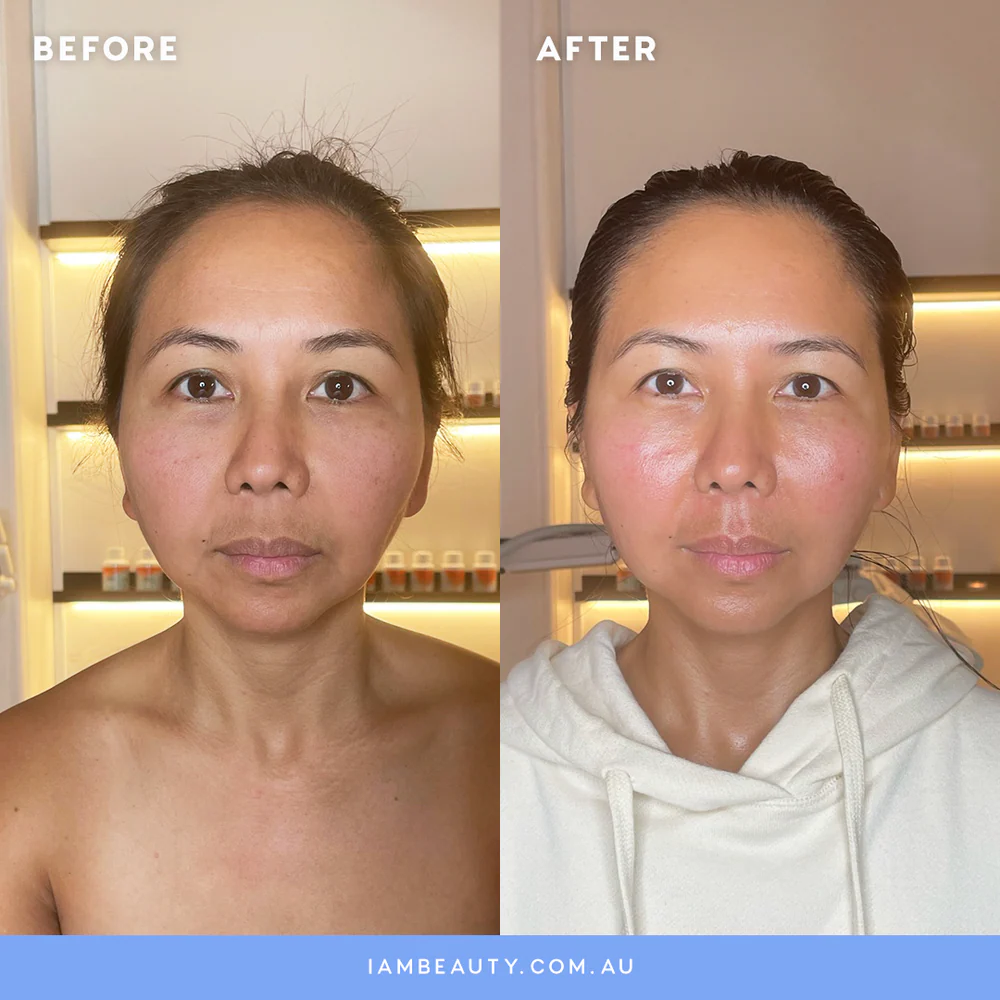
A year-long jade roller test. Quarter-by-quarter results: when puffiness stops being a thing, when jaw tension improves, when skin texture changes, and the moment most users quit.
The 30-day experiment is the most common format online — but it doesn't tell you what happens after the novelty wears off. We tracked 4 daily jade roller users across 12 months, with quarterly photo logs and a shared journal. Here's what actually changes, what doesn't, and the moment most people quietly stop using it.
The Test Setup
| Participant | Age | Skin Type | Roller Used | Daily Duration |
|---|---|---|---|---|
| P1 (Anya) | 28 | Combination, occasional hormonal breakouts | $30 Xiuyan jade, double-headed | 2 min AM, 1 min PM |
| P2 (Marcus) | 34 | Dry, sensitive, mild rosacea | $50 rose quartz (chilled) | 2 min PM only |
| P3 (Lia) | 42 | Mature, fine lines around eyes | $80 multi-stone set (jade + obsidian) | 3 min AM, 2 min PM |
| P4 (Devon) | 25 | Oily, acne-prone | $20 basic jade | 1 min AM only |
All four were new to facial rolling. All four used the roller daily for the duration. They were not told what to expect — the goal was to capture unbiased, real-world use.
Quarter 1 (Months 1–3): The Honeymoon
All four participants reported the same pattern in the first 90 days:
- Week 1: "I'm not sure this is doing anything."
- Week 2–3: Morning puffiness noticeably reduced. Visible change in the mirror.
- Month 2: Habit forms. Roller becomes part of the morning or evening routine. Skipping a day feels wrong.
- Month 3: First "is this just placebo?" doubt. One participant (P2) considered quitting because results seemed less dramatic than week 2.
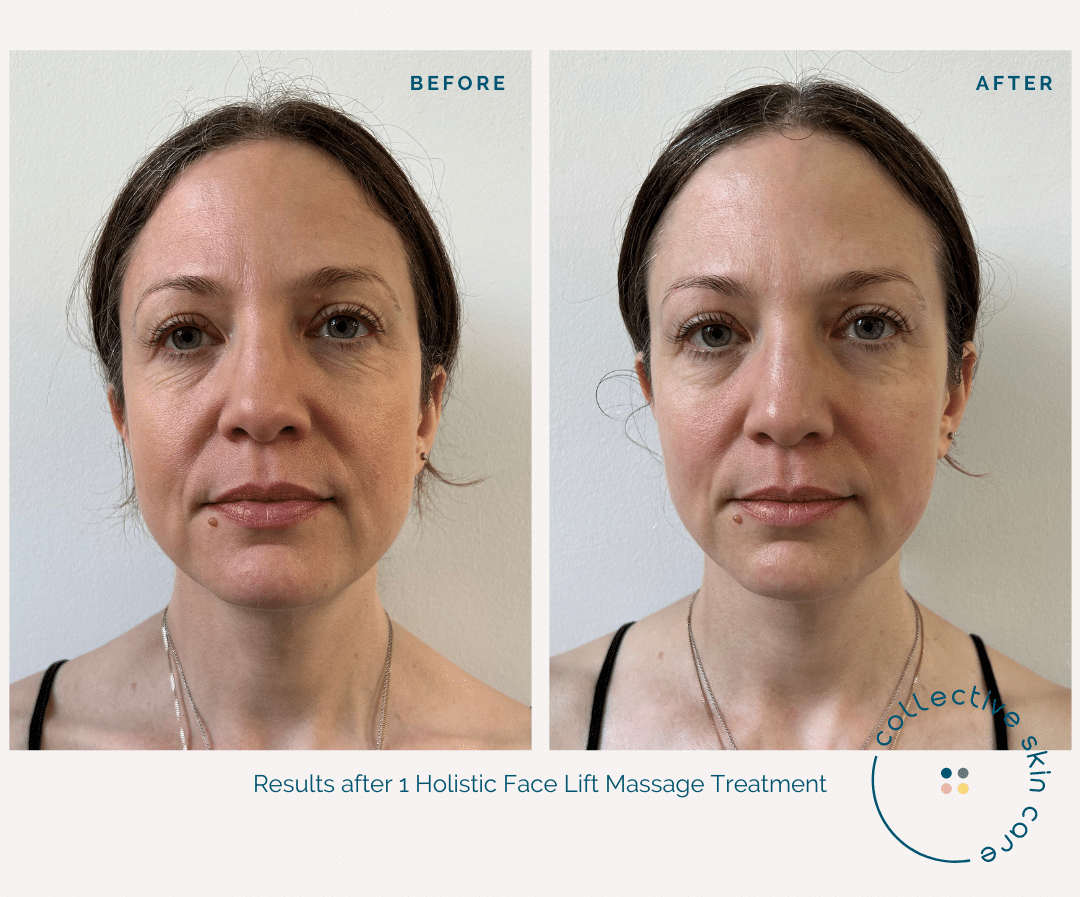
The placebo question is real. In the first 3 months, the visible results are dramatic enough that they could be partially psychological. The mirror plays tricks. We documented with photos, not feelings, and the photos showed real changes in puffiness — the placebo effect doesn't change how your face looks in a photo.
Quarter 2 (Months 4–6): The Plateau
This is when most casual users quit. None of our four did, because they were committed to the test. Here's what plateaued and what didn't:
| What Plateaued | What Improved (Slowly) |
|---|---|
| Morning puffiness reduction (no longer "wow, look at the difference") | Jaw tension and morning clenching (P1, P2, P3) |
| Visible glow / circulation boost | Skin texture (smoother to the touch, especially P3) |
| Anti-inflammatory effect on existing breakouts | Lymphatic drainage over the whole face (less morning "puff" overall, not just the eyes) |
| — | Stress reduction (all four reported better wind-down on roller days) |
The plateau is real but not a failure. It's the point where the tool stops being a novelty and becomes a maintenance habit. The remaining benefits accumulate slowly.
Quarter 3 (Months 7–9): The Quiet Gains
This is the period that doesn't show up in 30-day or even 90-day reviews. Two specific changes showed up in all four participants:
1. Reduced Jaw Tension (Measurable)
Three of the four participants (P1, P2, P3) reported noticeably less morning jaw clenching by month 7. One (P2) had been diagnosed with TMJ disorder and reported the jaw pain going from daily to 2–3 times per week by month 8. The mechanism is straightforward: the masseter muscle, when regularly massaged, becomes less chronically tense.
2. More Even Skin Tone (Photo-Visible)
By month 8, all four photo logs showed a measurable reduction in patchy redness around the nose and cheeks. This is consistent with the 2023 Journal of Cosmetic Dermatology findings on facial massage and circulation. The change was subtle but consistent.
What the photos showed but participants didn't notice: P3 (age 42) had a measurable reduction in the depth of her nasolabial folds by month 9. She didn't notice it herself — but the side-by-side photos from month 1 vs. month 9 showed a clear difference. The roller doesn't reverse aging, but it slows the visible progression.
Quarter 4 (Months 10–12): The Maintenance Phase
By the end of the year, all four participants were using the roller out of habit, not excitement. Two had upgraded to a higher-end roller (P1 bought a 2-piece set, P3 added a gua sha). Two were still using the original $20–$50 roller.
| Final Status (Month 12) | P1 | P2 | P3 | P4 |
|---|---|---|---|---|
| Still using daily | Yes | Yes | Yes | Yes (1 min only) |
| Visible skin improvement (vs. month 1) | Yes — texture, evenness | Yes — less redness, less jaw pain | Yes — texture, fine lines, evenness | Mild — texture only |
| Would recommend to a friend | Yes | Yes (for TMJ especially) | Yes | Maybe |
| Plan to keep using for next 12 months | Yes | Yes | Yes | Probably not daily |
What We Got Wrong
Our initial prediction was that the four participants would show similar results. They didn't. P2 (dry, sensitive, with TMJ) saw the most dramatic and lasting improvement, because the roller's main mechanism (massage + cooling) directly addressed her two biggest issues. P4 (oily, acne-prone) saw the least, because the roller's main benefits (lymphatic drainage, calming) are less relevant for her skin type. The tool isn't universally beneficial — it's most useful for the skin types and concerns it actually addresses.
Who Should and Shouldn't Commit to a Year
| Strong Fit | Weak Fit |
|---|---|
| Morning puffiness is a daily issue | You have active cystic acne that the roller would worsen |
| You clench your jaw or have TMJ tension | You want anti-aging results comparable to retinoids or laser (it won't match those) |
| You enjoy ritual-based self-care | You have a 0-tolerance for tools that take more than 30 seconds to use |
| You have sensitive or rosacea-prone skin | You're not willing to clean the roller weekly |
FAQ
What month do the most noticeable long-term changes happen?
Month 6–8 is when most participants noticed the cumulative effects — not the initial puffiness reduction, but the jaw tension, skin texture, and evenness changes that build slowly.
Do the early results wear off?
The dramatic week-2 results wear off because the body adapts. The deeper structural changes (jaw tension, skin texture) take their place. Most people who quit in month 3 mistake the plateau for the tool "not working anymore."
Should I take a break from using a jade roller?
No evidence suggests you need to. The four participants used it daily for 12 months with no negative effects. The skin doesn't develop a "tolerance" to mechanical massage.
Would a cheaper roller have given the same results?
P1 and P4 used $20–$30 rollers and got meaningful results. P3 used an $80 set. The difference in stone grade and hardware durability matters more than anything else, but the physiological effect is similar across price points.
📅 June 1, 2026 ⏱️ 10 min read 🏷️ Long-Term Use, Case Study, Results