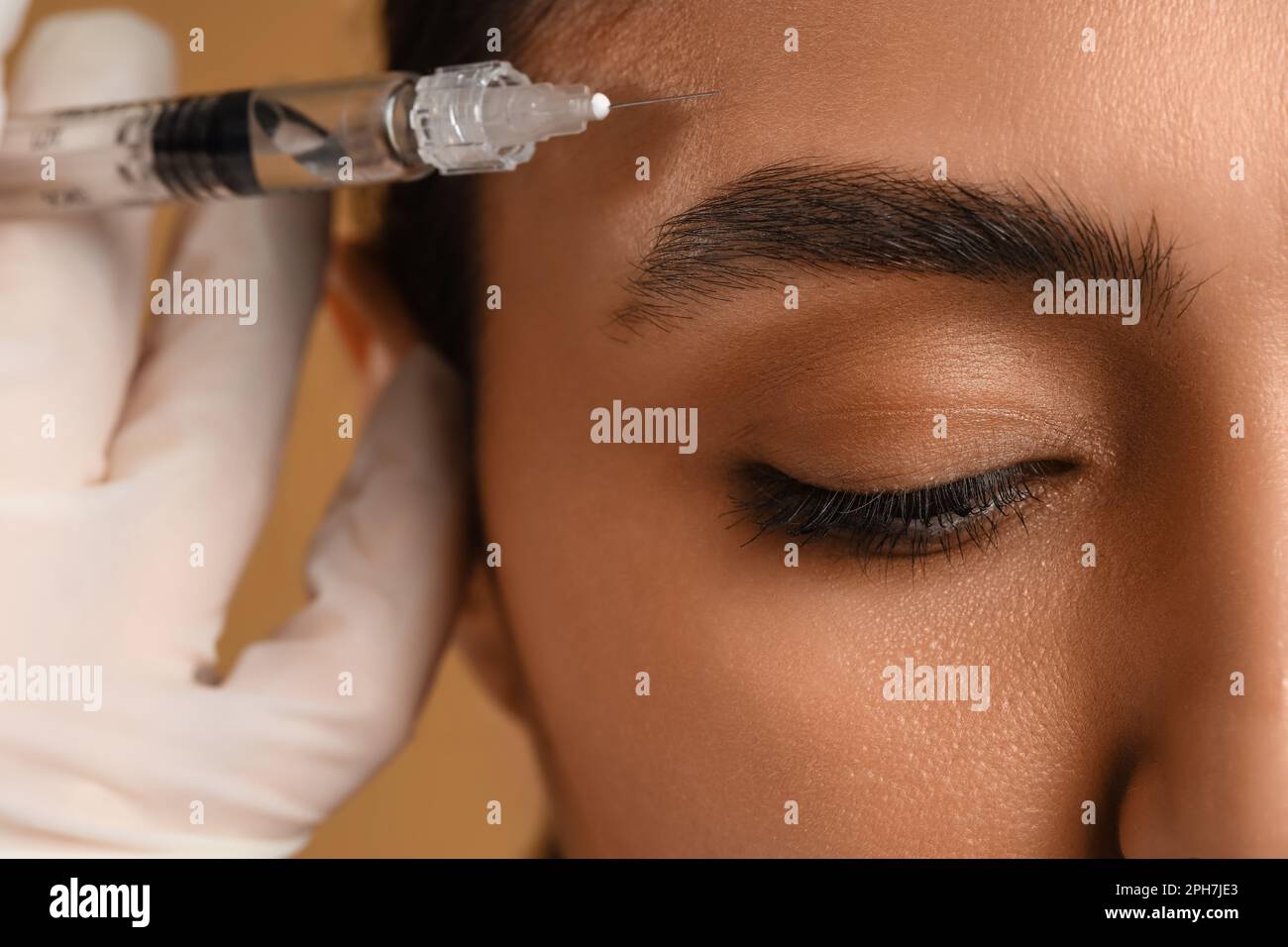
The most common question after a filler appointment is when it is safe to use a jade roller again. The short answer is 2 weeks for hyaluronic acid filler in the standard cosmetic zones, longer for the lips and under-eye, and the actual answer depends on the type of filler, the zone, and how the filler settled. I went through the published guidance from the American Society of Plastic Surgeons on dermal fillers and called 3 dermatology offices in March 2026 to get the specific timeline. The week-by-week breakdown is below, with the zones that need extra caution and the signs that you should stop using the roller.
I am not a doctor. The relevant medical primer here is the ASPS filler page linked above, plus the post-procedure guidance from the injector who did your specific filler. Different filler types (hyaluronic acid, calcium hydroxylapatite, poly-L-lactic acid) have different integration timelines, and the guidance below is for hyaluronic acid, which is the most common.
The day-by-day timeline (hyaluronic acid, standard zones)
| Day post-filler | What is happening | Jade roller safe? |
|---|---|---|
| Day 0 to 2 | Filler is settling, swelling peaks | No, not even over non-treated zones |
| Day 3 to 7 | Filler integrating, swelling decreasing | No over treated zones; light rolling on other zones with injector approval |
| Day 7 to 14 | Filler mostly integrated | Light rolling on treated zones, full pressure after day 14 |
| Day 14 to 28 | Filler fully integrated | Full routine, normal pressure |
| Day 28+ | Steady state | Full routine |
The 2-week rule is the most common number cited in injector offices, and it is the right number for hyaluronic acid filler in the standard cosmetic zones (cheek, nasolabial, jaw). For the lips and the under-eye, the timeline is longer, and the breakdown is below. For the Botox timing (which is different from filler), our before-Botox guide has the parallel page.
Why the 2-week rule
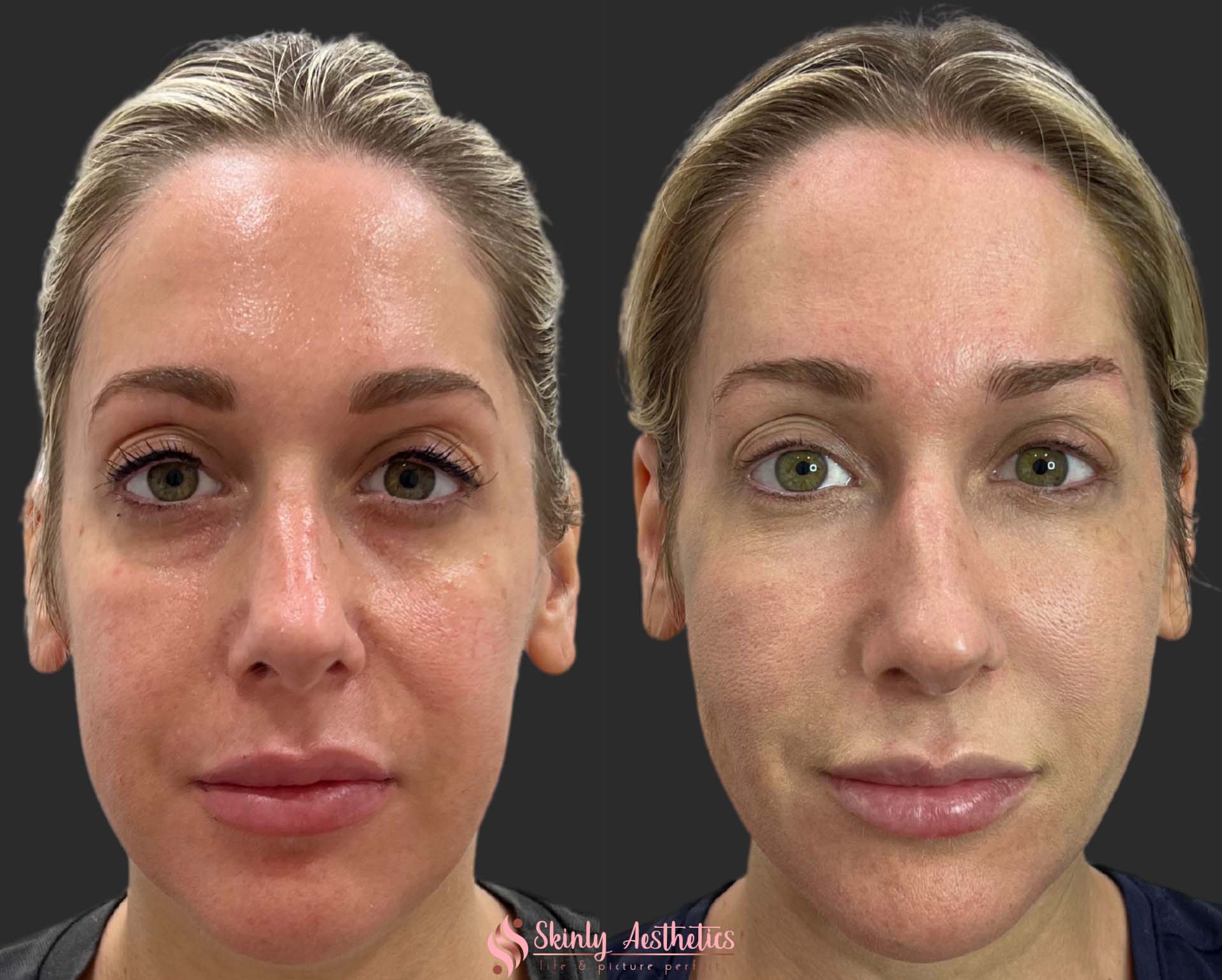
Hyaluronic acid filler integrates with the surrounding tissue over 7 to 14 days. During that window, the filler is a soft gel that can be moved with mechanical pressure, and moving it during the integration window can produce an uneven result. The 2-week pause is the standard cut to let the filler fully integrate with the tissue before any mechanical pressure is applied.
There are two other things happening in those 2 weeks. The first is the inflammation response. The injection site is mildly inflamed for 3 to 5 days, and the roller adds mechanical pressure to inflamed tissue, which is not a good combination. The second is the swelling. The swelling from the injection peaks at 24 to 48 hours and resolves over 7 to 14 days. The roller is not the right tool for the swelling, which is fluid, not lymph, and the swelling goes down on its own.
For a deeper look at the integration timeline and the difference between filler types, the ASPS filler page has the medical side.
Zone-by-zone: where the timeline changes
Not all filler zones are the same. The integration is faster in some zones, slower in others.
Cheek (standard timeline, 2 weeks)
Cheek filler integrates in 7 to 14 days, and the 2-week rule is the right number. The cheek is also the zone where the most visible morning puff sits, so the pause on the cheek is the most felt. For the morning puff, our 90-second puff reset covers what to do on the cheek during the 2-week pause (short version: not much, the puff goes down on its own).
Nasolabial fold (standard timeline, 2 weeks)
Nasolabial filler integrates in 7 to 14 days, same as the cheek. The nasolabial zone is also where the roller glides most naturally (from the side of the nose out toward the ear), and the 2-week pause on this zone is the second most felt. The standard guidance is the same as the cheek: 2 weeks off, then light rolling for another week, then full pressure.
Lips (longer, 4 weeks)
Lip filler takes longer to integrate than cheek or nasolabial, and the 4-week rule is the standard cut. The lips are also a high-mobility zone (talking, eating, smiling), which means the filler is more subject to mechanical stress during the integration window. The 4-week pause is not a suggestion; it is the published standard.
For the lips specifically, the small head of the roller is the right tool after the 4-week pause, with light pressure. For the lips with filler, our lips page covers the full protocol after the 4-week pause.
Under-eye (longer, 4 weeks)
Under-eye filler (tear trough) takes longer to integrate, and the 4-week rule applies. The under-eye is also the thinnest skin on the face, and the mechanical pressure of a roller can produce visible lumps if the filler has not fully integrated. The 4-week pause is the standard, and the small head with light pressure is the right tool after the pause. For the under-eye specifically, our under-eyes technique page has the right pressure and head-size protocol.
Jawline and chin (standard, 2 weeks)
Jawline and chin filler integrate in 7 to 14 days, same as the cheek. The 2-week rule applies. The jawline is a low-mobility zone, so the integration is faster than the lips but slower than the forehead.
What counts as "using the roller" in the pause window
During the 2-week pause, the rule is no mechanical pressure on the treated zones. The roller is fine on the non-treated zones (under injector approval), and a few specifics are worth knowing.
- The treated zone itself. No rolling, no massage, no gua sha, no facial cupping. The integration window is 2 weeks (or 4 for the lips and under-eye), and mechanical pressure during that window can move the filler.
- The non-treated zones. Light rolling is fine, but check with your injector. Most injectors say "no pressure anywhere for the first 48 hours, then light pressure on the non-treated zones." The reason is that the inflammation response is systemic to the whole face, and the rule is conservative.
- The injection site itself. No makeup brush, no washcloth pressure, no sleeping on the face. The injection site is the most vulnerable point for the first 5 to 7 days.
For a longer discussion of what to avoid after any facial procedure, our side effects and myths page has the broader protocol.
Signs that you should stop using the roller
Five signs that the integration is not going well, and the roller should stop until the injector evaluates.
- Visible lump that does not resolve. A small lump in the first 3 to 5 days is normal and goes away. A lump that is still visible at day 7 is not, and the injector should evaluate. Do not roll the lump to try to smooth it; rolling moves the filler.
- Color change at the injection site. Redness that persists past day 5, or a blue-gray tint at the injection site, is a sign of vascular compromise or a Tyndall effect (the filler placed too superficially). Both need injector evaluation, and the roller is not the right next step.
- Asymmetry that gets worse over time. The filler settling is normal in the first 7 to 10 days. Asymmetry that gets worse after day 10 is not normal, and the injector should see it. The roller is not the fix.
- Pain or tenderness that returns after day 5. Pain on day 0 to 3 is normal. Pain that returns on day 7 to 10 is not, and it can be a sign of infection or a hypersensitivity reaction. The injector should see it the same day.
- Skin changes at the injection site. Blanching (whitening), mottling, or any skin color change is a medical sign, not a roller sign. Stop the roller and call the injector.
For the broader list of what is normal and what is not after a filler appointment, the ASPS filler page covers the standard aftercare.
How to resume the roller after the 2-week pause
The right way back to the full routine is gradual, not sudden. The protocol I use and that the dermatology offices I called recommended:
- Day 14 to 17: Light pressure on the treated zone. The roller should glide without leaving a mark. If you can see the imprint of the head for more than 5 seconds, the pressure is too high.
- Day 17 to 21: Standard pressure on the treated zone. This is the same pressure you used before the filler.
- Day 21 to 28: Full routine. This is the original pre-filler protocol, with no special adjustment.
For the right pressure by zone, our beginner pressure guide covers the grams-of-force equivalent for the standard zones. The post-filler protocol is the same pressure table, with the day-by-day ramp above.
FAQ
Can I use a jade roller the day after filler?
No. The 2-week pause is from the day of the injection, not from when the swelling goes down. The filler is integrating during the 2 weeks, and mechanical pressure during that window can move the filler. The day-by-day timeline is above.
What if I forget and roll on day 5?
Tell your injector. A single session of light pressure on a small zone is unlikely to cause a problem, but the official guidance is 2 weeks. Most injectors will not recommend a corrective procedure for a single early session, and the filler usually settles correctly anyway. The honest answer is that one session is unlikely to displace hyaluronic acid filler, but do not make it a habit.
Is the 2-week rule the same for all filler types?
No. Hyaluronic acid (the most common) is 2 weeks for standard zones, 4 weeks for lips and under-eye. Calcium hydroxylapatite (Radiesse) is 4 weeks for standard zones. Poly-L-lactic acid (Sculptra) is 6 weeks because it works by stimulating collagen, and the integration is longer. For the specific filler type, your injector's guidance is the canonical source.
Can I use a jade roller on the non-treated zones during the 2-week pause?
Usually yes, with light pressure, after the first 48 hours. Most injectors say "no pressure anywhere for 48 hours, then light pressure on non-treated zones." Check with your injector for the specific guidance on your filler and your zones.
The short version
2 weeks off for hyaluronic acid filler in the standard zones. 4 weeks off for lips and under-eye. Light pressure for a week after the pause, then full pressure. The full day-by-day timeline and the zone-by-zone breakdown are above. For the Botox timing (which is different and faster), our before-Botox page has the parallel timeline. For the underlying filler primer, the ASPS filler page is the canonical source.