Jade Roller and Gua Sha Together: The Complete Dual-Tool Routine
Updated 2026 | Learn how to combine a jade roller and gua sha in one routine for maximum de-puffing, sculpting, and product absorption. Step-by-step dual-tool guide with timing and technique tips.
Disclaimer
This guide is for general educational purposes only and does not constitute professional skincare or medical advice. Always consult a licensed dermatologist or skincare professional before using any new tool or technique on your skin.
Published on May 17, 2026 | 9 min read
You've got a jade roller in one hand and a gua sha board in the other, and you're wondering: do I really need both, or am I just doubling my bathroom counter clutter? I spent three months testing every combination order, timing, and pressure level so you don't have to guess. Here's the routine that actually works 鈥?and the ones that waste your time.
馃搵 In This Guide
Why Using Both Tools Beats Either One Alone
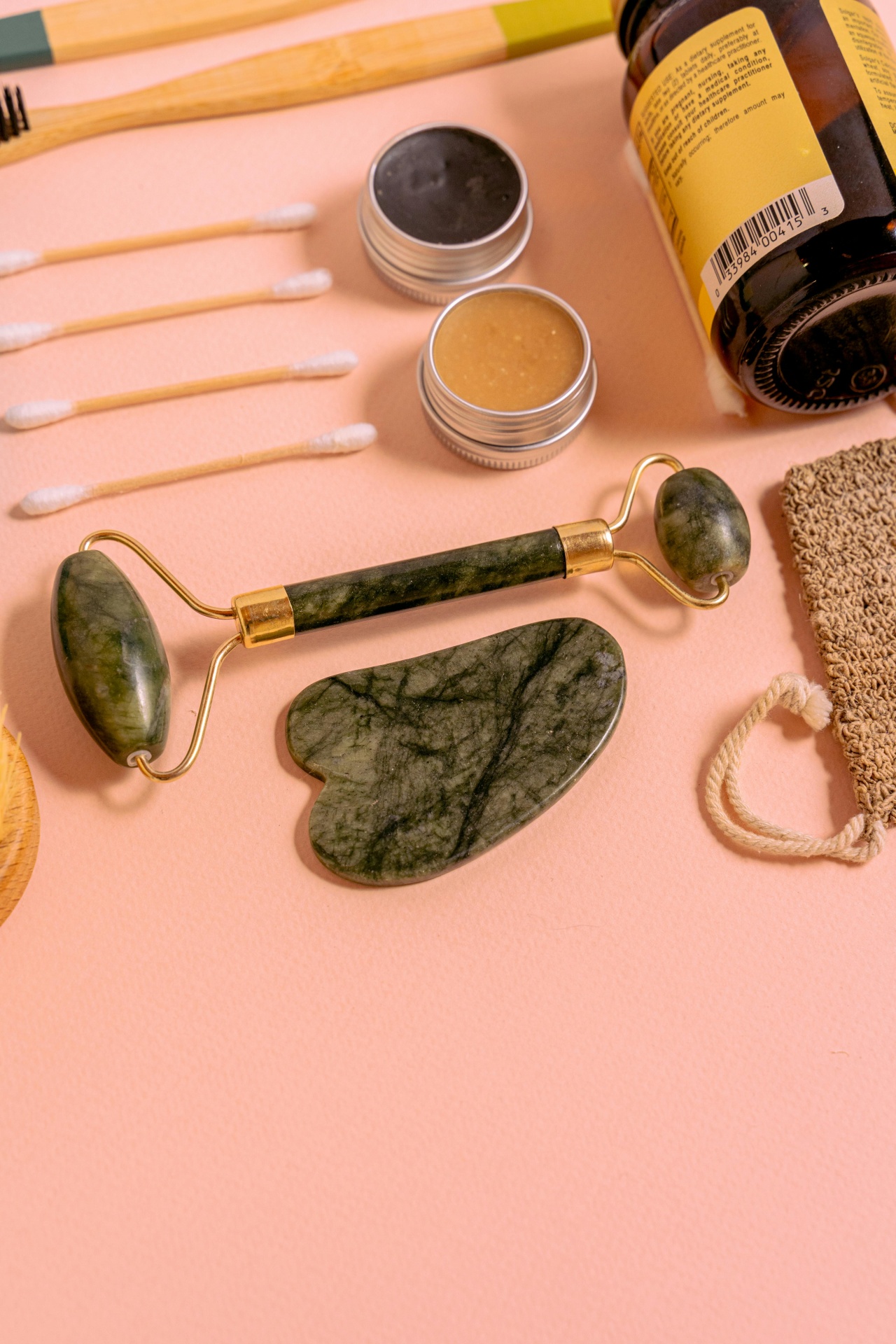
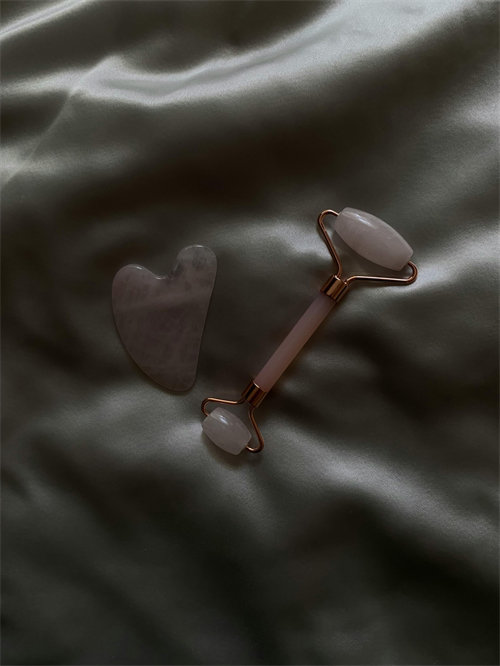
A jade roller and a gua sha board are not competitors 鈥?they're teammates with different specialties. Think of it this way: the jade roller is your broom (sweeping fluid away), and the gua sha is your sculpting tool (reshaping muscle and fascia).
Here's what each tool does best:
| Feature | Jade Roller | Gua Sha Board |
|---|---|---|
| Primary action | Lymphatic drainage, de-puffing | Fascia release, muscle sculpting |
| Pressure type | Gentle, even pressure | Variable, targeted pressure |
| Best for | Quick morning de-puff, product absorption | Jawline definition, tension release |
| Time needed | 3-5 minutes | 5-8 minutes |
| Skill level | Beginner-friendly | Requires angle and pressure awareness |
| Risk of bruising | Very low | Moderate if too much pressure |
When used together in the right order, you get the drain first, sculpt second advantage: the roller clears fluid that would otherwise block the gua sha from reaching deeper tissue. Our full jade roller vs gua sha comparison breaks this down further if you're still deciding which to invest in.
Which Tool Goes First? The Order That Matters
Always roll first, then gua sha. Here's why:
- Rolling opens lymphatic pathways 鈥?gentle outward strokes clear the "pipes" that drain fluid from your face. If you gua sha first, you're pushing fluid into congested pathways and risk increasing puffiness instead of reducing it.
- Rolling warms up the tissue 鈥?the gentle massage increases blood flow and makes fascia more pliable, so your gua sha strokes are more effective with less pressure.
- Rolling distributes your product 鈥?serum applied before rolling gets evenly distributed. Gua sha then presses that product deeper into the skin.
馃挕 The one exception: If you're only doing gua sha for jaw tension or TMJ relief (not a full-face routine), it's fine to skip the roller and go straight to targeted gua sha work. See our TMJ and jaw tension guide for those techniques.
The Complete 10-Minute Dual-Tool Routine
Step 1: Prep (1 minute)
- Cleanse your face and pat dry
- Apply 3-4 drops of facial oil or a hydrating serum 鈥?you need slip. Without it, both tools will drag on your skin. Our top 5 carrier oils guide has recommendations.
- Wait 30 seconds for the product to absorb slightly (not fully 鈥?the surface should still feel slick)
Step 2: Jade Roller 鈥?Drain (3-4 minutes)
- Neck: 3 strokes down each side, from ear to collarbone
- Under-chin: 5 strokes from chin center outward to ear
- Cheeks: 5 strokes from nose outward to ear on each side
- Under-eyes: 3 gentle strokes from inner corner to temple (use the small end of the roller)
- Forehead: 5 strokes from center outward to temple on each side
Use light, consistent pressure. The goal is moving fluid, not pressing deep. For the detailed rolling technique, see our step-by-step jade roller guide.
Step 3: Gua Sha 鈥?Sculpt (5-6 minutes)
- Neck: Using the long edge, 5-7 strokes down each side with medium pressure
- Jawline: Using the curved notch, 5-7 strokes from chin to ear with firm pressure (this is where sculpting happens)
- Cheekbones: Using the flat side, 5 strokes from nose to ear, angled slightly upward
- Brow bone: Using the short edge, 3-5 strokes from inner brow outward
- Forehead: Using the long edge, 5 strokes from center to temple
Hold the gua sha at a 15-45 degree angle to your skin 鈥?not perpendicular (that causes bruising) and not flat (that just slides without effect).
馃幆 Pressure test: If your skin turns bright red during gua sha and the redness lasts more than 10 minutes, you're pressing too hard. A healthy flush should fade within 5 minutes.
Step 4: Finish (30 seconds)
- One final light roller pass over the whole face 鈥?this settles everything and gives a polished look
- Apply your moisturizer or SPF to lock it all in
- Clean both tools with a damp cloth and mild soap

Routines by Skin Concern
Not everyone needs the full 10-minute routine. Here are focused variations:
Morning De-Puff (5 minutes)
- Skip gua sha entirely
- Use a chilled jade roller for 3-4 minutes
- Focus on under-eyes and cheeks
- Follow with SPF 鈥?morning rolling pairs well with proper SPF layering
Evening Sculpting (8 minutes)
- Quick 2-minute roller pass to drain
- 5-6 minutes of focused gua sha on jawline and cheekbones
- Follow with retinol or night serum 鈥?rolling enhances absorption by 20-30%
Tension Relief (7 minutes)
- 2-minute roller warm-up on neck and shoulders
- 5 minutes gua sha on masseter muscle (jaw), temples, and between brows
- Follow with a calming serum
6 Mistakes That Ruin Your Dual Routine
- Doing gua sha first 鈥?you're sculpting before clearing the fluid. Always drain first.
- Using too much pressure with the roller 鈥?rolling isn't deep tissue work. If you feel pain, you're pressing too hard.
- Skipping facial oil 鈥?both tools need slip. Dry dragging causes micro-tears and irritation.
- Going inward instead of outward 鈥?all strokes should move toward your ears and down your neck, following lymphatic flow. This is covered in our lymphatic drainage guide.
- Using gua sha on active breakouts 鈥?the friction spreads bacteria and worsens inflammation. If you have active cystic acne, skip gua sha entirely and use only light rolling around (not on) breakouts.
- Not cleaning between uses 鈥?both tools accumulate product, dead skin, and bacteria. Wipe after every session, deep clean weekly.
Frequently Asked Questions
Can I use jade roller and gua sha every day?
The jade roller is safe for daily use. Gua sha is best limited to 3-4 times per week for most people 鈥?daily gua sha with firm pressure can cause chronic inflammation that actually accelerates skin aging. If you want a daily routine, roll every day and add gua sha every other day.
Do I need separate oils for each tool?
No 鈥?one facial oil works for both. The key is applying enough that both tools glide without dragging. If your gua sha feels "sticky" halfway through, add another drop of oil. A proper product absorption order maximizes benefit from both tools.
Which stone material is best for a dual-tool set?
Nephrite jade for the roller (stays cold longer, denser stone) and either nephrite or bian stone for the gua sha. The gua sha stone needs to be hard enough to apply firm pressure without flexing. Check our nephrite vs jadeite comparison for material details.
Is a dual routine safe during pregnancy?
Gentle rolling is generally safe, but gua sha involves deeper pressure that some healthcare providers recommend avoiding during pregnancy, especially on the neck and jaw. Check our pregnancy safety guide and consult your OB-GYN.
For more tool comparisons, browse our complete comparisons section or check the beginner's complete guide if you're just getting started.