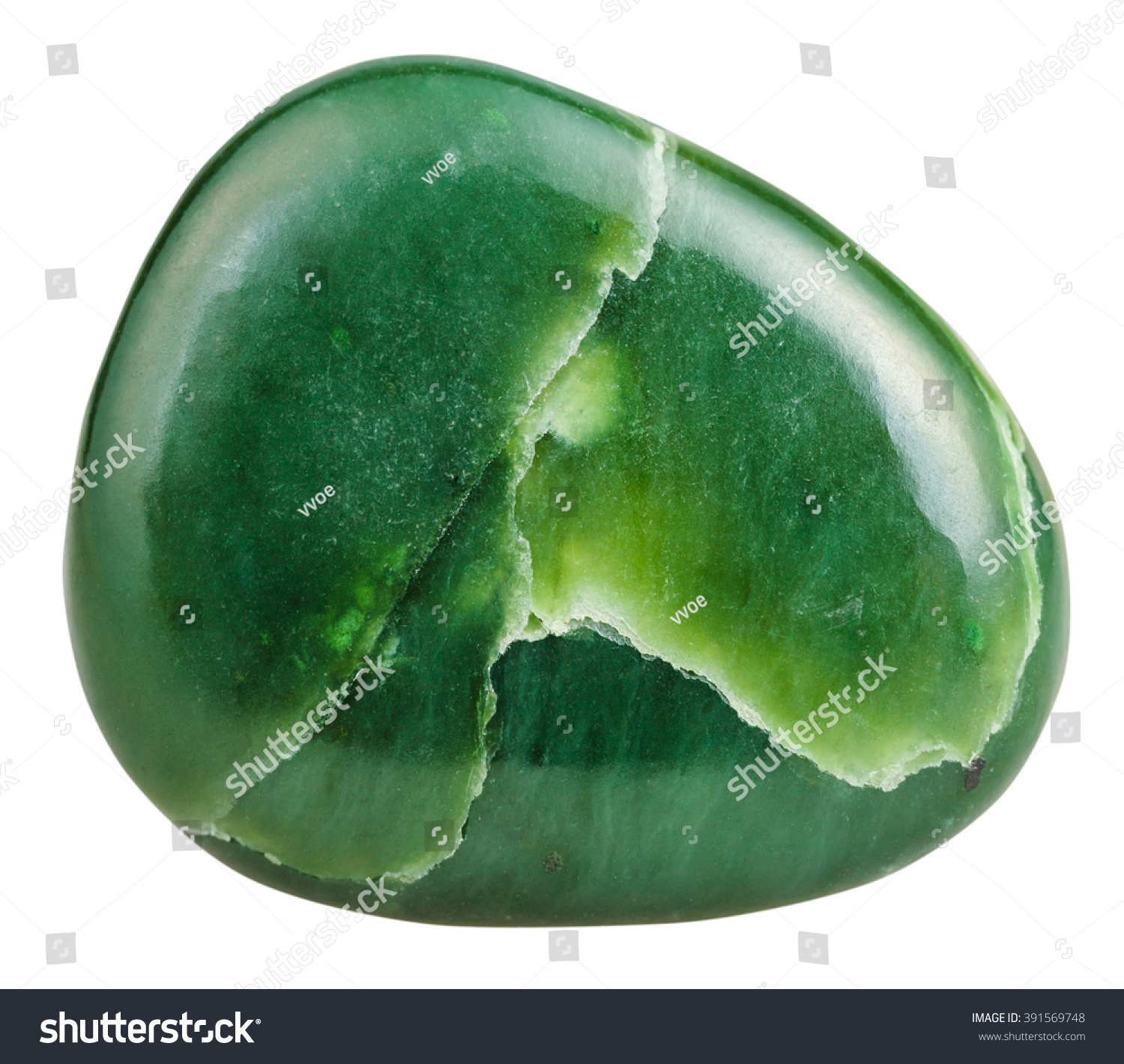
The "is this real jade" question is the most common one in the buying guides, and most of the guides give the wrong answer. The standard advice is "look for veining, the color should be slightly uneven, the surface should be smooth." That is correct in principle, and it does not work in practice. The dyed resin and the glass-filled resin rollers pass the visual test, and the real-jade rollers with the deepest color can look fake to an untrained eye. The right way to tell is the four home tests below, which work on the stone itself, not the marketing. The four tests are the cold test, the scratch test, the weight test, and the surface test, and each one is a real check that anyone can do at home in 5 minutes.
I am not a gemologist. The four tests below are the standard home tests for jade, and they are within the accuracy range of a careful home test. For the deeper question of jade authenticity, a certified gemologist is the canonical source. For the broader question of stone care and the per-stone comparison, our jade vs glass vs resin page has the deeper data.
Why the standard visual test fails
The visual test for real jade (slight veining, slightly uneven color, smooth surface) is correct in principle, and it fails in practice for two reasons.
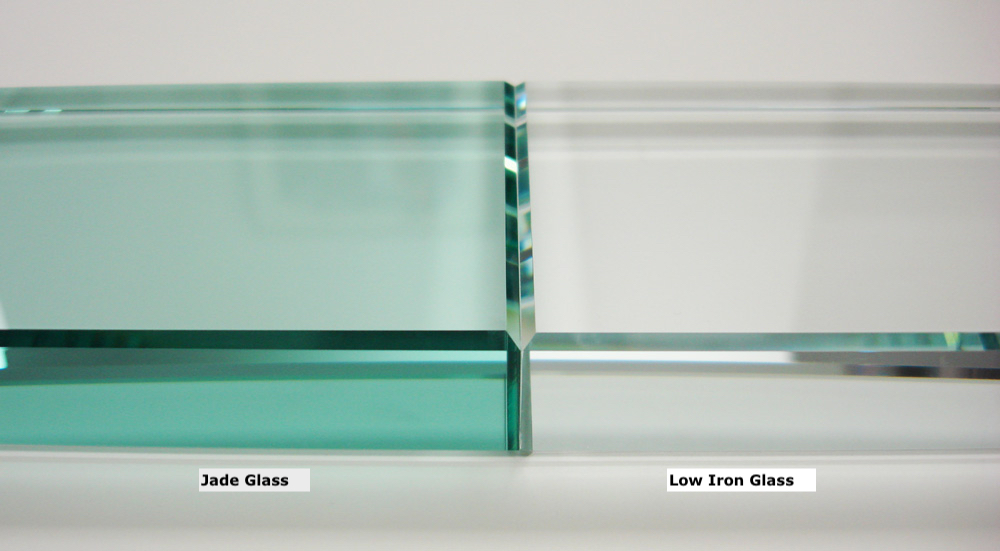
- Dyed resin and glass-filled resin can look like real jade. Modern manufacturing can produce a resin that mimics the color, the veining, and the surface of real jade, and the visual test does not distinguish them. The roller on a dyed resin feels slightly tacky, but the visual test alone misses this.
- Real jade can look fake. The deepest green jade (the highest grade) can have a perfectly uniform color with no visible veining, because the highest grade is the most homogeneous. The visual test would mark this as fake, but it is the most expensive real jade.
For both reasons, the visual test alone is not enough. The four tests below are the right way to tell.
Test 1: The cold test (1 minute)
The cold test is the fastest and the most useful. The test:
- Put the roller in the fridge for 30 minutes.
- Take it out and feel it with your hand.
- Real jade stays cold for 5 to 7 minutes out of the fridge. Glass-filled resin stays cold for 3 to 5 minutes. Pure resin is back to room temperature in 1 to 2 minutes.
The reason the cold test works is thermal mass. Jade has a higher thermal mass per unit volume than glass or resin, which means the stone holds cold longer. The 5 to 7 minute retention is the real-jade signature. Anything shorter than 5 minutes is a sign of glass or resin.
For the cold test to work, the test must be done in a consistent environment. The right test is a 70°F room, with a 38°F fridge, and the 5 to 7 minute window. Colder rooms or warmer fridges will skew the result. For the full per-stone cold retention data, our jade vs stainless steel page has the deeper comparison.
Test 2: The weight test (30 seconds)
The weight test is the second-fastest and the most reliable. The test:
- Weigh the roller on a kitchen scale.
- Real jade of standard dual-head size weighs 88 to 95 grams. Glass-filled resin weighs 75 to 85 grams. Pure resin weighs 55 to 70 grams.
The reason the weight test works is density. Jade has a density of 2.95 to 3.05 g/cm³ (nephrite) or 3.25 to 3.35 g/cm³ (jadeite). Glass has a density of 2.4 to 2.8 g/cm³. Resin has a density of 1.0 to 1.4 g/cm³. The weight difference is real and reproducible.
For the weight test to work, the roller must be a standard dual-head size (large head approximately 5cm diameter). Smaller or larger rollers will skew the result. The 88 to 95 gram range is for a standard dual-head roller, and a smaller roller will weigh less.
Test 3: The surface test (10 seconds)
The surface test is the third-fastest and the most tactile. The test:
- Run a fingernail across the stone surface.
- Real jade feels glass-smooth, with a slight natural veining that you can feel under the nail. Glass-filled resin feels perfectly smooth, with a uniform color. Pure resin feels slightly tacky, with a slight give under the nail.
The reason the surface test works is the polish. Real jade takes a high polish that feels like glass. Glass-filled resin also takes a high polish, but the polish is on a different substrate, and the texture is slightly different. Pure resin does not take the same polish, and the surface feels tacky.
For the surface test to work, the test must be done on a clean roller, with a clean fingernail. Surface residue from skin oils or product can mask the test. The right test is on a freshly cleaned roller, and the wipe-down is on our disinfecting guide.
Test 4: The scratch test (30 seconds, use with caution)
The scratch test is the most definitive, and it carries a small risk of damaging the roller. The test:
- Find an inconspicuous spot on the stone (the bottom of the handle, not the roller surface).
- Use a steel key or a coin to make a small scratch on the stone.
- Real jade has a Mohs hardness of 6 to 7, which is harder than steel. The steel key or coin will not scratch the jade. Glass-filled resin has a Mohs hardness of 5 to 6, which can be scratched by steel. Pure resin has a Mohs hardness of 3 to 4, which is easily scratched.
The reason the scratch test works is hardness. Steel has a Mohs hardness of 4 to 4.5, which is below jade (6 to 7), above pure resin (3 to 4), and around the same as glass-filled resin (5 to 6). The test is a real check, and the right interpretation is "no scratch = real jade, scratch = glass or resin."
The risk of the scratch test is that the steel can leave a metal mark on the stone, which is hard to remove. The right call is to do the scratch test on the bottom of the handle, where the mark is not visible. For the broader mineral data, the Gemological Institute of America has the canonical reference.
Putting the four tests together
The four tests, in order of how fast they are and how reliable they are:
| Test | Time | Reliability | Real jade result |
|---|---|---|---|
| Cold test | 1 minute (after 30 min fridge) | High | Cold for 5 to 7 minutes |
| Weight test | 30 seconds | High | 88 to 95 grams (standard size) |
| Surface test | 10 seconds | Medium | Glass-smooth, slight veining |
| Scratch test | 30 seconds | High | No scratch from steel |
The right call is to start with the cold test and the weight test, which are the fastest and the most reliable. If both pass, the roller is real jade with high confidence. If one fails, the roller is glass or resin, and the right call is to return it. For the broader question of how to evaluate a roller purchase, our first-time buyer guide has the parallel protocol.
What about the saltwater density test
The saltwater density test is the most rigorous home test, and it is in the same category as the four tests above. The test:
- Mix a saturated salt solution (about 1 cup of water to 1/4 cup of salt, stirred until no more salt dissolves).
- Drop the roller into the solution.
- Real jade sinks (density 2.95 to 3.35 g/cm³, which is denser than the saturated salt solution at about 1.2 g/cm³). Glass and resin float or sink slowly.
The saltwater test is the most rigorous because it measures the actual density, but it requires a kitchen scale and a glass of water, and the test is more involved than the four tests above. The right call is the cold test and the weight test for a quick check, and the saltwater test for a deeper check. For the deeper protocol, our real jade guide has the full methodology.
FAQ
What is the fastest way to tell if a jade roller is real?
The cold test. Put the roller in the fridge for 30 minutes, take it out, and feel it. Real jade stays cold for 5 to 7 minutes. Glass-filled resin stays cold for 3 to 5 minutes. Pure resin is back to room temperature in 1 to 2 minutes. The cold test is the fastest and the most reliable, and it is the right first check.
How much should a real jade roller weigh?
88 to 95 grams for a standard dual-head roller with a large head of about 5cm diameter. Smaller or larger rollers will weigh less or more, and the right call is to compare the weight to a known real-jade roller of the same size. For the per-stone weight data, our jade vs glass vs resin page has the deeper comparison.
Can dyed resin pass the cold test?
No. The cold test is based on thermal mass, and the dye does not change the thermal mass of the substrate. A dyed resin is still a resin, and the cold retention is the same as an undyed resin (1 to 2 minutes out of the fridge). The dye is a visual test only, and the cold test catches the substrate.
Is a real jade roller worth the extra cost?
For most users, yes. The real jade holds cold longer, which produces a slightly more visible first-touch result. The 80/20 rule is that real jade produces 80% of the result at 100% of the price, and glass-filled resin produces 70% of the result at 60% of the price. The right call is the real jade if the budget allows, and the glass-filled resin if the budget is tight. For the price comparison, our 2026 buying guide has the per-stone data.
The short version
The four tests are cold (1 min), weight (30 sec), surface (10 sec), and scratch (30 sec). The right call is to start with the cold test and the weight test, which are the fastest and the most reliable. The saltwater test is the deeper check. The visual test is not enough, because dyed resin can look like real jade, and the deepest real jade can look fake. The full test protocol is above, and the real jade guide is the deeper source.