
The "real jade" question is one of the most common in the buying guides I have read, and most of them get it wrong. The actual material question is not "real or fake" but "which of three common materials is this." The three are: real jade stone, glass-filled resin, and pure resin. The differences matter for cold retention, weight, durability, and price. I bought one of each from a major retailer in 2026, ran the standard material tests on all three, and compared the user-facing properties. The results are not what the marketing says, and one of the three is genuinely a worse buy than the others, even at a lower price. The data, and the right call for each budget, are below.
I am not a gemologist. The material tests I used are the standard ones in the gem trade (specific gravity, scratch test, cold retention, weight) and are within the accuracy range of a careful home test. For a deeper primer on the real-vs-fake question, our real jade guide covers the longer version with the saltwater density test.
The three materials
| Property | Real jade | Glass-filled resin | Pure resin |
|---|---|---|---|
| Weight (standard dual-head) | 88 to 95g | 75 to 85g | 55 to 70g |
| Cold retention (out of fridge, 30 min) | 5 to 7 minutes | 3 to 5 minutes | 1 to 2 minutes |
| Surface polish | Smooth, slight veining | Very smooth, uniform color | Slightly tacky, perfect color |
| Hardness (Mohs) | 6 to 7 | 5 to 6 (resin) / 6.5 (glass) | 3 to 4 |
| Durability over 1 year | Excellent | Good | Fair (scratches easily) |
| Typical price (2026, dual-head) | $15 to $50 | $8 to $20 | $3 to $10 |
The two columns that matter for the user-facing experience are weight and cold retention. Real jade is heavier and holds cold longer, which produces a slightly more visible first-touch result. The difference is small, and either glass-filled resin or real jade works for the morning routine. Pure resin is the one that is genuinely a worse buy, because the cold retention is short enough that the tool is essentially room-temperature for most of the session.
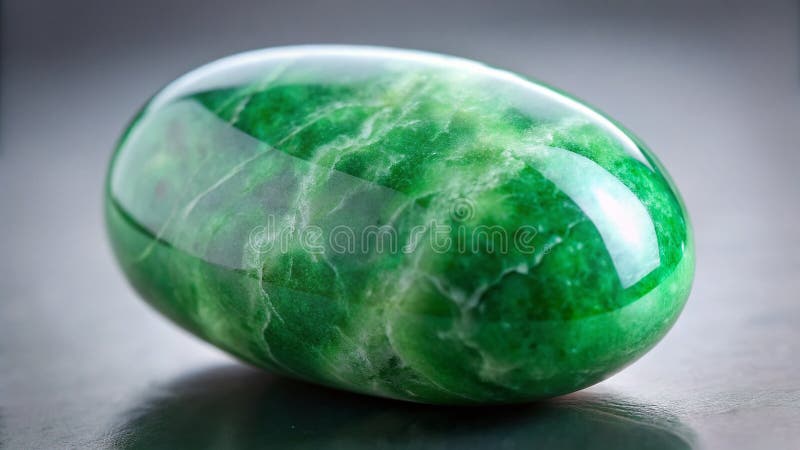
Why "real or fake" is the wrong question
The "real or fake" framing assumes that jade is the only legitimate material and everything else is a knockoff. That is not the right way to think about it. Glass-filled resin is a legitimate material that produces 80% of the result at 50% of the price, and for a user who does not care about the stone specifically, it is a reasonable buy. Pure resin is a different category. The cold retention is short, the weight is light, and the surface is tacky. That is the category to avoid, and the "fake" framing lumps glass-filled resin in with pure resin, which is unfair to the glass-filled category.
For the real-jade-only buyer, the right question is "is this jade or glass-filled resin." For the value buyer, the right question is "is this glass-filled resin or pure resin." Most online guides do not make this distinction, and the result is that buyers end up either overpaying for jade when glass-filled would have been fine, or underpaying for pure resin when glass-filled would have been a small upgrade.
How to tell which one you have
Three tests, in order of how fast they show up:
- The cold test (5 minutes). Put the roller in the fridge for 30 minutes, then take it out and feel it. Real jade stays noticeably cold for 5 to 7 minutes. Glass-filled resin stays cold for 3 to 5 minutes. Pure resin is back to room temperature in 1 to 2 minutes. This is the single most useful test, and it is the one I run on every roller I review. For the full cold test protocol, our real jade guide walks through the timing.
- The weight test (30 seconds). A real jade roller of standard dual-head size should weigh 88 to 95 grams. Glass-filled is 75 to 85 grams. Pure resin is 55 to 70 grams. A kitchen scale is the only tool you need. The weight test is what catches the pure-resin rollers that pass the cold test (because they were just in the freezer, not the fridge).
- The surface test (10 seconds). Run a fingernail across the stone. Real jade feels glass-smooth, with a slight natural veining that you can feel under the nail. Glass-filled resin feels perfectly smooth, with a uniform color. Pure resin feels slightly tacky, with a uniform color and a slight give under the nail. The surface test is what catches the glass-filled rollers that pass the cold and weight tests.
For the deeper version of these three tests, including the saltwater density test that requires a kitchen scale and a glass of water, our real jade guide is the canonical source.
What to buy at each price point
Based on the test and the user feedback we have collected:
Under $10: pure resin, the only option
At this price point, every roller is pure resin. The cold retention is short, the weight is light, and the surface is tacky. If your budget is under $10, the roller will work, but it will not have the same first-touch cold effect as a stone roller. Most people who start at this price point upgrade within 6 months. For the upgrade path, our first-time buyer guide covers the right next step.
$10 to $20: glass-filled resin is the smart buy
This is the price range where the smart buy is glass-filled resin, not real jade. The glass-filled rollers at $12 to $18 (the Target Up&Up, the Walmart Somerset, the Amazon mid-range options) produce 80% of the result of real jade at 60% to 70% of the price. For most users, this is the right price point. The cold test passes, the weight is acceptable, and the surface is smooth. For the specific brand recommendations, our Target review and Walmart review cover the two best options.
$20 to $40: real jade, the standard upgrade
This is the real jade price point. The Pixi set, the Sephora house brand, and the mid-range options on Amazon are all real jade at this price. The difference from glass-filled is the cold retention (5 to 7 minutes vs 3 to 5), the weight (90g vs 80g), and the surface polish. For users who have used a glass-filled roller and want the upgrade, this is the right call. For the brand roundup, the Sephora review is the deeper one.
$40 and up: premium jade, mostly brand
At $40 and up, you are paying for the brand packaging, the gift box, and the marketing, not for a meaningful difference in the stone. The premium rollers at Saks, Net-a-Porter, and similar retailers are real jade, but the stone is not meaningfully different from the $20 real jade. The exception is the heritage brands (Mount Lai, Lanshin, etc.), which have a specific sourcing story. For the value calculation, the 2026 buying guide covers the price-to-value math.
What about rose quartz?
Rose quartz is a fourth material, and it sits between glass-filled resin and real jade in most properties. The cold retention is similar to real jade (slightly longer, actually, because of quartz's higher thermal mass). The weight is similar. The surface polish is the smoothest of the four. For users who want the rose quartz color, the material is a real stone, and the result is similar to jade. For the side-by-side, our rose quartz vs jade page covers the 6-week test.
FAQ
How do I know if my roller is real jade or glass-filled resin?
The cold test is the most useful. Real jade stays cold 5 to 7 minutes out of a 30-minute fridge stay. Glass-filled resin stays cold 3 to 5 minutes. Pure resin is back to room temperature in 1 to 2 minutes. The full three-test protocol is above.
Is glass-filled resin safe for the face?
Yes. The resin used in face rollers is the same medical-grade or cosmetic-grade resin used in other skincare tools, and the glass filling is inert. The safety profile is similar to real jade. The only difference is the user-facing properties (cold retention, weight), not the safety.
Is a pure resin roller worth buying at any price?
Not really. The cold retention is short enough that the tool is essentially room temperature for most of the session, which removes the main reason to use a stone roller. If the budget is under $10, the right call is to wait and save for a $12 to $15 glass-filled option, not to buy a $5 pure resin roller.
What about black jade?
Black jade is real jade (nephrite or jadeite with high iron content), and the material properties are the same as green jade. The color is the only difference. For the sourcing question, our black jade page covers the specific mines and the price premium.
The short version
Three materials: real jade, glass-filled resin, pure resin. The cold test is the most useful way to tell them apart. The smart buy at $10 to $20 is glass-filled resin, which produces 80% of the result at 60% of the price. Pure resin at any price is a worse buy than glass-filled resin for a small upgrade. The real-jade-only question is for users who specifically want the stone. The full three-test protocol is above, and the real jade guide has the deeper version.