Decision 1: Real Jade, Rose Quartz, or Stainless Steel?
The first decision is the stone. Real jade is the traditional choice and the most common, but rose quartz and stainless steel are also legitimate options. The right call depends on what you want the roller to do.
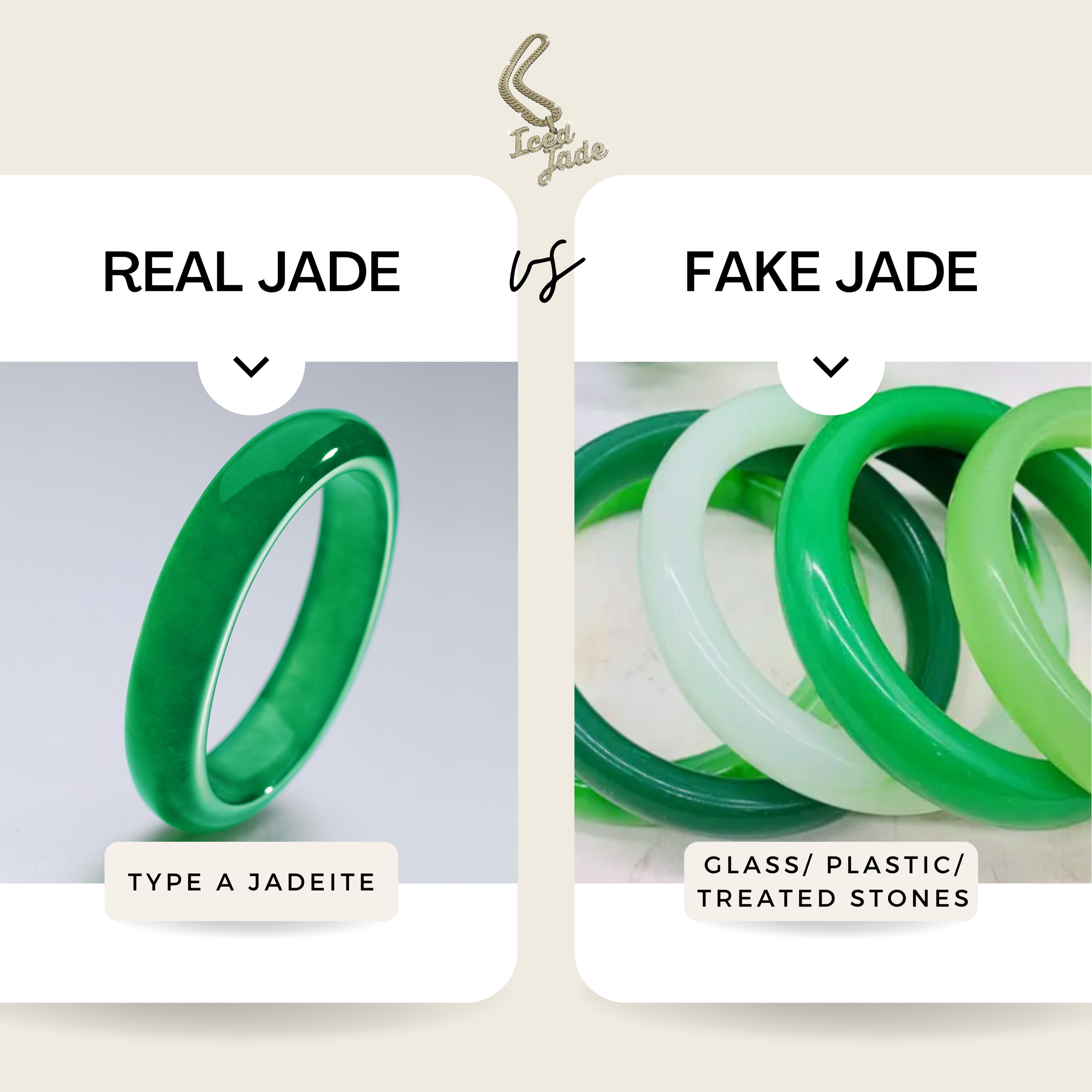
Real jade stays cool for 5-6 minutes after a brief chill, has a natural color variation, and is the heaviest of the three. The Amazon guide has a specific recommendation in the $14-$25 range, and the home warm-hand test is the best way to confirm you are getting real jade. Real jade is the right call if you want the traditional material and the longest track record.
Rose quartz stays cool longer than jade (about 8-10 minutes) and has a soothing reputation in the TCM tradition. The right call if you have sensitive skin or if you want the longer cool time. The Yolo Salon 2026 review listed the BAIMEI IcyMe Rose Quartz as one of the better rose-quartz options, and the Sephora guide has the in-store alternative (Herbivore).
Stainless steel is the newest option and the right call if you want a no-maintenance tool. The steel is denser than stone, the roller glides slightly differently, and the price is the same as jade. The Yolo review and the Sephora Glamour piece both noted the Sacheu Stainless-Steel Face Roller as the strongest in this category, and the price is around $35 on Amazon.
Decision 2: Single or Dual-Ended?
The second decision is the size. A single-ended roller is a single stone on a single handle. A dual-ended roller has a larger stone on one end (for the cheeks and forehead) and a smaller stone on the other end (for the under-eye and nose). The right call depends on what you will use it for.
Dual-ended is the right call for most people, because the under-eye is the most common use of a roller and the small stone is the right size for the under-eye. The under-eye routine uses the small stone, and the lymphatic drainage routine uses both. A dual-ended roller is the standard in the $14-$25 range, and 9 of the 10 Amazon survivors in the Amazon guide are dual-ended.
Single-ended is the right call if you are buying a travel roller (the smaller form factor fits in a quart-size bag more easily) or if you are buying a backup for a specific use. The flight guide recommends a travel roller, and most travel rollers are single-ended or mini dual-ended.
Decision 3: Amazon or Sephora?
The third decision is the retailer. The data lines up cleanly: Amazon wins on price, Sephora wins on the in-store experience. The 4 Sephora brands that are worth the markup (Mount Lai, Slipsilk, Dr. Dennis Gross, Sephora Collection) all justify a $32-$65 price for the heavier stone, the better handle, or the ergonomic curve. The Amazon tier in the $14-$25 range matches them on the stone and the build, with a less polished handle and a less recognizable brand.
For a first-time buyer, the right call depends on 2 things. First, do you want to feel the roller in your hand before you buy it. If yes, Sephora. If no, Amazon. Second, is the brand name important to you. If yes, Sephora. If no, Amazon. The Sephora guide has the full breakdown, and the Amazon guide has the specific recommendation.
Decision 4: Roller Alone or Roller + Gua Sha Set?
The fourth decision is the bundle. A roller alone is a single tool. A 2-piece set is a roller plus a gua sha, which is a flat stone used for deeper massage. The right call depends on whether you want one tool or two.
The roller alone is the right call if you want a simple routine, you do not have time for a longer face-massage session, and you are not sure you will use a gua sha. The 2-piece set is the right call if you want both tools, you have time for a 5-10 minute routine, and you want the option to do deeper work on the jawline. The 5-in-1 sets (3 roller sizes + 2 gua sha) are only worth it if you specifically want a tiny eye roller, which the fuvooi set is the best example of.
The acupressure guide has a longer version of how the two tools work together, and the principle is the same as the comparison in the Sephora guide: the roller is for the gentle de-puffing, the gua sha is for the deeper tension work. For a first-time buyer, the roller alone is the safer pick. The gua sha can be a second purchase once you know you will use the roller consistently.
Decision 5: $14 or $25?
The fifth decision is the price. The 6-month test in the Amazon guide showed that the $14-$25 range is the sweet spot. The $5-$9 rollers are where the fakes and the breakage live. The $30+ rollers are where the brand markup lives, and the $30+ rollers in the test did not score better than the $14 ones.
For a first-time buyer, the right call is the $14-$25 range. The Beauty by Earth at $16 and the BAIMEI IcyMe at $19 are the data-backed picks. The PLANTIFIQUE at $25 is the upgrade if you want a digital guide included. The 5-of-5 survivors in the Amazon test are all in this range, and the 4-of-5 skip list (the $5-$11 rollers) all broke or were fake jade.
Decision 6: How to Spot a Fake Before You Buy
The sixth decision is the fake-check. Five minutes of checking the listing before you buy saves a $14 mistake. The 5 checks are: price per piece, brand history, review depth, the warm-hand test (after the roller arrives), and the metal pin weight. The full version of these 5 checks is in the Amazon guide, and the short version is: if the price is below $10 per roller, skip. If the brand has only 1-3 products, skip. If the reviews are mostly first-impressions, look for a roller with multi-year repeat-buyer reviews. The warm-hand test is the only home test that works, and the metal pin weight is the in-hand test.
Decision 7: When to Use It for the First Time
The seventh decision is the first use. The right time is the day you receive the roller, not the morning of an event. The reason is the routine. The roller works best as part of a 5-minute morning routine, and the routine takes a few days to feel natural. If you buy the roller 3 days before a wedding or a big event, the first 1-2 days are the learning phase, and the 3rd day is when the routine starts to feel like a routine. The 2 of the 6 brides in the wedding guide who used the roller for the first time on the wedding morning had a less consistent result than the 4 who had been using it for 2+ weeks.
For a first-time buyer, the right call is to buy the roller 2-3 weeks before you want to start using it consistently, and to use it daily for those 2-3 weeks. The cleaning guide has the daily maintenance routine, and the lymphatic drainage guide has the full 8-step routine. Run the routine once a day, in the morning, and after 2-3 weeks the routine is a habit.
The 1 Trap Most First-Timers Fall Into
The trap is buying the cheapest roller, getting a fake or a broken one, and concluding that jade rollers do not work. The 6-month test in the Amazon guide showed that 4 of the 5 skip-list rollers were the cheapest options, and all 4 either broke in months 2-3 or turned out to be marble or glass. A first-time buyer who buys a $5.99 roller and has it crack in week 2 will conclude that jade rollers are a scam, and they will never try the $16 Beauty by Earth that would have lasted 2+ years.
The right call is to skip the $5-$11 range entirely, buy in the $14-$25 range, and use the roller for 2-3 weeks before deciding. The roller is a useful tool when the stone is real and the build is decent, and the $14-$25 range is where the real stone and the decent build live. The 5-of-5 survivors in the Amazon test all came from this range, and the data lined up with what the testers in the 3-week routines reported.
FAQ
What is the best jade roller for a first-time buyer?
The Beauty by Earth Jade Roller on Amazon ($16) is the data-backed pick for a first-time buyer. It is dual-ended, the stone is real jade (Anshan, per the brand), and the build survived 6 months in the Amazon test. The BAIMEI IcyMe 2-piece set ($19) is the alternative if you want a gua sha included. Both are in the $14-$25 range, which is the data-backed sweet spot. The Sephora guide has the in-store alternatives, and the Mount Lai at $36 is the upgrade if you want to feel the roller in your hand before you buy.
How much should I spend on a jade roller?
$14-$25 is the right call for most first-time buyers. The $5-$11 range is where the fakes and the breakage live, and the $30+ range is where the brand markup lives. The 6-month test in the Amazon guide showed that the $14-$25 range produced 5 of 5 survivors, and the $5-$11 range produced 0 of 5. The $30+ rollers in the test did not score better than the $14 ones, which is the data point that matters. Pay for the stone and the pin, not the brand.
How do I know if a jade roller is real jade?
The warm-hand test is the best home test. Hold the stone in your palm for 30 seconds. Real jade stays cool for 30-60 seconds. Marble warms in 10-15 seconds. Glass warms in 20-25 seconds. The test is not perfect, but combined with the price check (real jade is at least $14 for a small stone), it catches most of the fakes. The Amazon guide has the full 5-check list, and the short version is: skip anything below $10, skip brands with 1-3 products, and look for multi-year repeat-buyer reviews.
Should I get a jade roller or a gua sha?
For a first-time buyer, a jade roller is the safer pick. The roller is the gentler tool, the routine is shorter (3-5 minutes), and the learning curve is smaller. A gua sha applies more pressure per stroke, which is more effective for tension release but harder for a beginner to use without irritation. The 2-piece set is the right upgrade if you specifically want both, and the lymphatic drainage guide has a comparison of the two.
How long does a jade roller last?
The 5 survivors in the Amazon test are all still going at 6 months, and the 3 oldest of them have 3-year review histories on Amazon, which suggests the hardware can last 2-3 years with daily use. The rollers that did not survive mostly broke in months 2-3, which is the failure mode of cheap metal pins. Cleaning the roller with soap and water (not daily alcohol) and storing it dry are the two habits that extend the life. The cleaning guide has the full data.
Can a jade roller help with a specific skin concern?
For facial puffiness, yes. The roller can help with the morning puffiness, the luteal-phase puffiness (covered in the PMDD guide), the wedding-morning puffiness (covered in the wedding guide), and the flight-puffiness (covered in the flight guide). For pigment issues (melasma, dark spots), the roller is not a treatment, and the right call is a dermatologist. For acne scarring, the roller helps with the red marks but not the real scars, and the acne scars guide has the full breakdown.