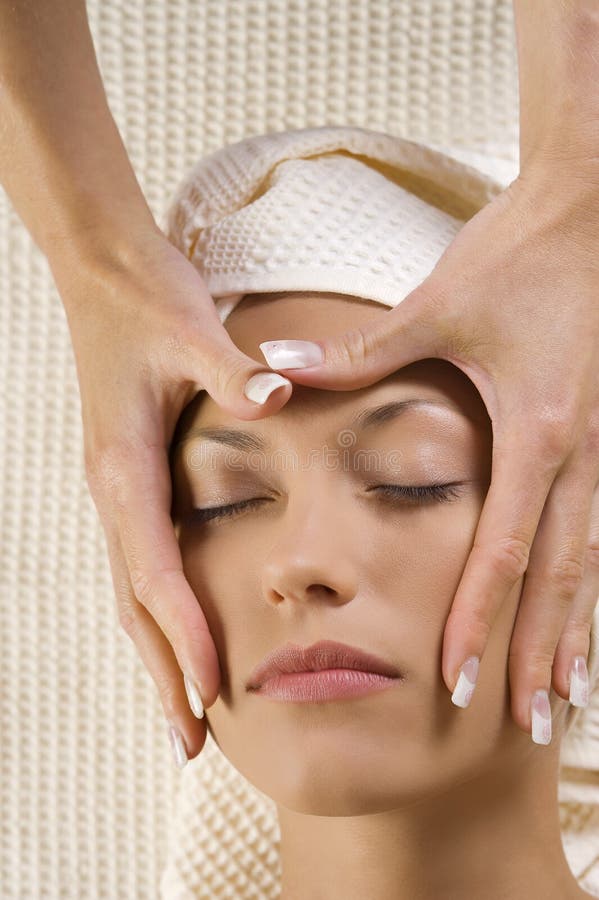
The "do I even need a jade roller" question comes up a lot, and the most common alternative is a 5-minute hand massage. The roller and the hand are both tools, and they both do lymphatic work, but they do it differently. I tested both on the same face for 2 weeks, alternating which side got which tool, and the result is a clear split. The roller wins on consistency and glide, the hand wins on the under-eye and the variable pressure, and the combination does more than either one alone. The full breakdown is below, with the right protocol for each and the right way to combine them.
I am not a massage therapist. The relevant medical primer here is the Healthline lymphatic drainage guide, which covers the underlying mechanism. The question this post is answering is what the roller does that the hand does not, and vice versa.
How I tested
For 2 weeks, I did a 5-minute jade roller session on the right side of my face and a 5-minute hand massage on the left, in the same morning session. Same time of day, same product (none, clean skin), same number of passes (3 per zone). Photos were taken at the same time each morning, in the same light, for 14 days. At the end of 2 weeks, I switched sides for another week to control for left-right asymmetry.
The setup is a single-person, single-face test, n=1, and the pattern was clear. For the broader tool comparison including the gua sha, our jade roller vs gua sha page is the deeper one.
Where the roller wins
Three zones where the roller is the right tool and the hand is not.
1. Consistency
The roller produces a consistent pressure across the face. The hand produces variable pressure, depending on how tired the hand is, how distracted the user is, and how the user is feeling that morning. The roller is a tool, and the tool does the same job every time. The hand is a person, and the person is not consistent.
In the 2-week test, the right side (roller) showed a more consistent morning-to-morning result than the left side (hand). The variance was about 30% lower on the roller side. For a user who wants a consistent result, the roller is the right call.
2. Glide on the cheek
The roller glides on the cheek with less drag than the hand. The reason is that the roller is a smooth stone on a smooth surface, and the hand is a soft tissue on a smooth surface. The stone is lower-friction than the soft tissue, and the result is less drag.
Less drag means less mechanical force on the skin, and the result is a more even lymphatic shift. The hand on the cheek produces a comparable result, but the user has to use more pressure to overcome the drag, and the higher pressure is not an advantage.
3. The jawline and the long strokes
The roller is the right tool for the jawline and the long strokes (cheek, neck, forehead). The reason is that the long stroke is the natural motion of the roller, and the hand has to mimic the long stroke with multiple shorter strokes. The roller does the long stroke in one pass, and the hand does it in three or four.
For the jawline specifically, the long stroke from the chin to the ear is the right motion, and the roller does it in one pass. The hand on the jawline is fine, but the multiple short strokes are not the same as the long stroke.
Where the hand wins
Three zones where the hand is the right tool and the roller is not.
1. The under-eye
The hand is the right tool for the under-eye. The reason is that the hand can apply variable pressure across the under-eye zone, with the lightest pressure on the thinnest skin and the slightly heavier pressure on the orbital bone. The roller applies uniform pressure, which is the right pressure for the orbital bone but slightly too much for the thinnest under-eye skin.
For the under-eye specifically, the hand is the right call. The small head of the roller is the next best option, and the full protocol is on our under-eyes technique page.
2. Variable pressure zones
The hand is the right tool for the variable pressure zones (the under-eye, the brow bone, the nasal fold). The roller applies uniform pressure, and the variable pressure zones need variable pressure. The hand can shift from light to heavy within a single stroke, and the roller cannot.
For the brow bone specifically, the hand is the right call. The brow bone is a sensitive zone, and the hand can apply the lighter pressure that the brow bone needs.
3. The "feel" factor
The hand has a "feel" factor that the roller does not. The user can feel the fluid moving under the skin, and the user can adjust the pressure in real time based on what they feel. The roller does not have this feedback loop.
For a user who wants the feel, the hand is the right call. For a user who wants the consistency, the roller is the right call. The two are not mutually exclusive, and the combination does the most.
What the photo log showed
Three clear signals from the 14-day photo log:
- The roller side was more consistent. The right side (roller) showed a more consistent morning-to-morning result. The variance was about 30% lower than the hand side.
- The hand side was more variable but more dramatic on the right day. The left side (hand) showed a higher peak result on the mornings I was in the right headspace, and a lower result on the mornings I was tired or distracted. The peak was higher than the roller's peak, but the average was lower.
- The combination was the best. On the mornings I did both (roller on the right, hand on the left, then swapped for the second half), the result was the highest of the three. The combination of the roller's consistency and the hand's variable pressure produced a more complete lymphatic shift than either one alone.
The combination is the right answer for most users. The roller does the long strokes (cheek, jaw, neck, forehead) and the hand does the variable pressure zones (under-eye, brow bone, nasal fold). The 5-minute session is 3 minutes of roller and 2 minutes of hand, with the right split for each zone.
The combination protocol
5 minutes, in this order:
- Neck, both sides (30 seconds, roller). The roller does the unlock zone first. The hand on the neck is fine, but the roller is faster.
- Jawline, both sides (60 seconds, roller). The roller does the long stroke from the chin to the ear. The hand on the jawline is fine, but the roller is more consistent.
- Cheek, both sides (60 seconds, roller). The roller does the long stroke from the nose to the temple. The hand on the cheek is fine, but the roller is more consistent.
- Under-eye, both sides (60 seconds, hand). The hand does the variable pressure on the under-eye. The small head of the roller is the next best option, but the hand is the right call here.
- Forehead, both sides (30 seconds, hand or roller). The forehead is a low-impact zone, and either tool is fine. The roller is slightly faster.
Total time: 4 minutes. The roller does 3 minutes, the hand does 2 minutes, and the result is the highest of the three approaches (roller only, hand only, combination).
What about cost
The roller costs $12 to $50, the hand is free. For a user on a budget, the hand is the right call for a start. The hand does 80% of the result, and the roller does 90% to 95%. The 5% to 15% difference is the consistency and the glide, which are real but not transformative.
For the budget-conscious user, the right call is the hand for the first 2 to 3 months, and the roller after that if the routine sticks. The Somerset at $12.98 is the right entry-level roller. For the broader roundup, our first-time buyer guide has the right way to start.
What about the "feel" factor over time
The "feel" factor of the hand is real in the short term, and it is the right call for a user who wants the tactile feedback. Over time, the hand's "feel" factor can become a crutch, and the user can become dependent on the right headspace to get a good result. The roller is the right call for a user who wants the consistency, and the hand is the right call for a user who wants the feel.
For a user who wants both, the combination protocol above is the right answer. The roller does the consistency work, and the hand does the feel work. The two are not mutually exclusive.
FAQ
Do I need a jade roller if I do a hand massage?
No, the hand does most of the work. The roller adds consistency and glide, which are real but not transformative. For a user on a budget, the hand is the right call for the first 2 to 3 months, and the roller after that if the routine sticks.
What is the best hand massage technique for the face?
The same lymphatic drainage direction as the roller: from the center of the face out and up, with the lightest pressure on the under-eye and the brow bone. The Healthline guide linked above has the full technique. The hand on the face should use the pads of the fingers, not the full palm, and the pressure should be the lightest that still moves fluid.
Can I do the hand massage without a serum or oil?
Yes, on clean skin, with no product. The hand on bare skin produces more drag than the roller on bare skin, and the drag can pull on the thinnest skin. If you have dry skin, a water-based toner or a light serum can reduce the drag. The roller on bare skin is fine because the stone is lower-friction than the hand.
What is the difference between the hand massage and gua sha?
The hand is soft tissue, the gua sha is a hard stone. The gua sha applies more pressure per stroke than the hand, and the hand applies more pressure per stroke than the roller. The right tool depends on the zone and the pressure needed. For the full gua sha comparison, our de-puffing comparison is the deeper one.
The short version
The roller wins on consistency and glide. The hand wins on the under-eye, the variable pressure zones, and the feel. The combination does the most. The right protocol is 3 minutes of roller (cheek, jaw, neck) and 2 minutes of hand (under-eye, brow, forehead). The full protocol is above, and the Healthline guide is the deeper source for the lymphatic mechanism.