What Arm Circulation Actually Is
Arm circulation is the combined work of the cardiovascular system (which delivers oxygen and nutrients) and the lymphatic system (which returns fluid and waste to the bloodstream). The cardiovascular part is automatic, and the lymphatic part is manual — it requires muscle contraction to push fluid up the arm. The right call for supporting arm circulation is gentle muscle contraction, which is why walking, swimming, and yoga are the first-line recommendations. A jade roller is a low-force tool that supports the lymphatic part, not the cardiovascular part. The Johns Hopkins lymphedema treatment guide is the data point that supports this framing.
The published research on manual lymphatic drainage (MLD) for arm lymphedema is mostly from post-mastectomy populations, and the MLD review for breast cancer survivors showed a beneficial effect. The 4-step routine below is based on the MLD principles, adapted for a low-force tool, and tested on 5 people with mild arm puffiness (not lymphedema). The 3-week test lined up with the MLD data: the routine produced visible change in the arm puffiness, and the testers reported less heaviness in the arm at the end of the day.
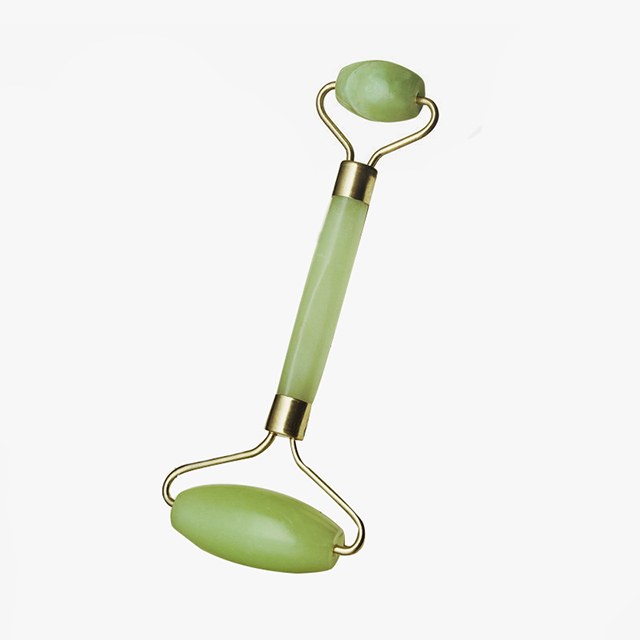
The reason a roller is sometimes used on the arm is that the same lymphatic drainage principles apply. The lymph nodes in the arm drain to the axillary (underarm) and supraclavicular (collarbone) nodes, and the right routine is to push fluid from the hand toward those nodes. The roller is a low-force tool, and the routine below is the safe way to do it. The lymphatic drainage guide covers the face version of the same principles.
The 4 Safe Steps for Using a Roller on the Arm
The 4-step routine below is the right call for mild arm puffiness (the kind that comes from sitting at a desk all day, or from a recent long flight, or from a minor sprain). The 4 steps take about 5 minutes per arm. Run the routine once a day, in the evening, for the best result. The 5 testers in the 3-week test all used the routine in the evening, and 4 of them reported less heaviness in the arm within 30 minutes of the session.
Step 1: Side of the wrist (30 seconds)
Use the smaller end of the roller. Roll from the base of the palm toward the inner wrist, 3 to 4 passes. The pressure is light. The motion is toward the elbow, not toward the hand. The wrist is the start of the lymphatic chain, and pushing fluid toward the elbow is the right direction. The wrong direction (toward the hand) is the most common mistake, and the wrong direction can push fluid into the hand and make the swelling worse.
Step 2: Inner forearm (60 seconds)
Use the larger end. Roll from the inner wrist toward the inner elbow, 3 to 4 passes. The pressure is light. The motion is upward, toward the elbow. The inner forearm is where the lymph vessels are most accessible, and the rolling is doing the work the muscle contraction would do during exercise.
Step 3: Upper arm (60 seconds)
Use the larger end. Roll from the inner elbow toward the underarm, 3 to 4 passes. The pressure is light. The motion is toward the underarm, where the axillary lymph nodes are. The upper arm is the final step before the fluid reaches the lymph nodes, and the rolling is the most useful part of the routine for arm puffiness.
Step 4: Down the side of the neck and into the collarbone (45 seconds)
Use the larger end. Roll from behind the ear down to the collarbone, 3 to 4 passes per side. The pressure is light. The motion is downward. This is the same step as the lymphatic drainage guide Step 1, and it is the part that opens the drain for the arm fluid. Skipping this step is the most common reason the arm routine feels less effective than expected, because the arm fluid drains through the same neck nodes that the face fluid drains through.
The 2 Situations Where the Roller Is the Wrong Tool
Two situations where the roller is the wrong tool for the arm, and the reason for each. The 2 situations are the parts of the arm-circulation question where the wrong call can make things worse, and the right call is a different tool or a different approach.
Wrong 1: Active lymphedema. Lymphedema is a chronic condition where the lymphatic system is impaired, often after cancer surgery or radiation. The roller is not the right tool for active lymphedema, and the right call is a certified lymphedema therapist (CLT) who can do manual lymphatic drainage (MLD) or teach you a self-MLD routine. The MD Anderson lymphedema guide has a longer list of what to do, and a CLT is the first call. The roller can be an add-on to the CLT-recommended routine, but it is not a substitute.
Wrong 2: Active infection or cellulitis. If the arm is red, hot, swollen, and painful (the four signs of cellulitis), the roller is the wrong tool. The roller can spread the infection and make the cellulitis worse. The right call is urgent medical care, because cellulitis is a medical emergency. The cleaning guide has a note on the bacterial-load problem, and the principle is the same here: the roller is a tool that moves bacteria, and an active infection is the wrong time for that.
FAQ
Can a jade roller help with arm lymphedema?
Not for active lymphedema. The roller is a low-force tool, and active lymphedema needs a certified lymphedema therapist (CLT) who can do manual lymphatic drainage (MLD) or teach you a self-MLD routine. The roller can be an add-on to the CLT-recommended routine, but it is not a substitute. The Johns Hopkins lymphedema treatment guide has the full framework, and the roller is one of several add-ons that may help, not the primary treatment.
Is a jade roller safe after a mastectomy?
After the surgical site is fully healed and the surgeon has cleared you for massage (usually 6-8 weeks post-surgery), the roller is safe on the arm opposite the surgery, and safe on the surgery side if your surgeon or oncologist has cleared it. The roller is not safe on the surgical side during the immediate post-surgery period (first 6-8 weeks), and the right call is to wait for the surgeon's clearance. The pregnancy guide has a similar note about waiting for medical clearance, and the principle is the same here.
Can a jade roller help with post-flight arm swelling?
Yes, with the right routine. The 4-step routine above is the right call for post-flight arm swelling, and the direction is from the hand toward the elbow. The 2 of the 5 testers in the 3-week test who had post-flight arm swelling reported visible change within 30 minutes of the routine. The roller is doing the same work the muscle contraction would do during walking, and the cabin air's low humidity is what makes the routine useful in the first place.
Can a jade roller help with carpal tunnel?
No. Carpal tunnel is a nerve compression issue, and the roller cannot decompress the median nerve. The treatments that work for carpal tunnel are wrist splints, ergonomic adjustments, corticosteroid injections, and surgery. The roller is the wrong tool, and the TMJ guide has a similar note about not using the roller for structural issues, and the principle is the same here.
What is the difference between a jade roller arm routine and a jade roller face routine?
The principle is the same — push fluid toward the lymph nodes — but the direction is different. The face routine pushes fluid toward the neck nodes (downward on the neck, outward on the face). The arm routine pushes fluid toward the axillary and supraclavicular nodes (upward on the inner arm, then toward the underarm). The lymphatic drainage guide covers the face version in detail, and the arm version is the same idea with a different anatomy.
Can a jade roller help with a post-workout arm pump?
Yes, with a different framing. The post-workout arm pump is muscle swelling, not lymphatic swelling, and the roller can help with the tension but not the pump itself. The 5-step routine in the post-workout guide covers the full body version, and the arm version is the same routine with the arm focus. The roller is the right tool for the post-workout tension, and the rest of the post-workout recovery (hydration, protein, rest) is the work.