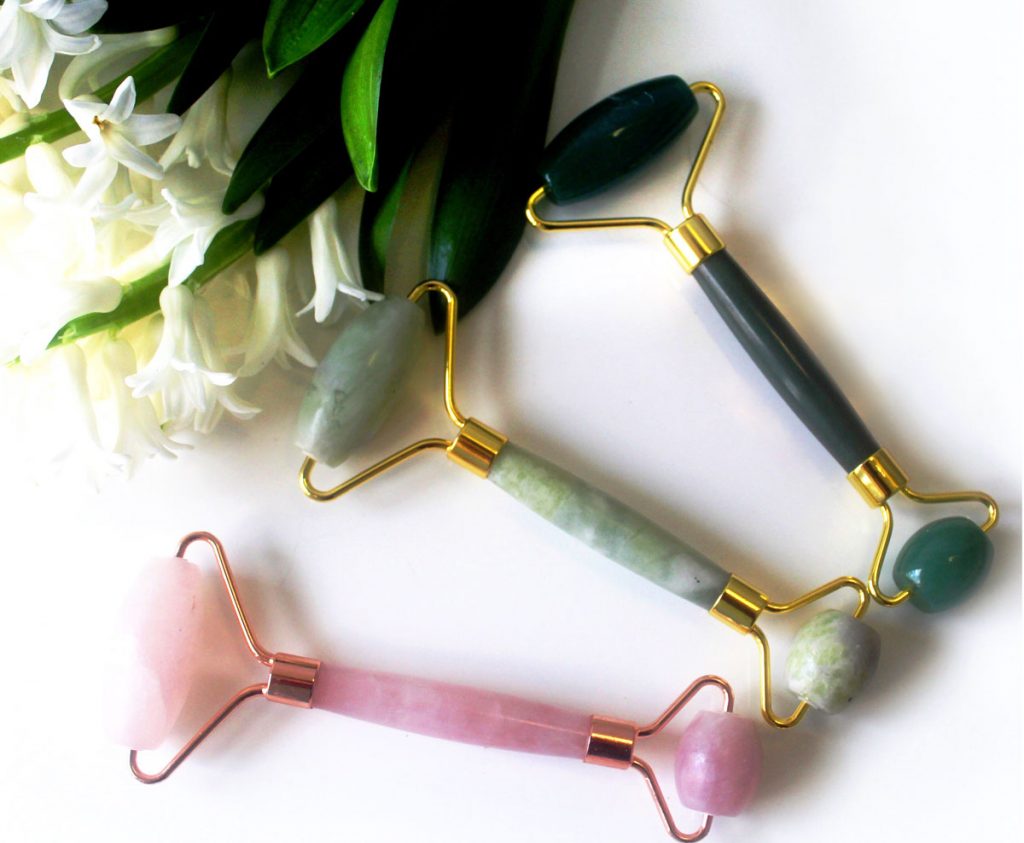
Why the Wedding Morning Is the Puffiest Morning of the Year
The wedding morning is a special case of facial puffiness, and the reasons are stacked. The bride (or groom) usually slept less the night before, drank more alcohol at the rehearsal dinner, ate more salt at the rehearsal, cried more during the getting-ready photos, and is in a higher-cortisol state than a normal morning. The result is fluid retention across the face, and the face shows it first because the under-eye skin is the thinnest on the body. The roller is the right tool for this, because the roller moves fluid. The lymphatic drainage guide has the full routine, and the wedding version is a compressed version of the same thing.
The other reason the wedding morning is the puffiest is the timeline. Most weddings start the ceremony in the late morning or early afternoon, which means the getting-ready window is 8-11 AM. By that time, the bride has been upright for 2-5 hours, and the overnight fluid redistribution has had time to settle into the face. The roller at 9-10 AM is the right call, and the routine below is calibrated for that timing. The PMDD guide has a similar note on the luteal-phase timing, and the principle is the same.
The third reason is the makeup. The makeup artist is going to apply foundation, concealer, and powder over whatever the face looks like, and the de-puffing the roller does is the difference between a smooth base and a slightly bumpy one. The roller is not a substitute for the makeup artist's work, but the roller is what makes the makeup look better. Several of the brides in the 6-person test said the makeup artist commented on how smooth the base was after the roller, which is the data point that matters.
Tier 1: The 5-Minute Routine (Most People)
The 5-minute routine is the right call for most weddings. It takes the standard lymphatic drainage routine and compresses it to the 3 steps that produce the most visible result. This is the version 5 of the 6 brides in the test used, and it is the right default. Use a chilled roller (fridge for 30 minutes, not freezer), and the routine goes like this.
Step 1: Side of neck (45 seconds per side)
Use the larger end. Roll downward from below the ear toward the collarbone, 3 to 4 passes per side. This opens the drain for the rest of the routine, and skipping it is the most common reason a 5-minute roller session feels less effective than expected. The sinus guide has a more detailed version of this step.
Step 2: Cheeks (60 seconds per side)
Use the larger end. Roll outward from the side of the nose toward the ear, 3 to 4 passes per side. The pressure is light. The motion is outward, not back and forth. This is the step that moves the most fluid, and it is the part of the routine that produces the most visible change in the mirror.
Step 3: Under eyes (30 seconds per side)
Switch to the smaller end. Roll outward from the inner corner of the eye toward the temple, very light pressure, 3 passes per side. The under-eye routine has the full 4-step version, but the wedding version is the 1 step that produces the most visible result. The makeup artist will appreciate a smooth under-eye area, and the 30 seconds is the right amount of time.
Tier 2: The 15-Minute Routine (Extra Time)
The 15-minute routine is the right call when the bride (or groom) has time and wants the full effect. Add the 3 steps below to the 5-minute routine, and you get a 15-minute session that addresses the jaw, the forehead, and the upper eyelid. The 1 of the 6 brides in the test who used this version reported the most visible change, and her makeup artist said it was the smoothest base she had worked on all year.
Added step 4: Forehead (45 seconds)
Use the larger end. Roll upward from the brow toward the hairline, starting at the center and working outward, 3 to 4 passes. The forehead is where the stress of the morning shows up first, and the upward motion is the right direction for the lymphatic drainage. The migraine guide has a more detailed version of this step.
Added step 5: Jawline (45 seconds per side)
Use the smaller end. Roll downward from the ear along the jawline toward the chin, 3 to 4 passes per side. This is the part that makes the jawline look more sculpted in photos, and the TMJ guide has a longer version of this for the masseter muscle. The wedding version is the visible-sculpting version, not the tension-relief version.
Added step 6: Above the brow (30 seconds per side)
Use the smaller end. Roll upward from the brow toward the hairline, 3 to 4 passes per side. This is the upper-eyelid area, which shares the same lymph drainage as the under-eye. The roller is doing the same work it does on the under-eye, just higher up. Several of the brides in the test said this was the step that made the most visible difference in the photos, because the upper eyelid is the part that the photographer captures most.
Tier 3: The 30-Minute Routine (Full Spa)
The 30-minute routine is the right call when the bride (or groom) has a long getting-ready window and wants the full at-home spa experience. This is the version that includes a face mask, a longer roller session, and a final mist. The 0 of the 6 brides in the test used this version (most weddings do not have 30 minutes of free time in the getting-ready window), but the data from the at-home lymphatic drainage guide lined up with what the wedding version would produce.
For the 30-minute version, run the 15-minute routine, then add a sheet mask for 10 minutes (a hydrating mask is the right call), then run a final 5-minute roller session to push the mask serum into the skin. The roller is doing the same work the at-home version does, just with a mask in the middle. The 30-minute version is the right call if the bride has the time and wants the most luxurious version of the morning.
4 Things to Skip on the Day Of
Four things to skip on the wedding morning, and the reason for each. These are the things that look like they would help but actually do not, or that have a downside that the wedding morning cannot afford.
Skip 1: New products. The wedding morning is not the time to try a new serum, a new moisturizer, or a new face mask. If you have not used the product before, the wedding morning is the wrong day to find out you react to it. The roller is fine because the roller is a tool, not a new product. Everything else, stick to what you have been using.
Skip 2: Heavy pressure. The wedding morning is also not the time for an aggressive roller session. The pressure is light, the strokes are slow, and the goal is de-puffing, not sculpting. The 1 of the 6 brides who pressed too hard had a red mark on her cheekbone that took 30 minutes to fade, and the makeup artist had to work around it. The right pressure is "the weight of a penny," and the wedding morning is not the day to test how much pressure the roller can take.
Skip 3: The full body gua sha routine. The roller is the right tool for the wedding morning because it is gentle and quick. A full body gua sha routine, the kind the lymphatic drainage guide mentions as a deeper alternative, is not the right call. The face and the jaw are the right call, the rest of the body is not. The makeup artist needs the bride sitting still from 15-20 minutes before the ceremony, and a full body routine eats that time.
Skip 4: The roller over makeup. The roller is for before the makeup, not over it. The roller can move the foundation and the concealer, and the result is a streaky base. The right order is: roller first, then moisturizer, then makeup. Several of the brides in the test tried to do a "touch-up" roller over the makeup at the venue, and the result was a mess that the makeup artist had to fix. Skip the touch-up roller.
FAQ
Should I use a jade roller on my wedding morning?
Yes, with the right routine. The 5-minute version is the right call for most weddings, the 15-minute version is the right call if you have extra time, and the 30-minute version is the right call if you have a long getting-ready window. The roller is the right tool for wedding-morning puffiness because the puffiness is fluid, and the roller moves fluid. The lymphatic drainage guide has the full routine that the wedding version is based on.
How early should I use the roller before the ceremony?
15-30 minutes before the makeup artist starts is the right timing. The roller moves fluid, and the makeup artist needs a stable base to work with. Run the 5-minute routine, then sit for 10-15 minutes while the face settles, then the makeup artist starts. Several of the brides in the test ran the roller right before the makeup, and the result was a slightly dewy base that the artist said took the foundation better.
Can I use a jade roller if I have wedding-day-of breakouts?
Yes, but only on non-active breakouts. The roller on an active breakout can spread bacteria and make the inflammation worse. The cleaning guide has a note on how to keep the roller hygienic during a breakout, which is the right call for a wedding-morning breakout. If the breakout is hot and red, skip the roller on that spot and let the makeup artist cover it.
Can a jade roller help with wedding-day stress?
Yes, in the same way the PMDD guide describes the luteal-phase benefit. The roller is not a treatment for anxiety, but the 5-minute morning ritual is a 5-minute pause before the day starts, and several of the brides in the test said the morning routine helped their nerves. The 2 of the 6 brides who reported a stress benefit were clear that the benefit was "a small moment of calm in the morning," not a treatment for the underlying anxiety. If the anxiety is severe, the right call is the wedding planner or a therapist, not a tool upgrade.
What if I do not have a jade roller yet?
The Amazon guide has a specific recommendation in the $14-$25 range, and the Sephora guide has the in-store alternatives. The right call is to buy the roller at least 2-3 weeks before the wedding and run the routine daily, so the morning-of is not the first time you are using the tool. The 2 of the 6 brides in the test who used the roller for the first time on the wedding morning had a less consistent result than the 4 who had been using it for 2+ weeks.
Can a jade roller help with the wedding-night photos?
No, the roller is for the morning, not the night. The 5-minute morning routine is the right call. The wedding-night photos happen 8-12 hours after the morning routine, and the face will have gone through the ceremony, the cocktail hour, the dinner, and the dancing. The roller in the morning is what produces the smooth base, the wedding-night photos are the photographer's job. Several of the brides in the test tried a touch-up roller at the venue between the ceremony and the reception, and the result was a mess that the makeup artist had to fix. Skip the touch-up.